
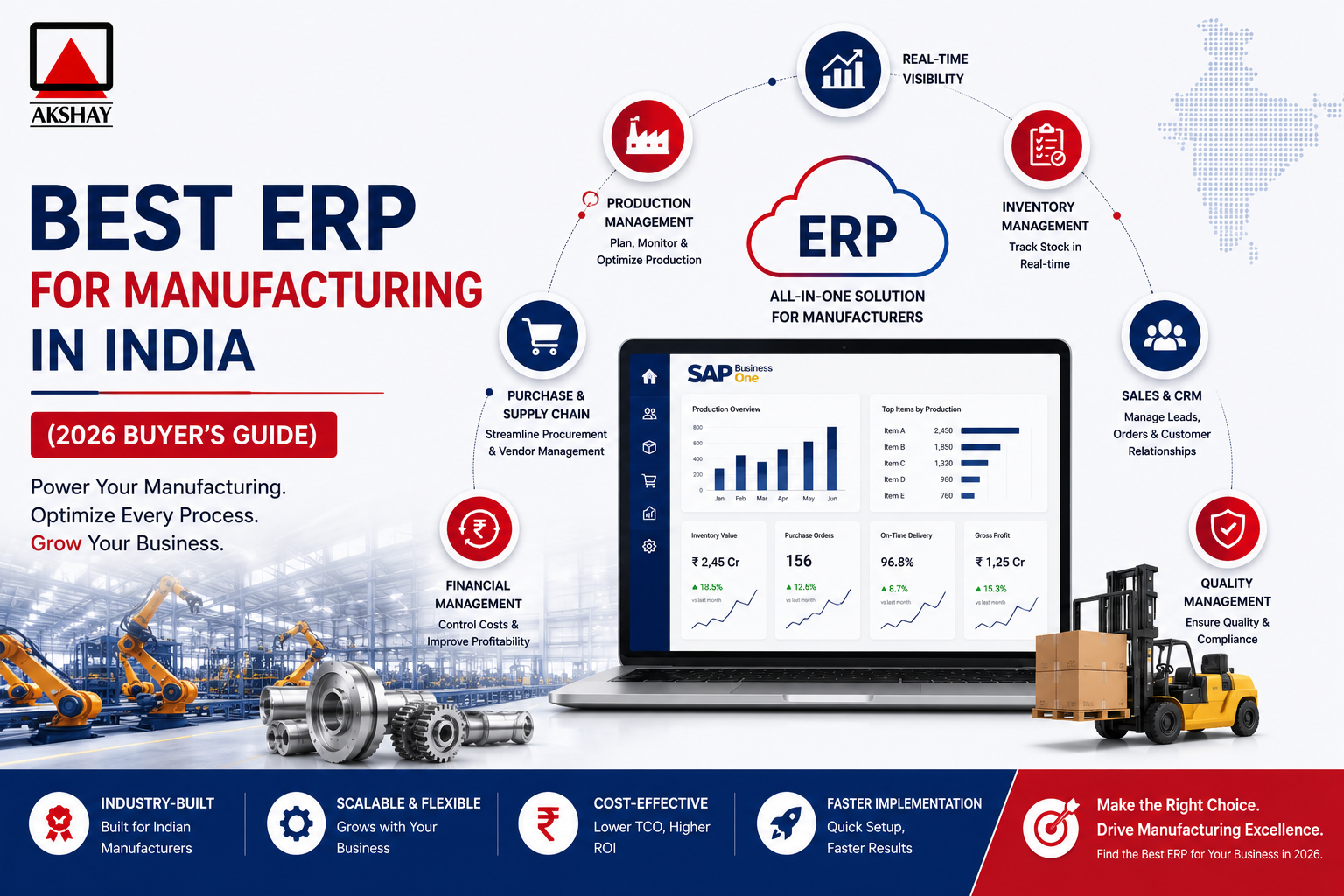
The industrial world in India is changing fast. As we head into 2026, companies need to use digital tools to stay ahead. They must integrate well to manage complex supply chains and schedules.
Choosing the best erp for manufacturing in india is key for business leaders. A clear plan helps you pick the best ERP for your growth. This guide will help you find the best ERP options today.
By focusing on growth and following local rules, you can make your work flow better. Investing in good technology is now a must for success in India. Let’s see how these systems help manufacturing companies succeed for years to come.
Key Takeaways
- Digital transformation is essential for staying competitive in the current market.
- Scalable software solutions help businesses manage complex supply chain demands.
- Local compliance features are vital for operational success within the region.
- Strategic planning ensures that technology investments align with long-term growth.
- Modern systems reduce waste and improve overall production efficiency.
Understanding the Manufacturing ERP Landscape in India
Modern factories in India are moving to smarter, data-driven models. This change is key for staying ahead in the global market. The growth of industrial digitalization india is changing how local businesses work.
Current Trends in Indian Industrial Digitalization
The manufacturing sector is adopting Industry 4.0 tech to get better. Companies are using IoT sensors and automated machines to watch production. This change helps make better decisions with real-time data, not guesses.
Government efforts have also pushed for more digital use. Manufacturers are leaving old systems for cloud-based ones. These new tools help follow rules and make operations clearer.
The Role of ERP in Scaling Manufacturing Operations
As small shops grow into big plants, managing gets harder. A strong manufacturing erp software is essential for this growth. It helps track inventory, labor, and money all in one place.
Scaling up means handling more data fast. Automation is key to cut down on mistakes in tasks like buying and planning. With all info in one spot, leaders can quickly adapt to market shifts.
The right software is a growth driver. It makes sure all parts of the business work together. Investing in top-notch manufacturing erp software is smart for any company aiming to lead in industrial digitalization india.
Assessing Your Manufacturing Business Requirements
Starting digital transformation in Indian manufacturing needs a clear plan. First, do a deep check of your current ways of working. This step makes sure the tech you pick fits your production goals well.
Identifying Operational Bottlenecks
To really improve your manufacturing, find out where it slows down. Many factories in India face problems like manual data entry or bad communication between teams. By finding these manufacturing operational bottlenecks, you can choose tech that fixes your biggest daily issues.
Look for issues like bad inventory tracking or slow shop floor reports. Spotting these problems early helps you pick an ERP system that fixes them. This way, you avoid spending on features that don’t help your business.
Defining Scalability Needs for Future Growth
Your business will grow, and your tech needs to keep up. Focus on manufacturing scalability so your system can handle more work or new products without big changes. Think about if the software works well with more locations in India.
Also, see how easy it is to add new machines or IoT sensors. A good system lets you add more features as your factory grows. This planning saves money and ensures success in the long run.
Budgeting for Total Cost of Ownership
Don’t just look at the first cost of the software. The Total Cost of Ownership (TCO) includes many ongoing costs that are key for a good budget. Knowing the full cost of the software helps avoid surprises later.
When making your budget, remember to include these extra costs:
- Implementation and customization fees for making the software fit your factory.
- Ongoing maintenance and support to keep your system up to date.
- Comprehensive staff training to help your team use the new tools well.
- Data migration costs for moving old data to the new system.
By thinking about these costs early, you get a clearer financial picture of your investment. This clarity helps you get the resources needed for a smooth and successful setup.
Key Features to Look for in the Best ERP for Manufacturing in India
To stay ahead in India, manufacturers need certain tech in their ERP systems. The right software is key for manufacturing process optimization. It helps make complex workflows smoother and cuts down on waste. By focusing on these features, your digital setup will support growth and excellence.
Production Planning and Scheduling Capabilities
Good production planning is essential for any factory’s success. A strong ERP should have tools to match machine and labor needs. Precision in scheduling means using resources well, avoiding costly downtime.
Inventory Management and Supply Chain Visibility
Keeping stock levels right is key to meeting demand without spending too much. Supply chain visibility lets managers track goods in real-time. This helps avoid risks from supplier delays or market changes.
Quality Control and Compliance Tracking
Indian makers face tough quality standards and rules. Your ERP should track quality at every production step. Consistent compliance keeps your brand good and makes audits easier.
Real-Time Shop Floor Data Collection
Modern shop floor management needs data from machines and workers right away. With IoT sensors, your ERP can update production and equipment health instantly. This helps leaders make quick decisions when factory floor issues pop up.
| Feature Category | Primary Benefit | Impact on Efficiency |
|---|---|---|
| Production Scheduling | Resource Balancing | High |
| Supply Chain Visibility | Inventory Accuracy | Very High |
| Quality Control | Regulatory Compliance | Medium |
| Shop Floor Management | Real-Time Monitoring | High |
Evaluating Cloud-Based Versus On-Premise Deployment Models
Modern manufacturers face a big choice. They can pick the cloud’s flexibility or the control of on-premise systems. This choice affects your factory’s future and digital growth. Knowing the differences helps make sure your investment meets your factory’s needs.
Benefits of SaaS ERP for Small and Medium Enterprises
Cloud-based erp benefits include lower costs and faster setup. With a subscription model, you skip the big costs of servers and IT. This is great for erp for small business owners who need to watch their money while growing.
Agility is a big plus. You can grow your licenses and storage easily. Plus, updates happen automatically, so your team always has the latest.
Security Considerations for On-Premise Infrastructure
Big manufacturers might choose on-premise for control over data. It keeps your ERP in your own space, which is key for strict rules. But, you need a strong IT team to keep it safe.
Think about all costs, like power and cooling for your servers. On-premise systems work well but need a lot of tech help to stay safe.
Hybrid Deployment Options for Large-Scale Factories
Big factories might use a mix of cloud and on-premise. This keeps data safe and uses cloud for supply chain info. It’s a smart way to get fast insights without losing control.
| Feature | Cloud-Based (SaaS) | On-Premise |
|---|---|---|
| Initial Cost | Low (Subscription) | High (Capital) |
| Maintenance | Vendor Managed | Internal IT Team |
| Scalability | High/Instant | Limited by Hardware |
| Best For | erp for small business | Large Enterprises |
Choosing the right path is all about your current setup and plans for the future. Careful planning helps make sure your choice supports your success for years.
Analyzing Compliance with Indian Tax Regulations and GST
For any manufacturing business in India, following GST rules is key. It’s not just a must, but a strategic advantage. A good gst compliance erp keeps your financial data right and meets GST’s changing needs. This way, companies can avoid big fines and focus on making things.
Automating GST Filing and Reconciliation
Manual tax filing can lead to mistakes, causing audits or financial issues. Modern systems make reconciliation smooth by matching data automatically. This real-time visibility lets finance teams spot and fix errors before it’s too late.
Using a strong gst compliance erp makes life easier for your accounting team. When the software does the hard work, your team can focus on financial health. This makes your operations more efficient and transparent.
Handling E-Invoicing and E-Way Bill Integration
Going digital means connecting smoothly with government portals is a must for manufacturers. Top-notch e-invoicing software india offers direct API integration. This lets you create IRNs and e-way bills right from your dashboard, saving time.
Automating these tasks means every invoice meets government standards. Reliability is key for logistics and supply chain. Automated systems keep a digital trail, making compliance reports easier.
Multi-Currency and Multi-Location Financial Reporting
Manufacturing units often span multiple states or trade internationally. They need advanced financial reporting tools. Your ERP should handle consolidated reports for different tax areas and currencies. This is essential for a clear view of your total financial performance across all locations.
| Feature | Manual Process | Automated ERP |
|---|---|---|
| Data Entry | High Error Risk | Automated/Validated |
| GST Reconciliation | Time-Consuming | Real-Time Sync |
| E-Way Bill Generation | Portal Dependent | Direct Integration |
| Reporting Speed | Delayed | Instant Access |
Top ERP Software Solutions for Indian Manufacturers
Finding the best ERP for manufacturing in India needs a clear plan. The market has big names and local options for complex needs. The right choice helps your digital change meet your goals.
SAP S/4HANA for Large-Scale Manufacturing
SAP S/4HANA is top for big production. It uses smart tech to handle big data fast. It gives unmatched visibility in global supply chains, perfect for big, complex operations.
Oracle NetSuite for Mid-Market Growth
Oracle NetSuite is great for growing mid-market companies. It’s cloud-based and flexible. It helps with finance and inventory, and grows with your business.
Microsoft Dynamics 365 for Integrated Business Processes
Microsoft Dynamics 365 is adaptable for big manufacturing needs. It works well with office tools and AI. It makes data flow smoothly between sales, production, and customer service.
TallyPrime for Small-Scale Manufacturing Units
TallyPrime is easy for small business owners in India. It makes complex tasks simple without big IT needs. It’s popular for its ease of use and local tax compliance.
| Solution | Primary Focus | Deployment |
|---|---|---|
| SAP S/4HANA | Large Enterprises | Cloud/On-Premise |
| Oracle NetSuite | Mid-Market | Cloud |
| Microsoft Dynamics | Integrated Growth | Cloud/Hybrid |
| TallyPrime | Small Units | On-Premise |
Step-by-Step Process for Selecting Your ERP Vendor
Choosing an ERP partner is a big deal. It needs careful planning and clear analysis. A good erp implementation strategy is key to your success. By following a set path, you avoid risks and make sure the solution fits your needs.
Drafting a Request for Proposal
The first step is to make a detailed Request for Proposal (RFP). This should list what you need, like tracking inventory and following GST rules. Being clear helps vendors give accurate quotes and timelines.
Also, mention your tech needs and what you want to integrate. When vendors know your problems, they can offer better solutions. This step helps avoid misunderstandings later.
Conducting Targeted Software Demonstrations
Generic demos don’t show how software works in real life. You need demos that mimic your factory’s tasks, like managing stock or handling order changes. Seeing it in action with your data is the best way to understand it.
Check how the software handles reports and tax workflows. A good erp implementation strategy makes complex tasks easy. Make sure your team who will use it daily is there to give feedback.
Verifying Vendor Support and Local Presence
Good support is essential in choosing an ERP vendor. You need a partner with a strong presence in India for quick help. Being close is important for on-site help or urgent fixes.
Look at the vendor’s history with updates for Indian laws. A vendor with a local team knows the market better. Use the table below to compare vendors based on important services.
| Evaluation Criteria | Local Support Capability | Implementation Speed | Regulatory Compliance |
|---|---|---|---|
| Tier 1 Global Vendor | High (Regional Offices) | Moderate | Excellent (GST Ready) |
| Mid-Market Specialist | Very High (Dedicated) | Fast | Excellent (Localized) |
| Local Boutique Firm | Maximum (On-site) | Very Fast | Good (Customized) |
| Cloud-Only Provider | Moderate (Remote) | Immediate | Good (Automated) |
Managing Data Migration and System Integration
Data integrity and system connectivity are key to a top-notch manufacturing setup. Moving to a new platform needs a careful plan to keep your data right and useful. Precision here stops costly downtime and errors.
Cleaning Legacy Data Before Transition
First, check your old databases before starting the erp data migration. Many Indian makers have old or extra data that can mess up a new system. Getting rid of duplicates and fixing formatting makes your new ERP work well from the start.
It’s also important to standardize product codes and vendor lists. Cleaning your old data makes a clean foundation for better analytics and reports. This step lowers the chance of data problems when moving to your new software.
Integrating ERP with IoT and Machine Sensors
Today’s manufacturing needs to see what’s happening on the shop floor in real time. Using erp integration iot lets machines talk to your management software. This setup helps with predictive maintenance, warning you of possible equipment failures early.
By getting data from sensors, you learn more about production and energy use. This real-time monitoring helps managers in India make better decisions and cut down on waste. Adding these smart devices makes your factory a connected digital world.
Ensuring Seamless API Connectivity with Third-Party Tools
Your ERP should be the center of your business software. Strong APIs connect your ERP to other software like accounting and CRM. This seamless connectivity cuts down on manual work and errors.
Make sure the vendor supports open API standards. This lets your system grow and add new tech easily. A well-connected system gives you a unified view of your whole supply chain.
| Integration Type | Primary Benefit | Technical Requirement |
|---|---|---|
| Legacy Data Migration | Data Accuracy | Database Cleansing |
| IoT Sensor Link | Predictive Maintenance | MQTT/OPC-UA Protocols |
| Third-Party APIs | Process Automation | RESTful API Support |
| Cloud Sync | Remote Accessibility | Secure Webhooks |
Training Your Workforce for Successful ERP Adoption
Digital transformation in Indian manufacturing needs a confident workforce. The technical setup is key, but people matter most. Investing in your people is as vital as choosing the right software.
Developing a Change Management Strategy
People naturally resist new technology. A strong change management for erp plan helps by clearly sharing the benefits. Explain how the new system makes tasks easier, not harder.
Leaders should involve floor managers and operators in planning. When employees are heard, they’re more likely to accept change. This teamwork encourages innovation on the factory floor.
Creating Role-Based Training Modules
Generic training often fails because it doesn’t meet specific department needs. Create erp training modules for procurement, production, and finance. This ensures each user knows how the software fits their job.
Interactive workshops and hands-on simulations are best for learning technical skills. Practical experience in a safe environment reduces anxiety. Regular practice sessions help make new habits stick before the system goes live.
Establishing Internal Super-Users for Ongoing Support
Even with great training, questions will arise once the system is live. Training internal super-users creates a reliable support network. They help their peers right away.
Super-users need advanced training for troubleshooting and system adjustments. This lets your team solve small problems without waiting for outside help. Building internal expertise ensures your operations stay smooth in the long run.
Common Pitfalls to Avoid During ERP Implementation
Even the best technology can fail if your deployment strategy lacks foresight. Many Indian manufacturers see software adoption as a simple task. But, it’s really a big change in how you do business. A strong erp implementation strategy is key to handle today’s complex industrial world.
Underestimating Customization Requirements
Many make the mistake of thinking “out-of-the-box” software fits every unique workflow. While it covers many needs, some processes need special adjustments. Not seeing these needs can cause big budget problems and delays.
Do a detailed gap analysis before you sign anything. Know what features you really need and what you can live without. Too much customization can make updates hard and costly.
Ignoring User Experience and Interface Design
The best system is useless if your staff can’t use it. Many focus on the backend data, forgetting about the user interface. If it’s hard to use, people will struggle or find ways to avoid it.
Make sure to train your staff well and listen to their feedback. A clean, easy-to-use design helps them work faster and more accurately. When users like the interface, they’re more likely to use it all over the company.
Failing to Plan for Post-Go-Live Maintenance
The work doesn’t stop after you launch the system. Many think the launch is the end, but it’s just the start. Having a good erp maintenance tips plan keeps your software safe and efficient as your business grows.
- Schedule regular software updates to patch security vulnerabilities.
- Perform routine data audits to maintain high information accuracy.
- Provide continuous support channels for staff to report technical issues.
- Monitor system performance to identify bottlenecks before they disrupt production.
By planning for long-term support, you protect your investment and ensure the system grows with your goals. A proactive maintenance plan prevents expensive downtime and keeps your operations smooth for years.
Conclusion
Choosing the best ERP for manufacturing in India is a big step towards lasting success. It needs a clear plan and a commitment to update your business.
Digital growth is ongoing, not a one-time goal. Focus on growing and making smart choices with data. This way, your factory can easily meet new market needs.
Good technology helps your team work better. The right ERP for manufacturing in India is key for lasting success in a tough global market.
Planning to implement SAP Business One for your manufacturing business? Learn about the SAP Business One Implementation Cost & Timeline in India, including the key factors that affect implementation time and investment.
Make sure to check what you really need before picking a system. Your choice today will help you innovate and grow in the future. Begin your digital change now to make your factory strong and efficient.