
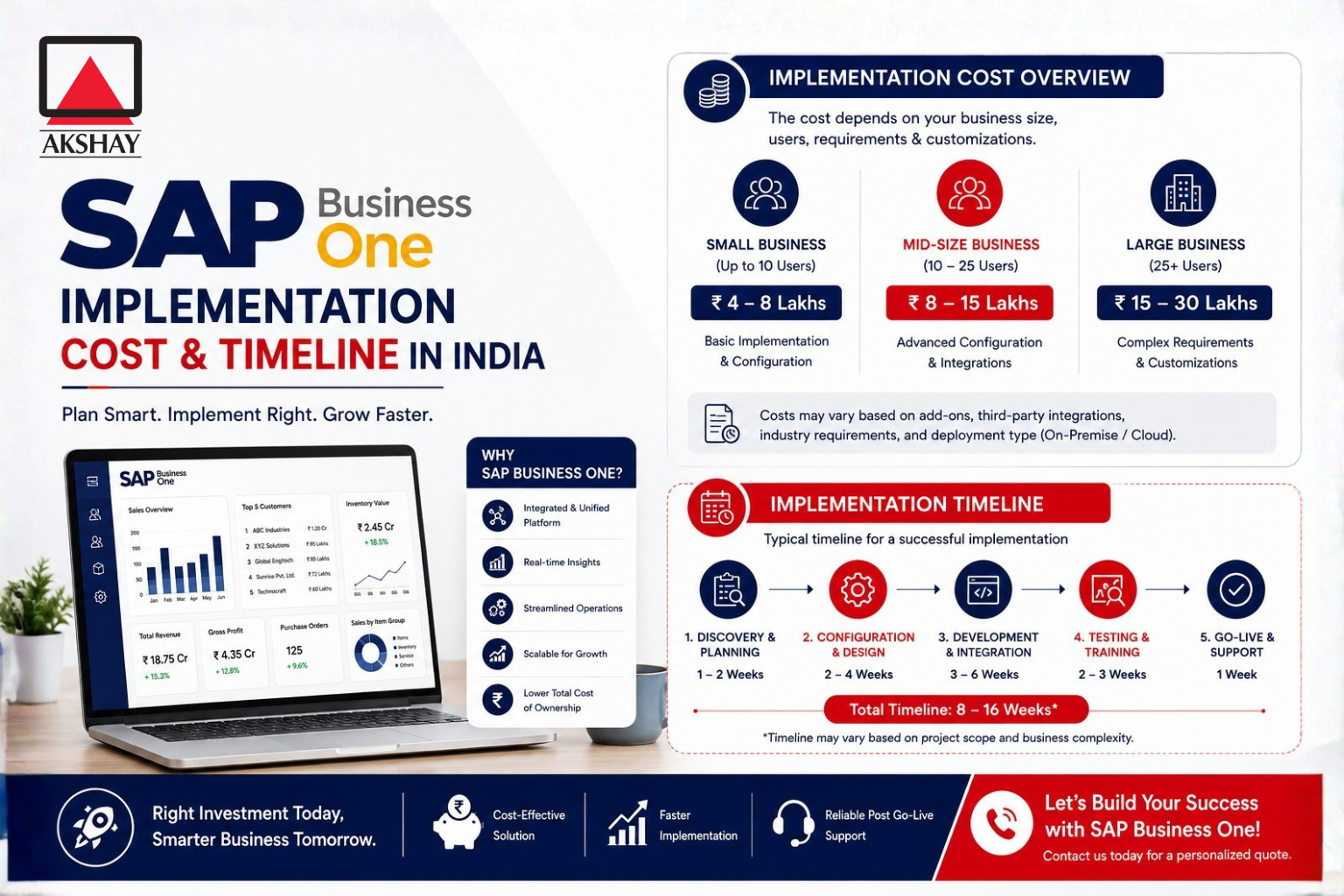
Planning a digital transformation needs a clear vision of your financial and operational goals. For many growing firms, managing an ERP deployment in India is a big step in scaling efficiency.
Knowing the sap business one implementation cost is key to keeping your project on track. Budgeting right prevents surprises and makes sure your resources match your growth plans.
Also, setting a realistic SAP implementation timeline is critical. This schedule is the base of your journey, keeping teams on track. By mastering these two areas, you can handle the local market’s complexities with confidence and precision.
Key Takeaways
- Budgeting accurately is vital for project success.
- A clear schedule prevents costly operational delays.
- Local market knowledge improves software adoption rates.
- Strategic planning aligns technology with business goals.
- Resource management ensures long-term digital sustainability.
Understanding the SAP Business One Ecosystem in India
Technology has changed how small and medium-sized businesses grow in India. They now use integrated digital platforms for real-time visibility. This change is because of the growing complexity of the business world.
Market Adoption of SAP Business One
The need for SME ERP solutions India has grown. Companies want to standardize their processes. They see a unified system as key to staying competitive.
More businesses are moving to cloud-based systems. This makes reliable software even more important. It helps leaders make better decisions and avoid delays. So, the demand for SME ERP solutions India keeps growing fast.
Why Indian SMEs Choose SAP Business One
Indian businesses prefer platforms that are flexible and powerful. They choose SAP Business One because it grows with them. It gives a stable foundation for long-term growth without needing constant updates.
Another reason is SAP’s ability to meet local rules easily. Compliance is a big deal for Indian companies. SAP helps with tax reporting and audits. By choosing SAP, local businesses get world-class support and a wide network of experts.
Breaking Down SAP Business One Implementation Cost
Many Indian businesses find that a structured approach to budgeting prevents unexpected financial hurdles during deployment. A detailed sap business one implementation cost analysis ensures your organization stays financially ready. By identifying these core expenses early, you can align your investment with your long-term growth goals.
Licensing Models and Pricing Structures
Choosing the right financial model is a critical decision for any growing enterprise. Organizations can pick between perpetual licenses, which require a one-time upfront payment, or subscription-based SAP B1 pricing models. These models offer lower initial costs through monthly fees.
Subscription models are popular in India for their flexibility and lower barrier to entry. This approach lets companies scale their user count as they grow without a huge upfront cost.
Infrastructure and Hardware Investment
Your choice of deployment significantly impacts your ERP infrastructure requirements. On-premise solutions require investments in local servers, cooling systems, and dedicated IT staff for data security.
On the other hand, cloud-based deployments shift these costs to recurring service fees. This often reduces the burden on internal IT teams. It also provides enhanced accessibility for remote teams across different Indian states.
Professional Services and Consulting Fees
Expert guidance is essential to configure the software to your specific business workflows. SAP Business One consulting fees cover project management, system configuration, and technical integration with existing tools.
These professional services ensure the software meets local tax regulations and industry-specific needs. Investing in experienced consultants often prevents costly rework. It ensures a smoother transition for your staff.
Training and Change Management Expenses
High user adoption rates are the true measure of a successful deployment. Allocating a portion of your budget to ERP training and change management is vital. It helps employees adapt to new digital processes.
Effective training programs reduce resistance and increase productivity across all departments. When your team feels confident using the new system, the return on your investment grows significantly.
| Cost Category | Primary Driver | Budget Impact |
|---|---|---|
| Licensing | User Count | High (Upfront or Monthly) |
| Infrastructure | Deployment Type | Medium (Hardware vs. Cloud) |
| Consulting | Customization Level | High (Service Hours) |
| Training | User Base Size | Low to Medium |
Factors Influencing the Total Cost of Ownership
Knowing the cost of SAP Business One is more than the first payment. In India, the total cost of ownership changes based on your needs and project size. Knowing these early helps you plan your budget and avoid surprises.
Complexity of Business Processes
The complexity of your business affects the final cost. If your business has unique needs, setting up the system is harder. Streamlining your processes before starting can save a lot of money.
Data Migration and Legacy System Integration
Switching data from old systems to new ones is key. Good ERP data migration strategies keep your history safe and easy to find. Bad planning can cause delays and extra costs.
- Cleaning legacy data to remove duplicates.
- Mapping fields between old systems and SAP.
- Validating data integrity post-migration.
Customization and Add-on Requirements
SAP Business One has many features, but some businesses need special changes. SAP customization costs can grow fast if not planned well. Try to use standard features to save money.
Geographic Scope and Multi-Location Rollouts
Expanding your ERP to different places adds complexity. A good SAP multi-location rollout needs careful planning for local laws and support. Planning for these variables helps keep your operations unified and costs down.
Typical Implementation Timeline for Indian Businesses
Planning a successful ERP deployment in India needs a clear plan. Every company is different, but a structured schedule helps everyone work together. This way, companies can avoid delays and stay on track.
Standard Implementation Duration Estimates
Small to mid-sized businesses in India usually take three to nine months for a SAP implementation timeline. The time needed depends on the number of modules and the business’s needs. Smaller companies with simple processes might finish faster.
Bigger companies or those needing complex setups might take longer. Seeing this time as an investment in efficiency is key. Good planning at the start helps avoid project slowdowns.
Variables That Extend the Project Schedule
Many things can make your project take longer than expected. Scope creep is a big one, when new needs come up after starting. Also, moving data from old systems can be tricky and slow things down.
Having teams in different places in India can also slow things down. Early planning and clear communication can help keep things moving.
Balancing Speed with Quality Assurance
It’s tempting to want to roll out the ERP fast. But, making sure it’s right is more important. Rushing can lead to problems later on. A good balance means the system works well and fits your business perfectly.
Good testing finds and fixes problems before they cause trouble. This way, your team can adjust smoothly. Here’s a table showing how long different parts of the project usually take.
| Project Phase | Estimated Duration | Primary Focus |
|---|---|---|
| Requirement Analysis | 2 – 4 Weeks | Defining business goals |
| System Configuration | 8 – 12 Weeks | Customizing SAP modules |
| Testing & Validation | 4 – 6 Weeks | Ensuring system stability |
| Go-Live & Support | 2 – 4 Weeks | User training and handover |
Phases of the SAP Business One Deployment Lifecycle
A successful ERP deployment needs a clear plan. This plan guides your team from start to finish. By breaking down the ERP implementation phases into steps, businesses in India can lower risks. This journey makes sure every technical need meets your goals.
Project Preparation and Requirement Gathering
The first step is to set the project’s scope and find key stakeholders. Teams need to write down current business problems. This ensures the new system meets specific needs. Clear communication at this stage avoids misunderstandings later.
Blueprint Design and Solution Architecture
After setting requirements, the team makes a detailed blueprint. This blueprint is the master plan for your software architecture. It shows how the system will handle daily tasks and data.
System Realization and Configuration
Consultants then set up the software according to the design. Developers create needed integrations and customize features for Indian businesses. This is when the ERP implementation phases come to life.
User Acceptance Testing and Final Preparation
Before launch, end-users test the system. This phase checks if all modules work right under real conditions. Thorough testing reduces errors and boosts staff confidence.
Go-Live and Post-Implementation Support
The final step is moving the system to live production. Reliable SAP go-live support is key to solve early technical issues. Ongoing help keeps your team productive while they get used to the new system.
| Phase | Primary Objective | Key Deliverable | Team Focus |
|---|---|---|---|
| Preparation | Define project scope | Project Charter | Management |
| Blueprint | Map business processes | Design Document | Consultants |
| Realization | Configure system | Working Prototype | Technical Team |
| Testing | Validate performance | Sign-off Report | End Users |
| Go-Live | Launch operations | Live System | Support Staff |
Selecting the Right Implementation Partner in India
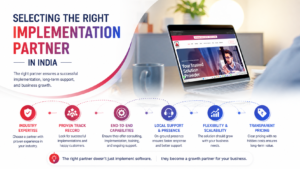
Finding a good partner in India needs careful thought. You must check their technical and operational skills. The right team is key to a successful digital change.
Use strict SAP partner selection criteria to find a partner that adds value over time.
Evaluating Partner Expertise and Industry Experience
A great partner knows the challenges of Indian businesses well. Check if they have experience in your field, like manufacturing or retail. Industry-specific expertise means faster setup and fewer mistakes.
Look for SAP Gold or Silver status. It shows they’re very good. Check their technical skills too. This reduces the chance of project failure.
Assessing Support Capabilities and Local Presence
India is big, so a local partner is important for quick help. A nearby office means on-site assistance when needed. This keeps your project on track.
Check their support setup, like help-desk hours and response times. A good partner offers both remote and local support. They should also handle maintenance after launch.
Reviewing Client References and Case Studies
Success stories from past projects are very telling. Ask for case studies that show how they solved big problems. Talking to past clients gives honest insights into their work style.
Use this table to compare vendors:
| Evaluation Metric | Tier 1 Partner | Tier 2 Partner |
|---|---|---|
| Industry Experience | High (10+ Years) | Moderate (3-5 Years) |
| Local Support | 24/7 On-site/Remote | Business Hours Only |
| Project Success Rate | 95% and Above | 80% to 90% |
| Certification Level | Gold Partner | Silver/Authorized |
By looking at these points, you can pick a partner that meets your goals. The right SAP partner selection criteria safeguards your investment and boosts growth.
Managing Budget Overruns and Schedule Delays
To keep your SAP deployment on track, you need careful planning and constant watchfulness. Many find managing ERP budget overruns a big challenge. This happens when project boundaries are not set clearly from the start. By focusing on structure and accountability, your business can avoid financial strain.
Establishing Clear Project Scope and Objectives
A clear project scope is like a roadmap for your team. Without clear goals, “scope creep” can happen. This means adding extra features without thinking about the budget or timeline. Clearly documenting every requirement helps everyone know what the system will do.
Focus on core business processes first. This keeps the project on track. It prevents unnecessary complexity that can increase costs.
Effective Communication and Stakeholder Management
Being open is key to a successful implementation. Regular meetings keep everyone updated on the project’s progress. When stakeholders are informed, they are more likely to support needed changes.
Strong leadership is important for talking between technical teams and business users. Open dialogue helps address concerns early. Consistent communication builds a culture of shared responsibility.
Mitigating Risks During the Deployment Process
Proactive risk management is vital to stay within budget. Working with SAP project management India experts helps. They have the experience to spot and solve local market challenges.
Here are some strategies to keep your project on track:
- Conduct regular audits to check spending against the budget.
- Have a change control board to review all modification requests.
- Identify technical risks early, like data migration or integration issues.
- Keep a contingency fund for unexpected needs without disrupting the schedule.
By using these strategies, your company can have a smoother transition. Taking control early helps focus on the long-term benefits of your digital investment.
Cloud Versus On-Premise Deployment Considerations
The move to digital transformation in India makes the cloud vs on-premise ERP debate key for growing businesses. Choosing the right infrastructure is a big decision. It affects how well you can adapt to changes. Each option has its own benefits, based on your budget and growth plans.
Comparing Upfront Costs and Subscription Models
Looking at SAP B1 pricing models, you see two main types of costs. On-premise needs a big upfront payment for hardware and software. This is good for companies that like to own their systems and have the money for it.
Cloud options, on the other hand, cost less upfront. They let you start using the system without buying expensive servers. This is better for small and medium-sized businesses.
Scalability and Maintenance Requirements
SAP Business One scalability is great for companies growing fast in India. Cloud systems make it easy to add more users or features as you grow. You don’t have to worry about running out of space or needing new hardware.
On-premise systems give you control but need a team to handle maintenance. You’ll need to take care of backups, security updates, and hardware upgrades yourself. This means you have full control but also more work.
Security and Data Sovereignty in the Indian Context
Data security is very important for Indian companies, with new rules coming in. Cloud providers have strong security that’s hard to match in a small office. They also have local data centers to meet Indian data rules.
On-premise systems offer security by controlling the server. But, you need to spend a lot on security measures to keep up with cloud data centers. Here’s a table to help you choose.
| Feature | On-Premise | Cloud |
|---|---|---|
| Initial Investment | High (Capital Expenditure) | Low (Operating Expenditure) |
| Maintenance | Managed by Internal IT | Managed by Provider |
| Scalability | Limited by Hardware | Highly Flexible |
| Data Control | Full Physical Control | Provider Compliance |
Conclusion
For digital transformation to succeed, you need a clear plan and a focus on long-term success. Indian businesses that plan well see big benefits from SAP Business One.
Finding the right partner is key. A good partner makes sure your business needs match the software’s strengths.
Growing sustainably is important. It helps you avoid cutting costs too much. Good deployment practices protect your data and make workflows smoother for years.
Managing risks well keeps your project on track and on budget. Good communication among team members prevents delays and keeps everyone working together.
Using this ERP solution can give you a big edge over competitors. Start your journey with confidence by focusing on these important points.
Contact certified SAP partners to start your journey. This step sets a strong base for your business’s future success.