
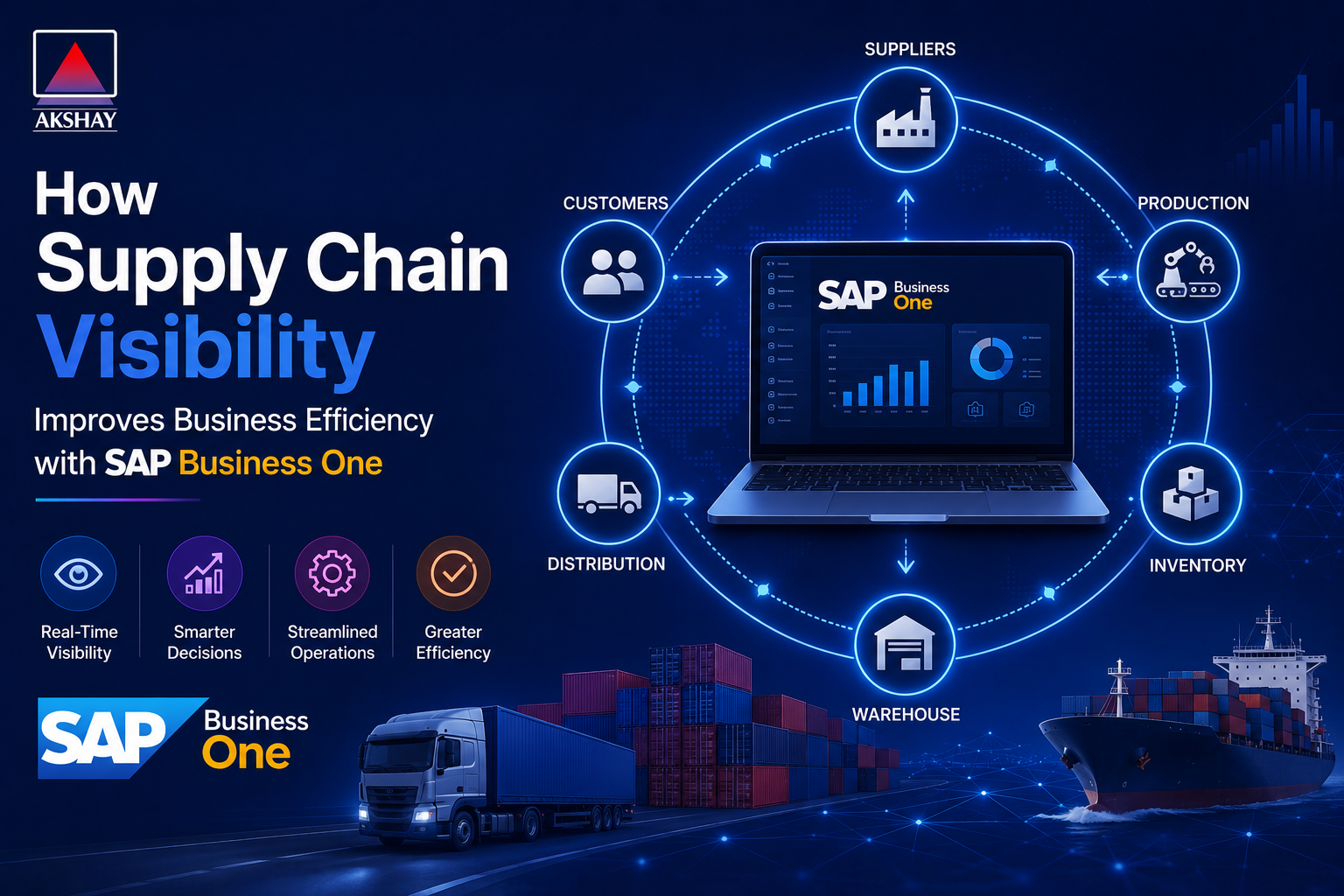
In the fast-paced Indian market, companies face constant pressure to manage complex logistics networks. Achieving true supply chain visibility is no longer just an advantage; it is a necessity for survival. Without clear data, firms struggle to track inventory and meet customer demands on time.
SAP Business One provides a robust foundation for organizations aiming to streamline these operations. By integrating real-time data into a single platform, this software helps leaders make smarter decisions. It transforms how teams handle daily tasks, leading to a significant boost in business efficiency.
Adopting modern tools allows businesses to overcome traditional hurdles that often slow down growth. Akshay Software provides better supply chain visibility, companies can reduce waste and improve their bottom line. Leveraging SAP Business One ensures that your firm remains competitive in an evolving landscape, ultimately driving long-term business efficiency across every department.
Key Takeaways
- Real-time data integration is essential for modern logistics management in India.
- SAP Business One acts as a central hub to simplify complex operational workflows.
- Enhanced oversight helps companies reduce costly errors and inventory bottlenecks.
- Improved transparency directly contributes to higher levels of organizational productivity.
- Strategic technology adoption provides a sustainable competitive edge in the market.
The Current State of Supply Chain Management in India
Supply chain management in India is at a turning point. The economy is growing, but businesses face challenges. They need to stay agile locally and meet global standards.
The Indian market is unique. It has a vast area but a fragmented logistics network.
Challenges Faced by Indian Enterprises
Many local companies use manual documentation and old communication methods. This slows down the distribution process. Infrastructure gaps in remote areas cause unpredictable delivery times and higher costs.
Getting all stakeholders to work together is hard. Without a single system, vendors, warehouses, and distributors work alone. This makes it hard to track inventory or respond to demand changes.
The Growing Need for Digital Transformation
Firms need to focus on digital transformation to stay ahead. Moving from paper to digital systems helps make decisions faster. This is key in today’s fast world.
Using integrated technology gives a clearer view of logistics. It automates tasks, cuts down on mistakes, and lets companies grow strategically. Here’s how old methods compare to new, data-driven ones.
| Operational Metric | Traditional Approach | Digital Transformation |
| Data Entry | Manual/Paper-based | Automated/Real-time |
| Inventory Tracking | Periodic Audits | Live Dashboard Monitoring |
| Vendor Communication | Email/Phone Calls | Integrated Portals |
| Decision Making | Reactive/Intuitive | Predictive/Data-backed |
Adopting these changes helps Indian businesses grow. A good digital transformation plan is key for lasting success and staying strong against market changes.
Understanding Supply Chain Visibility and Its Impact on Efficiency
Supply chain visibility is key for growing in the Indian market. It gives leaders a full view of goods and data flows. This lets businesses turn logistics into a strategic asset.
Defining Visibility in Modern Logistics
Visibility means tracking products from start to end. It helps spot problems before they cause delays. True visibility means everyone has the same data, keeping logistics efficient.
Digital tools help track the supply chain. This lets teams make smart decisions. They can plan for delays and keep up with demand.
How Transparency Drives Operational Cost Reduction
Transparency cuts operational costs by avoiding waste. Knowing where inventory is helps avoid overstocking. This saves money and keeps capital working.
The table below shows the difference between old ways and new visibility:
| Feature | Traditional Management | Transparent Visibility |
| Data Access | Siloed and Delayed | Real-time and Centralized |
| Inventory Control | Reactive and Manual | Predictive and Automated |
| Cost Management | High Waste and Redundancy | Optimized and Lean |
| Decision Making | Based on Intuition | Based on Accurate Analytics |
Using these insights, managers can cut costs and improve efficiency. Investing in supply chain visibility makes a business smarter and more resilient. It prepares for growth with advanced systems.
Preparing Your Business for SAP Business One Implementation
Starting to use SAP Business One is more than just a tech update. It’s a big change for your business. Getting ready well means less downtime and a smooth transition for your team.
Assessing Current Infrastructure and Data Readiness
First, check your current setup. Data hygiene is key. Bad data can mess up the new system’s insights.
Here’s how to get your data ready for SAP Business One:
- Check your databases for duplicates or old info.
- Make sure your servers can handle the new system.
- Use the same names for items and vendors everywhere.
Defining Key Objectives for Supply Chain Integration
Having clear goals helps keep your project on track. SAP Business One can really help your supply chain. Know what problems you need to solve first.
Focus on these main goals for your strategy:
- Lower inventory costs by selling more.
- Ship orders faster to please customers.
- Make buying and selling clearer to avoid delays.
Selecting the Right Implementation Partner in India
Finding a partner who knows India well is key. They should get local rules and challenges. A good SAP Business One expert will help your business grow.
Look for a partner with these qualities:
- Experience in your industry in India.
- A team ready to help anytime.
- A plan for moving data and training staff.
Choosing the right partner means SAP Business One will help your business grow. Good planning now avoids problems later.
Step-by-Step Guide to Achieving Supply Chain Visibility with SAP Business One
Indian businesses need a clear plan to use their logistics data well. By following a set of steps, they can improve their operations and stay ahead in the market. This guide shows how to set up supply chain visibility with strong ERP tools.
Step 1: Configuring Master Data for Accurate Tracking
Good data is key for digital success. Make sure all items, vendors, and places are right in SAP Business One. This keeps your network consistent.
- Standardize item descriptions and SKU naming conventions.
- Define precise units of measure for all inventory items.
- Assign unique identifiers to every warehouse and storage bin.
Step 2: Integrating Warehouse Management Modules
Good warehouse management is vital for high service levels. By adding special modules, you can watch stock from start to finish.
This setup lets you track inventory levels in real-time across sites. It cuts down on errors and guesswork from manual counts.
Step 3: Setting Up Real-Time Dashboards and Alerts
Being able to act fast on data is key. SAP Business One has tools to show your supply chain’s performance on custom dashboards.
Set up alerts for important events like low stock or late shipments. These alerts keep your team informed and ready to fix issues before they hurt your profits.
Step 4: Automating Documentation and Compliance Workflows
Logistics in India can be slow due to paperwork. Automating your paperwork keeps your supply chain visible and follows rules.
Digitizing orders, invoices, and manifests makes tracking easy. This real-time tracking of documents speeds up customs and eases your team’s work.
| Process Phase | Primary Benefit | Key Tool |
| Data Setup | Data Integrity | Master Data Module |
| Warehouse Ops | Inventory Accuracy | WMS Integration |
| Monitoring | Proactive Decisions | Custom Dashboards |
Leveraging Real-Time Data for Inventory Optimization
Businesses in India are changing how they work by using live inventory data. This helps them keep up with market changes. By using real-time data, companies can manage their inventory better and stay ahead.
This digital change is key for long-term success in a fast economy.
Reducing Carrying Costs Through Demand Forecasting
Having too much stock wastes money, while not enough means lost sales. SAP Business One uses past sales and trends to forecast demand. This helps keep stock levels just right, avoiding too much or too little.
With accurate forecasts, businesses can cut down on carrying costs. Strategic planning gets easier with clear insights on fast-selling and slow-moving items. This way, your money works for your growth.
Managing Multi-Location Inventory Across India
Managing stock across India’s vast area is a big challenge. SAP Business One offers a single view of inventory across all locations. This real-time visibility makes managing stock easier.
For effective supply chain optimization, the right products must reach the right places on time. Our system helps manage stock transfers between branches. This ensures local demand is met efficiently.
Here are the main benefits of centralized tracking:
- Improved accuracy in stock counts across all regional warehouses.
- Reduced transit times for inter-branch inventory transfers.
- Enhanced inventory management through automated replenishment alerts.
- Better alignment between regional supply and local consumer demand.
Enhancing Supplier Collaboration and Procurement Processes
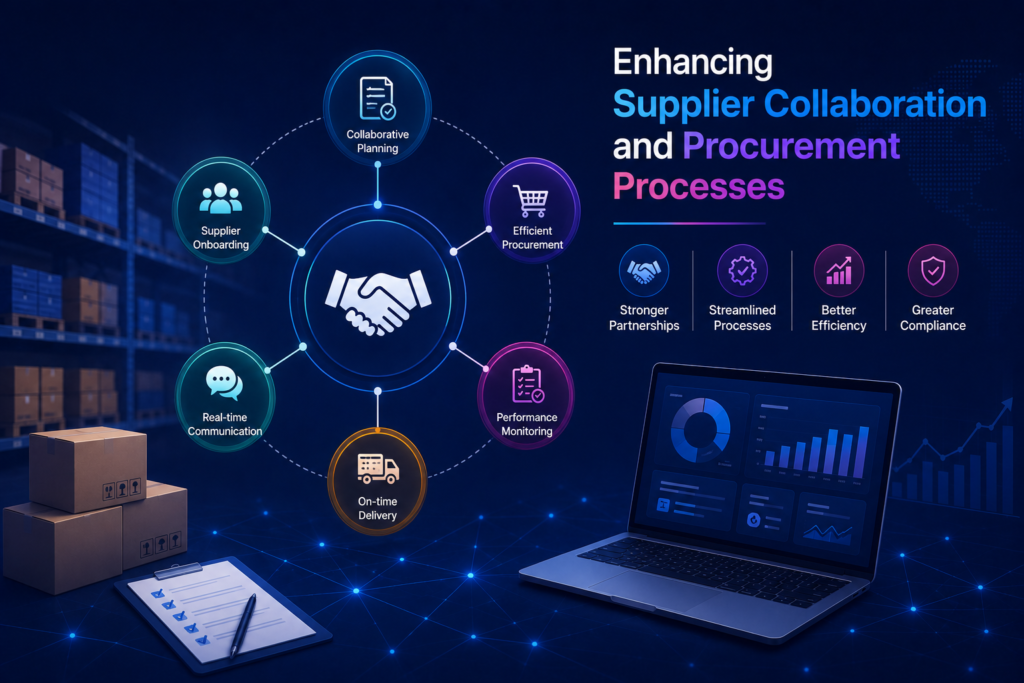
Building a strong supply chain in India is more than just being efficient inside. It needs a strong digital link with outside partners. By focusing on vendor collaboration, companies can keep everyone on the same page about orders and delivery times. This teamwork avoids expensive delays and helps everyone grow in the long run.
Streamlining Vendor Communication via SAP Portals
SAP portals are a central place that connects your company with suppliers. Instead of using emails or phone calls, teams can see real-time data on inventory and shipments. This clear view is key for working well together, no matter where you are in India.
When suppliers can log into a secure portal, they can quickly confirm orders and update shipping info. This makes your procurement team’s job easier and cuts down on mistakes. Your business then gets a competitive edge by acting fast to market changes.
Improving Procurement Accuracy with Automated Purchase Orders
Manual entry is a big source of mistakes in buying things. Using procurement automation lets your system make purchase orders when needed. This means your team can focus on finding the best deals, not just doing the same tasks over and over.
With procurement automation, you can order things much faster. This helps keep the right amount of stock without overbuying or running out. Here’s how things change from old ways to new digital methods.
| Feature | Manual Process | SAP Automated Process |
| Data Entry | High error rate | Zero manual input |
| Communication | Delayed emails | Instant portal updates |
| Order Accuracy | Prone to human error | High precision |
| Processing Time | Days to complete | Minutes to complete |
Mitigating Risks and Managing Disruptions in the Indian Market
Dealing with the Indian market needs a proactive plan for supply chain risk. Companies face many unknowns, like transport delays or changes in what people want. By focusing on logistics efficiency, they can turn threats into small changes in how they work.
Identifying Bottlenecks in the Logistics Network
Seeing what’s holding you back is the first step. In India, things like bad roads and different rules in each state can slow things down. Real-time tracking helps find where things get stuck, like at a busy warehouse or a transit point.
After finding these problems, teams can fix them. They might change where things are sent or how much they have in stock. This keeps your logistics efficiency up, even when things outside your control slow you down. Data-driven insights help leaders make smart choices before small delays turn into big problems.
Implementing Contingency Planning with Predictive Analytics
More companies are using predictive analytics to stay on top of changes. SAP Business One looks at past data and current trends to predict problems. This lets you make strong backup plans to keep your profits safe.
Strategic planning gets better when you can try out different scenarios. This could be a sudden price jump for fuel or a shortage of workers during a busy time. Having a plan ready helps you avoid long stops. Using these tools helps lower supply chain risk and keeps you competitive in the Indian market.
| Strategy Type | Primary Focus | Data Usage | Outcome |
| Reactive | Crisis Response | Historical Only | High Downtime |
| Proactive | Risk Prevention | Real-Time | Operational Stability |
| Predictive | Future Forecasting | Advanced Analytics | Competitive Advantage |
Measuring Success Through Key Performance Indicators
Achieving long-term business efficiency depends on how well you understand your ERP system’s metrics. After setting up the system, focus on getting better and using data to improve. By watching certain benchmarks, you keep your business quick and competitive in India.
Tracking Order Fulfillment Cycles
The order fulfillment cycle is key to checking your logistics health. It shows how long it takes from when a customer orders to when they get it. Speed and reliability are what customers want in today’s fast world.
With SAP Business One, managers can find and fix delays. Shortening these times helps your business by saving money and improving how fast you sell and restock. Keeping an eye on these cycles helps teams fix problems before they get big.
Analyzing Return on Investment Post-Implementation
Figuring out your return on investment (ROI) shows how tech affects your profits. Look at both direct savings and indirect benefits like better staff work and fewer mistakes. This checks if your business efficiency plan is working and if the tech investment was worth it.
To keep a good ROI, check these numbers every quarter. This keeps your business growing with the market. Below is a table with important metrics for tracking your success.
| Performance Metric | Primary Goal | Impact on Efficiency | Target Frequency |
| Order Cycle Time | Reduce lead times | High | Monthly |
| Inventory Accuracy | Minimize stockouts | High | Weekly |
| Cost Per Order | Lower overhead | Medium | Quarterly |
| Return Rate | Improve quality | Medium | Monthly |
The main goal is to always get better. When your team sees how their work affects these important numbers, they’ll work harder to keep your business efficient.
Conclusion
Getting total supply chain visibility is key for any business in India’s fast market. SAP Business One helps turn complex data into easy-to-use insights. Companies that use this digital shift get ahead of those stuck with old ways.
Today’s logistics need to be fast, accurate, and always connected. By linking your warehouse and buying systems, you build a strong base for growth. This change helps you focus on solving problems before they happen, using data.
Starting your journey to better operations means choosing better tech. You know how to make your work flow better and save money. Contact a certified SAP partner to start your journey. Your business needs a smarter, clearer future.