
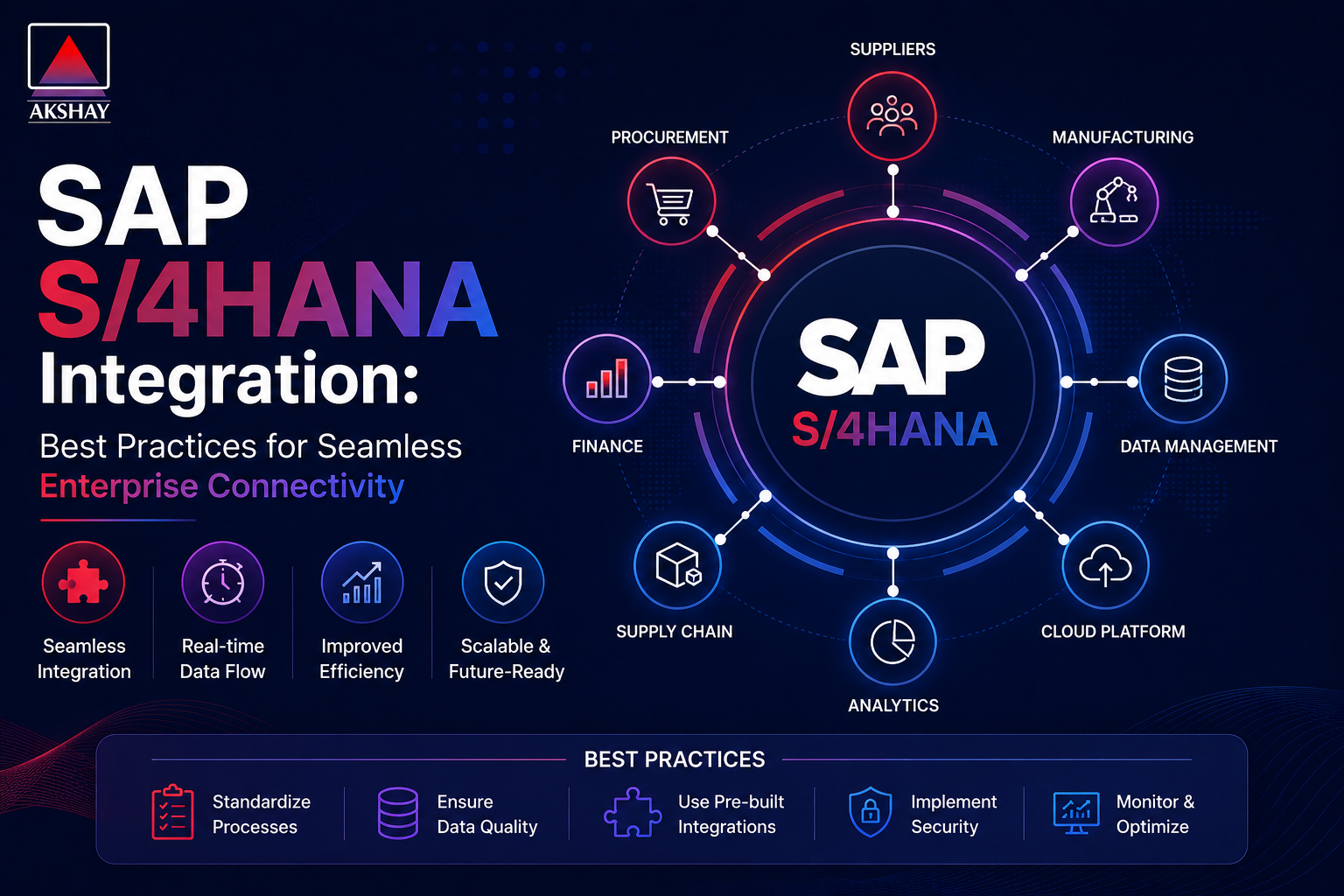
In the fast-changing Indian business world, companies must update their digital setup. Getting a SAP S/4HANA Integration right is key to staying ahead. It’s not just a tech update; it’s a must for staying competitive.
Good enterprise connectivity is the heart of being quick and smart digitally. When data moves well between teams, companies can act fast and wisely. This is key for success in today’s global market.
But moving to smart ERP systems can be tough. Many struggle because of bad planning or no clear plan. With a solid plan, leaders can steer clear of problems and make sure their tech pays off.
Key Takeaways
- Modernizing digital infrastructure is critical for competitiveness in the Indian market.
- Seamless data flow is the foundation of true organizational agility.
- A structured transition strategy helps mitigate risks during ERP implementation.
- Intelligent systems enable faster, data-driven decision-making processes.
- Strategic planning prevents costly errors and ensures long-term operational success.
Strategic Planning for SAP S/4HANA Integration
Organizations in India need to plan carefully for SAP S/4HANA. A good SAP integration strategy is key for success. It helps businesses deal with today’s complex systems.
By linking technical goals with company visions, businesses stay on track. This makes sure their digital transformation goes smoothly.
Defining Business Objectives and Scope
Leaders must know what success means for their company. They should set clear goals that show real value, like better supply chain or faster reports with SAP S/4HANA Integration. Keeping the project scope narrow helps avoid getting off track.
Writing down these goals early helps everyone stay on the same page. Clear documentation is key for the project’s success. It makes sure every tech choice supports the company’s big picture.
Identifying Key Stakeholders and Project Teams
A successful SAP S/4HANA Integration project needs a team with the right mix of skills. You need people who get both the tech and local needs. A team that works together well makes sure the solution works for everyone.
Here are some important roles for your team:
- Executive Sponsors: They guide the project and get resources.
- Functional Leads: They connect business processes with SAP S/4HANA Integration.
- Local Compliance Experts: They make sure everything follows Indian laws.
- Technical Architects: They handle the integration of old systems.
Establishing a Realistic Timeline for Indian Market Requirements
The Indian market has its own challenges, like laws and infrastructure. A realistic timeline must consider these to avoid delays. Rushing can lead to problems that are hard to fix later.
Make sure to include time for testing and checking in your plan. This digital transformation is a long journey. A flexible SAP integration strategy helps your company adjust while keeping things running smoothly.
Assessing Your Current IT Infrastructure in India
Checking your Indian IT infrastructure is key for a smooth SAP S/4HANA Integration. You need to know your current hardware and network’s limits before new software. This step avoids costly delays later.
Evaluating Legacy System Compatibility
Many companies use old databases not made for today’s cloud. To link these old systems with SAP, a detailed check is needed. You must find out which parts work together and which need special help.
Identifying Data Silos and Connectivity Gaps
Data silos happen when different departments use separate software. This makes it hard to see the whole picture of your business in India. Fixing these issues is key to a unified view with your new ERP system.
Assessing Local Network Latency and Bandwidth Constraints
Network speed varies a lot in India. Slow speeds can hurt real-time data sharing, which is a big problem for companies with many offices. You need to check your network’s speed to make sure it can handle SAP S/4HANA’s needs.
| Infrastructure Component | Current Status | Action Required | Priority Level |
| Legacy Databases | On-Premise | Upgrade or Migrate | High |
| Network Bandwidth | Variable | Optimize Latency | Critical |
| Data Silos | Fragmented | Centralize Storage | Medium |
| Security Protocols | Outdated | Implement Encryption | High |
Selecting the Right Integration Architecture
Choosing the right architecture is key for your digital transformation success. It affects how you handle data, grow, and stay flexible in the Indian market. Aligning your tech with your goals helps you smoothly move to new systems.
Comparing Cloud, On-Premise, and Hybrid Models
Companies must decide between different setups. Cloud integration is fast and cheap, great for growing firms. On the other hand, on-premise models keep data safe, important for some Indian industries.
Many choose hybrid to get the best of both worlds. This way, you keep important data safe while using the cloud for other tasks. Picking the right path means knowing your current setup and future plans well.
Leveraging SAP Integration Suite Capabilities
The SAP Integration Suite connects different business areas. It offers a single platform that makes complex tasks easier and reduces coding needs. This helps your team get new digital projects out faster for SAP S/4HANA Integration.
This suite is made for today’s complex businesses. It supports many protocols and standards, making sure systems talk to each other smoothly. Efficiency is the main goal when you standardize with these tools.
Evaluating Third-Party Middleware Solutions
Native tools might not meet all your needs. That’s when middleware solutions come in, connecting old systems to your SAP setup.
Look at vendor support, maintenance ease, and compatibility with Indian standards when choosing. The right solution will improve your connectivity without making IT more complicated.
| Architecture Model | Primary Benefit | Best Use Case | Integration Focus |
| Cloud-Native | High Scalability | Modern SaaS Apps | Cloud integration |
| On-Premise | Data Sovereignty | Legacy Core Systems | Local connectivity |
| Hybrid | Balanced Flexibility | Enterprise Ecosystems | Middleware solutions |
Implementing SAP Business Technology Platform for Connectivity
Starting to integrate systems well needs a smart plan. SAP BTP is key for this. It helps make connections in the SAP world better. It also helps grow your business fast in India.
Configuring Cloud Integration Services
The SAP integration suite has tools for linking cloud and on-premise apps. It lets your IT team make old databases talk to new web services. This makes data move without the usual delays.
Utilizing Pre-Built Integration Content
SAP BTP gives you lots of pre-made integration stuff. This saves a lot of time for complex tasks. Your developers can then work on special business rules instead of basic connections.
Managing API Management and Security Policies
It’s important to keep data safe when sharing it through APIs. The SAP integration suite has strong tools for this. It helps keep your data safe while letting the right people see it.
| Feature Category | Standard Capability | Strategic Benefit |
| Cloud Connectivity | Pre-built Adapters | Faster Deployment |
| API Governance | Policy Enforcement | Enhanced Security |
| Workflow Design | Low-code Tools | Increased Agility |
Data Migration Strategies for Seamless Transitions
Getting your business ready for digital change in India starts with data migration. Moving to SAP S/4HANA is a big step. It keeps your business ahead of the game. A good plan helps keep things running smoothly and keeps your data safe.
Cleaning and Mapping Legacy Data
Your team must focus on making existing data better before moving it. Legacy data mapping is key to making sure all data fits the new SAP system. It’s important to get rid of old or useless data early & move to SAP S/4HANA Integration.
Standardizing data is a big step. It makes sure your new system works well. Data cleansing is the base for a good ERP system.
Executing Phased Migration Approaches
Many companies in India choose to migrate in phases. This way, they avoid big risks. They move parts of the business at a time, making it easier for everyone to adjust.
Phased migration has many benefits:
- Reduced operational risk by focusing on one area at a time.
- It helps local teams learn the new system better.
- It lets you make changes based on feedback.
Validating Data Integrity Post-Migration
After moving data, it’s important to check everything is right. You need to run checks to make sure the data matches the new SAP system. This keeps financial reports and inventory levels correct.
Getting local people involved in checking data adds confidence. Data integrity is critical for making good decisions. By checking every detail, you make sure your business is ready to grow.
Ensuring Security and Compliance in the Indian Regulatory Landscape
Compliance is key for SAP success in India’s fast-growing economy. Companies must follow strict local rules to keep data safe. By focusing on SAP security, they can grow safely and avoid legal trouble.
Adhering to Data Localization Requirements
The Indian government has strict rules for data storage. Following data localization laws is a must for local businesses. Keeping data on local servers ensures you meet RBI and MEITy rules.
Implementing Identity and Access Management
Keeping data safe from unauthorized access is critical. A strong Identity and Access Management (IAM) system is needed. Role-based access controls help limit who can see what data.
- Enforce Multi-Factor Authentication (MFA) for all user accounts.
- Conduct regular audits of user permissions to identify any gaps.
- Integrate centralized identity providers to make authentication easier.
Encrypting Data in Transit and at Rest
Protecting data needs a layered approach to SAP security. Data must be safe when moving and when stored. Advanced encryption standards keep data safe from hackers.
Following these strict steps helps your company meet Indian rules. Proactive compliance builds trust with customers and partners.
Managing API-Led Connectivity for Real-Time Data
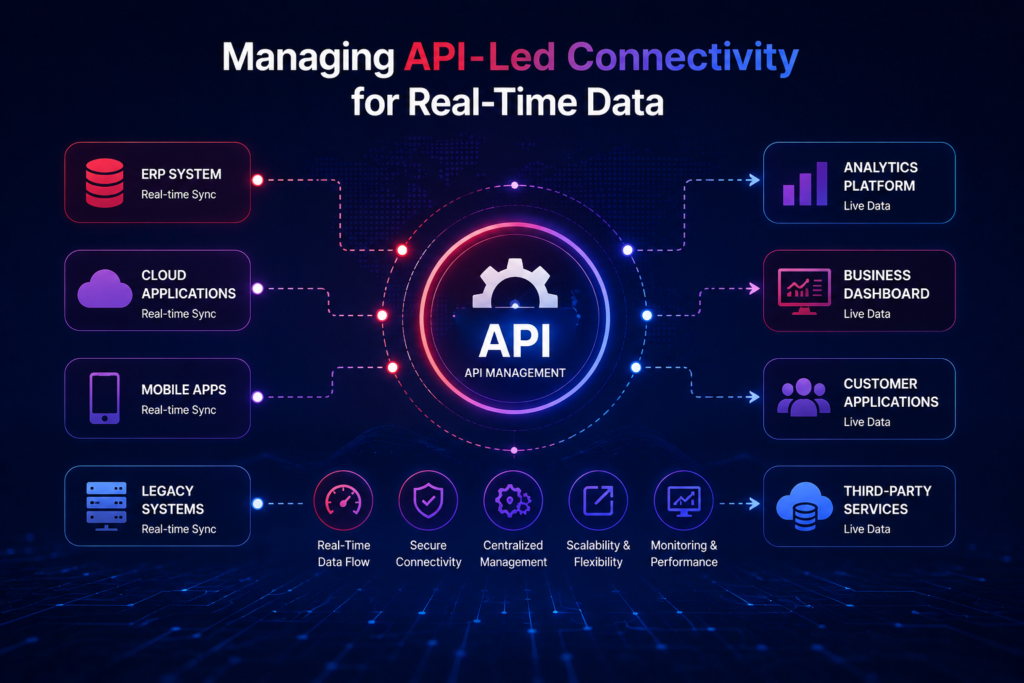
Building a strong API-led connectivity framework is key for digital transformation. In India’s fast market, businesses need real-time data to make quick decisions. Good API management keeps your systems flexible and ready for changing needs.
Designing Scalable API Architectures
A scalable design lets your systems grow with more users without slowing down. With a modular design, updates can be made without affecting everything. This way, your system can grow with your business.
Monitoring API Performance and Usage
Keeping an eye on your systems is essential for smooth operations. Watch for latency, throughput, and errors to spot problems early. Proactive monitoring helps keep your systems up to today’s standards.
Handling Error Logging and Exception Management
Systems need clear plans for when things go wrong. Good error logging helps fix problems fast and keeps downtime low. Exception management keeps your real-time data safe and correct, even when things go wrong.
| Strategy | Primary Benefit | Implementation Focus |
| Microservices | High Scalability | API management |
| Event-Driven | Low Latency | Data Synchronization |
| RESTful APIs | Interoperability | Standardized Protocols |
Testing and Quality Assurance Protocols
Testing is key to make sure your new SAP setup works well in India. It’s the last check to avoid problems and slow downs in real use.
Conducting Unit and Integration Testing
The first step is to check each part of the system. Developers must make sure each part works right before checking how they all work together.
Integration testing connects these parts to see if data moves smoothly. This step is critical to find any data or system issues.
Performing User Acceptance Testing with Local Teams
Just because it works technically doesn’t mean it works well for everyone. It’s important to get your local team involved in User Acceptance Testing (UAT). This makes sure the system fits with your daily work.
Getting users involved early helps find any problems with how easy it is to use. This teamwork makes sure the system meets your team’s needs.
Simulating High-Load Scenarios for Performance Validation
To keep things running smoothly, you need to test the system under heavy use. Quality assurance teams should test it like it’s at its busiest. This checks how it handles lots of data.
- Find any slow downs during busy times.
- Check if API responses are fast enough.
- Make sure the system can handle more users.
These comprehensive tests give you the confidence for a smooth launch. By focusing on these steps, you protect your investment and keep your system reliable for a long time.
Post-Implementation Monitoring and Optimization
Success in SAP S/4HANA needs constant watch and action. After setting up, focus on keeping things stable and performance optimization. This ensures your data keeps flowing smoothly. It’s key for keeping your digital world healthy across India.
Establishing Key Performance Indicators for Integration
Setting clear goals lets your IT team check how well things are working. Watch specific data points for your middleware and cloud services. Consistent monitoring finds problems before they slow you down.
- Average Response Time: Checks how fast API calls are.
- Error Rate Percentage: Sees how many failed transactions there are per hour.
- System Uptime: Keeps it running 99.9% of the time for important tasks.
Automating Routine Maintenance Tasks
Doing things by hand can lead to mistakes and downtime. Use SAP tools to automate tasks like log cleaning and updates. This lets your team focus on new ideas, not just keeping things running.
Automated alerts show you right away if something’s wrong. When a problem pops up, your team can fix it fast. This keeps things running smoothly for everyone.
Scaling Infrastructure Based on Business Growth
As your business grows, so does your need for more power. Plan ahead to make sure your cloud can handle more. Make sure it can grow to meet the needs of busy times in India’s retail and manufacturing.
The table below shows important metrics for success:
| Metric Category | Primary Goal | Monitoring Frequency | Target Outcome |
| API Latency | Speed Optimization | Real-time | Under 200ms |
| Data Throughput | Capacity Planning | Daily | Scalable Peak |
| Error Resolution | Reliability | Hourly | Zero Backlog |
| Resource Usage | Cost Efficiency | Weekly | Optimal Utilization |
Conclusion
Modern businesses in India face a key moment. Digital agility is key to leading the market. To achieve strong enterprise connectivity, a careful approach to system architecture and data management is needed.
Your path to a unified digital core starts with a clear vision for SAP S/4HANA Integration. This move helps teams overcome operational hurdles. It also builds a culture of making decisions quickly.
Investing in scalable infrastructure keeps your business strong against changing market needs. Focusing on secure and efficient enterprise connectivity protects your data. It also lets you innovate fast across all departments.
Sticking to these best practices turns technical challenges into advantages. Successful SAP S/4HANA Integration is the base for long-term growth and excellence in India.
Start your implementation today to unlock your digital ecosystem’s full power. Talk to your IT team to set these strategic goals. Begin building a smarter future for your company.