
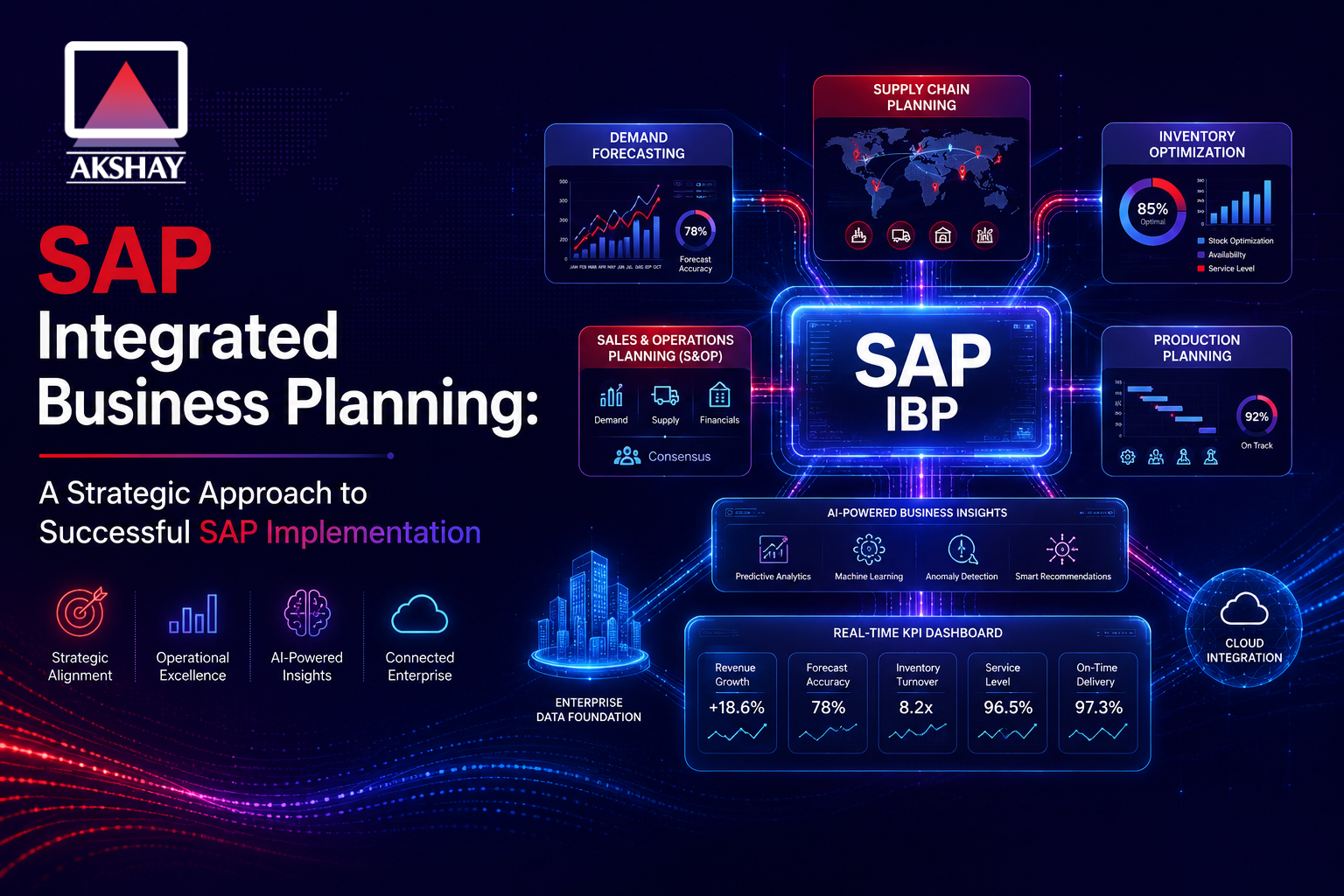
Indian companies face a fast-changing global market. They must update their supply chains quickly and accurately. Using SAP Integrated Business Planning helps them see and manage these changes better.
Success today is not just about new software. It’s about having a strong SAP implementation strategy that fits your company’s goals. A clear plan keeps your team working well during changes.
Strategic foresight is key for growing and staying competitive. A clear vision turns upgrades into lasting value. This guide shows how to use these systems to build a better future for your company.
Key Takeaways
- Modernizing supply chains is essential for Indian firms to maintain a competitive edge.
- A well-defined roadmap ensures a smoother transition during complex system upgrades.
- Visibility into operations allows for faster decision-making in volatile markets.
- Strategic alignment between technology and goals drives long-term operational success.
- Structured approaches minimize risks and maximize the return on digital investments.
Assessing Organizational Readiness for SAP Integrated Business Planning
Success with SAP Integrated Business Planning starts before the software is installed. Organizations need to do a deep internal audit. This ensures their foundations are strong enough for such a powerful tool. Preparation is the silent partner of every successful project.
Evaluating Current Supply Chain Maturity in Indian Enterprises
To succeed in today’s market, businesses must know their current state. Using a supply chain maturity model helps leaders find process gaps. This model helps teams move from just fixing problems to planning ahead with data.
Many firms in digital transformation india face old systems that block data flow. By comparing your current state with industry standards, you can see where to improve. This clear view is key for setting achievable goals.
- Identify manual processes that slow things down.
- Check the quality and ease of access to your data.
- See how well different parts of your company work together.
Identifying Key Stakeholders and Change Management Requirements
Technology alone can’t solve big business problems. You need to match your people with your tech goals for lasting success. Using change management best practices is key to getting past the usual resistance to change.
Finding the right stakeholders early makes sure everyone is part of the new plan. When teams see the value proposition of the new system, they help instead of just watching. This shift is key to good supply chain management.
For real digital transformation india, you need a clear plan to talk to everyone. By using change management best practices, you help your business grow. Using a supply chain maturity model with these people-focused strategies means your business is ready for the future.
Defining Strategic Objectives and Key Performance Indicators
To succeed in the Indian market, technology and business goals must align. Advanced planning tools are key. They help turn complex data into useful insights.
Aligning IBP Goals with Business Growth Targets
Start by linking technical skills to growth goals. Focus on business process optimization to boost agility. This ensures every software investment helps the bottom line.
Strategic alignment keeps planning relevant as markets change. It helps firms grow while keeping an eye on profits and customer happiness. This keeps businesses ahead in a fast-changing world.
Establishing Metrics for Success in the Indian Market
Know your supply chain maturity model to measure progress. Compare to industry standards to find performance gaps. This helps set achievable yet ambitious goals.
Improving supply chain visibility is key in India. Real-time data helps teams make quick, efficient decisions. Here are important metrics for growth.
| Metric Category | Primary Objective | Expected Outcome |
| Demand Accuracy | Reduce forecast error | Lower inventory costs |
| Lead Time | Optimize delivery speed | Higher customer satisfaction |
| Resource Utilization | Maximize asset output | Improved profit margins |
Consistent monitoring of these metrics leads to improvement. By refining them, companies meet local needs while keeping global standards. This turns data into a key for lasting success.
Selecting the Right SAP IBP Modules for Your Business
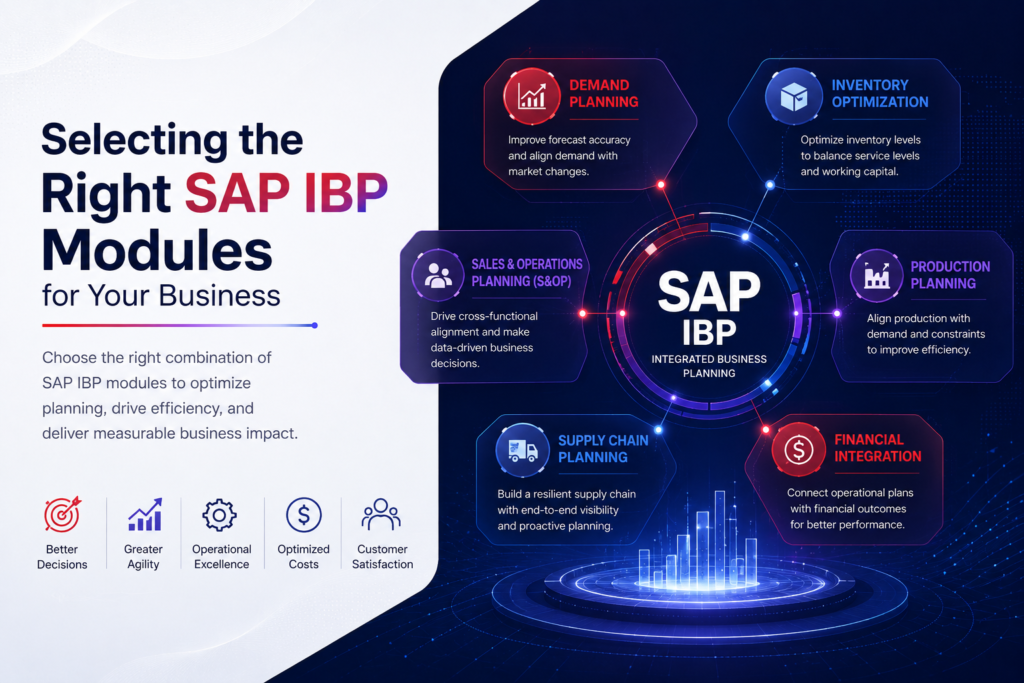
Building a strong supply chain in India needs the right SAP IBP tools. With market changes happening often, using a cloud supply chain is key. This keeps your business ahead.
The platform’s design lets you grow your tools as needed. By focusing on strategic alignment, you can tackle your biggest challenges. This is vital for success in India’s diverse market.
Understanding the Core Components of SAP IBP
The SAP IBP suite has key parts for complex planning. At its core, it has demand planning software that uses machine learning. This makes sales forecasts very accurate.
Using these tools helps move away from old ways like spreadsheets. It gives teams real-time visibility into stock and production. This is key for a strong supply chain resilience.
Customizing Modules for Demand, Supply, and Response Planning
Customization is the platform’s real strength. You can adjust the demand, supply, and response modules for your needs. This makes your cloud supply chain unique and powerful for growth.
Good demand planning software needs to be set up right for local needs. When done well, it helps planners make smart choices. This reduces waste and keeps stock levels right.
| Module Type | Primary Function | Key Benefit |
| Demand Planning | Statistical forecasting | Improved accuracy |
| Supply Planning | Inventory optimization | Reduced costs |
| Response Planning | Constraint management | Increased agility |
| Sales & Operations | Executive alignment | Strategic clarity |
Building a Robust Data Governance Framework
A robust data governance framework is key for planning tools to work well. It’s like the backbone for system integration, helping when you have old systems. Clear rules keep your digital change on track.
Ensuring Data Integrity Across Legacy Systems
Many Indian companies have info in old software. Data integrity suffers when these systems don’t talk well. You need to clean and check data before moving it to the cloud.
Using strict checks early on helps find problems before they spread. This way, your new planning tools work better. High-quality data is key for good supply chain forecasts.
Standardizing Master Data for Seamless Integration
Good master data management keeps data accurate over time. Standardizing data makes it consistent across departments. This is a big step toward better business process optimization.
Standardizing data means everyone sees it the same way. This makes daily work smoother. It helps your whole supply chain run better. Here’s how different strategies can help your data:
| Governance Strategy | Primary Benefit | Implementation Effort |
| Centralized Data Hub | High Consistency | High |
| Automated Validation | Reduced Manual Errors | Medium |
| Master Data Management | Unified Reporting | High |
| Periodic Data Audits | Maintained Accuracy | Low |
Developing a Phased Implementation Roadmap
Large digital changes need a clear plan to keep things running smoothly. A good roadmap is key for a sap implementation strategy. It helps keep business going while changing. Breaking the project into parts lowers technical risks.
Prioritizing Implementation Waves for Minimal Disruption
Grouping tasks into waves is the best way to start. Prioritizing low-risk, high-impact modules helps build confidence. This way, main business tasks keep going without big stops.
In India, starting with demand planning is common. It makes data flow stable. Then, adding supply and response planning comes next. This phased rollout avoids the problems of big changes all at once.
Managing Resource Allocation and Timeline Constraints
Getting the right mix of inside and outside help is key. Leaders must make sure important people aren’t too busy. Keeping the timeline realistic is also important to stay on track and meet operational efficiency goals.
The table below shows how to manage these phases well:
| Phase | Primary Focus | Risk Level |
| Pilot Wave | Demand Planning | Low |
| Core Integration | Supply & Inventory | Medium |
| Full Expansion | Response & Analytics | High |
Following this sap implementation strategy helps manage people and tech better. Clear communication about timelines keeps everyone on the same page. This structured way leads to a smoother system adoption.
Executing the Technical Configuration of SAP Integrated Business Planning
The true power of sap integrated business planning comes from setting up its core parts right. By matching the system to your needs, you build a strong base for growth. This step needs a deep grasp of how your business works in digital terms.
Configuring Planning Areas and Key Figures
The planning area holds all your supply chain data. In sap ibp configuration, you set up time profiles, master data, and attributes. This makes sure your demand planning software works well in different Indian markets.
Key figures are the numbers that guide your business choices. You need to define these to track sales, forecast accuracy, and inventory. Correctly mapping these figures helps the system quickly solve complex supply chain problems.
Setting Up Advanced Analytics and Dashboarding
After setting up the data, focus on seeing and understanding it. Real-time analytics lets your team watch supply chain performance live. This is key for quick responses to market changes or demand shifts.
Custom dashboards give a clear view of key performance indicators. These tools help spot problems and chances fast. Good dashboarding turns hard data into useful insights, leading to smarter decisions in your company.
The table below shows the main benefits of a well-set system:
| Feature | Primary Benefit | Impact on Operations |
| Planning Areas | Data Integrity | Consistent reporting |
| Key Figures | Precision Planning | Reduced stockouts |
| Analytics | Visibility | Faster response times |
Integrating SAP IBP with Existing ERP and External Systems
Creating a unified data environment is key in your sap integrated business planning journey. When systems talk to each other well, you get the supply chain visibility needed for quick, smart decisions. This makes all data one truth for your whole company.
Bridging SAP S/4HANA with IBP Cloud Solutions
Switching to cloud-based erp solutions needs a strong plan to connect your core with planning tools. By focusing on sap s/4hana integration, companies make sure data moves smoothly from operations to planning. This lets teams quickly adapt to changes in the Indian market.
Good integration stops data silos common in big operations. Automated data synchronization keeps demand and supply plans up-to-date. When your cloud matches your core system, you get more flexibility.
Managing API Connections and Middleware Requirements
Linking your enterprise resource planning software with outside platforms is tricky. You need reliable middleware for safe data sharing across your cloud supply chain. These links are like your digital system’s nerves, making sure info flows well between apps.
Here are key tech needs for a smooth integration:
- Standardized API protocols for easy data mapping.
- Strong middleware for handling lots of data during busy times.
- Tools for watching data flow in real-time to fix issues fast.
Investing in these tech basics gives you an edge in a quick market. Keeping API links clean keeps your data safe and supports growth. A well-connected system is the heart of a modern, quick supply chain.
Conducting Rigorous User Acceptance Testing
Final validation is key to your supply chain management success. Before the system goes live, everyone must check if it meets all needs. This step makes sure the software works as planned under normal business use.
Simulating Real-World Supply Chain Scenarios
Teams need to test more than just basic functions. They should create test scripts that reflect the Indian market’s unique challenges. Testing these real-world scenarios helps find problems before they cost you money.
Testing should involve teams from different areas to make sure data moves right. By running these tests, you ensure the system can handle lots of transactions smoothly. This helps avoid problems when you switch to the new system.
Validating System Performance and User Experience
A good system is one that users find easy to use. You must check how fast it gives real-time analytics to those who need them. User experience is key, as a hard-to-use system can slow down adoption.
Performance tests also look at how fast data is processed and reports are made. If the system is slow, it might not help with quick decision-making. It’s important for the dashboard to show clear, useful data to stay ahead.
| Testing Phase | Primary Focus | Success Metric |
| Functional Testing | System Logic | Zero Critical Bugs |
| Scenario Testing | Business Flow | Process Accuracy |
| Performance Testing | System Speed | Response Time |
| User Experience | Interface Ease | High Adoption Rate |
Training and Empowering the Workforce
Empowering your workforce is key to unlocking new supply chain tech’s full power. Advanced software gives you the tools, but it’s the people who use them well. By investing in workforce training programs, your team will feel ready to handle complex digital tasks.
Developing Comprehensive Training Programs for Indian Teams
Learning in India needs a mix of global and local knowledge. Training should be easy to get, fun, and match your team’s daily tasks. Tailoring training to local needs helps your team learn faster and use new systems better.
Here are some tips for better training:
- Role-based workshops: Give special sessions for planners, managers, and IT staff. This way, everyone knows their part in the system.
- Localized content: Use examples that show the unique challenges of India’s supply chain.
- Continuous learning modules: Provide digital resources for ongoing learning as the system changes.
Consistency is key when training different teams. When people understand why new processes are needed, they’re more likely to be excited about them.
Fostering a Culture of Data-Driven Decision Making
It’s not just about knowing how to use the tech. You need a culture that values data over guesses. A strong data governance framework is the base for this. It makes sure everyone trusts the data they see.
Using change management best practices helps teams accept new ways of working. Leaders should show how data leads to better results. Celebrating small wins helps build a culture of excellence.
The goal is to make data a part of daily talks. When your team sees the data governance framework as helpful, not restrictive, they can make better decisions. By adopting these change management best practices, your tech investment will pay off in the long run.
Managing the Go-Live and Post-Implementation Support
Going live is a big step in your digital journey. A good sap implementation strategy means smooth data moves and stable enterprise resource planning. These steps help avoid problems during the big switch.
Executing a Smooth Transition to Production
The cutover needs teamwork from tech and functional teams. Make sure master data management checks out before you go live. Bad data can slow down your business a lot.
Sap s/4hana integration keeps your supply chain in sync. Plan well to test everything under real loads. This way, you find problems before they cause trouble.
Establishing a Support Structure for Continuous Improvement
After going live, focus on keeping things running smoothly. Set up a support system for quick help. This keeps your team working well.
Success comes from learning and improving. Think about these for your support plan:
- Dedicated Help Desk: A team for quick tech help.
- Performance Monitoring: Check system speed and data often.
- Refresher Training: Keep staff up-to-date with new skills.
- Feedback Loops: Ways for users to suggest better workflows.
Continuous improvement is ongoing. Invest in support to get the most from your tech. This lets your team stay ahead of market changes.
Overcoming Common Implementation Challenges in India
Modernizing your supply chain in India is more than just about technology. It’s about understanding local challenges. Successful digital transformation india needs a good fit between global strategies and local realities. Anticipating these challenges early helps businesses smoothly move to advanced planning.
Addressing Infrastructure and Connectivity Hurdles
Reliable connectivity is key for businesses in India’s diverse areas. Using cloud-based erp solutions helps keep systems running smoothly. These platforms adapt to different network speeds and keep data accessible.
Latency issues can hurt real-time planning. Edge computing or local caching can solve these problems. Stable architecture keeps teams productive, no matter where they are.
Navigating Regulatory and Compliance Requirements
The Indian rules change often, needing constant watch. Companies must make sure their sap ibp configuration fits local tax laws like GST and data rules. Being compliant is not just legal; it’s a way to stand out and protect your brand.
Here are tips for your team:
- Automate compliance reporting to avoid mistakes and keep data right.
- Work with local legal experts to check if your setup meets all rules.
- Regularly check your planning to spot any gaps in rules.
Managing these local issues well helps build a flexible and quick supply chain. Tackling these challenges head-on sets a strong base for growth and success in India.
Conclusion
Modernizing supply chains needs a focus on strategy and precise action. Companies that put data first and train their teams well gain a lot. These steps help them grow in a changing world.
In India, businesses can now improve their planning with SAP Integrated Business Planning. This tool helps teams make decisions based on data, not just react. Leaders who use this approach stay ahead by predicting market shifts better.
Success comes from mixing technology with human skills. A clear plan ensures tech fits with company goals. This way, businesses get the most from their digital investments without trouble.
Being committed to digital excellence is key to running smoothly. Companies that see this as an ongoing effort will do well. Begin your journey now for a strong and flexible supply chain future.