
Companies in India today must work smarter to grow fast. They need the right ERP for Indian business to succeed. It’s not just a choice; it’s essential.
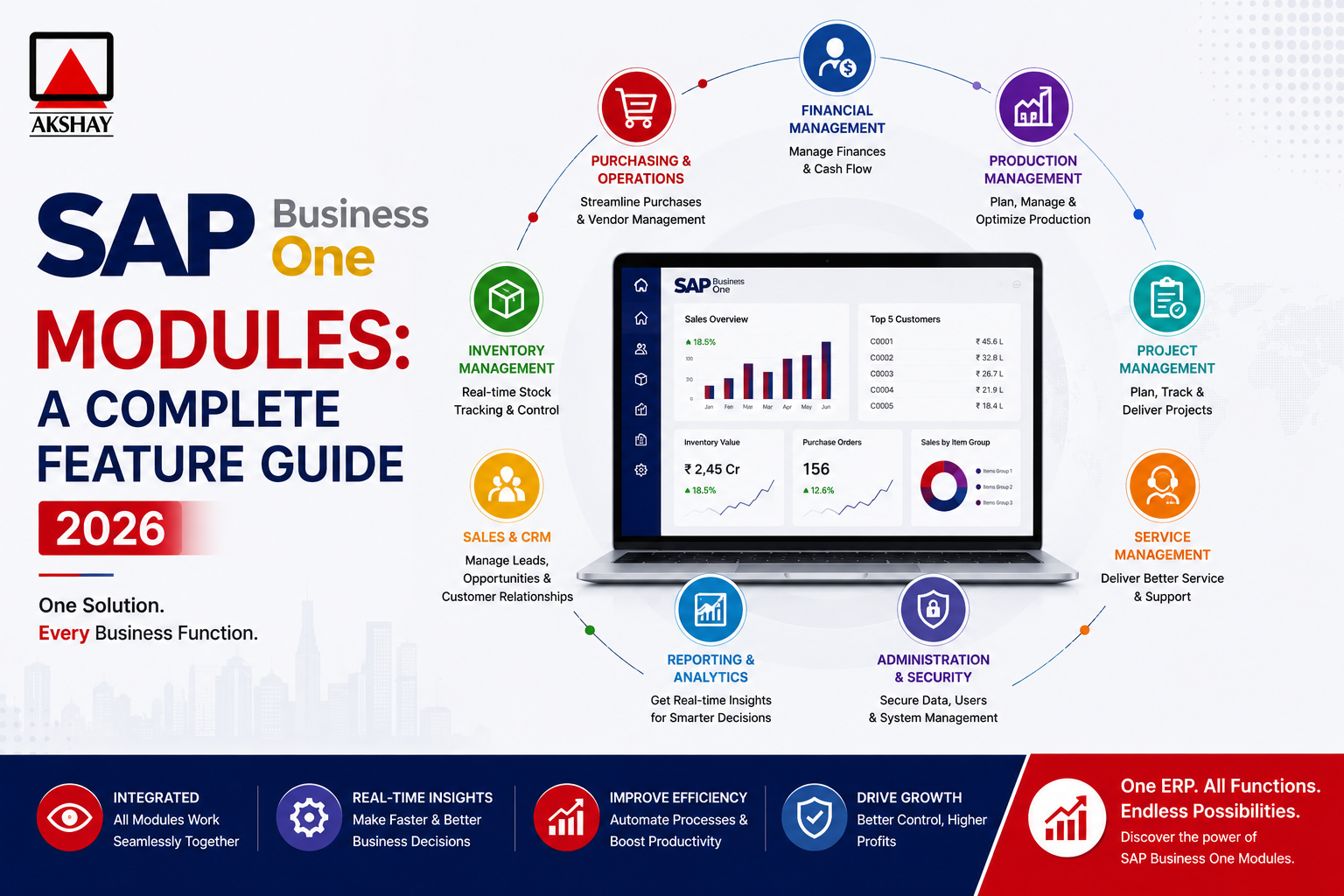
This platform creates a unified digital ecosystem. It links all departments together. With sap business one modules, companies see their finances and supply chains clearly.
Leaders use these tools to update their systems. They stay ahead in a changing market. This guide shows how these features help teams make better choices every day.
Key Takeaways
- The software provides a centralized hub for all enterprise data.
- It helps Indian firms scale operations with greater efficiency.
- Real-time analytics drive better decision-making across departments.
- The system supports compliance with local tax and regulatory standards.
- Automated workflows reduce manual errors and save valuable time.
Understanding the Core Architecture of SAP Business One Modules
The heart of any digital change is the sap business one modules core architecture. It makes sure data flows smoothly across all departments. A good SAP B1 implementation is like the brain of your company. It ties together different processes into one platform.
Navigating the SAP Business One Interface for Indian Enterprises
The interface is made to fit the needs of Indian businesses. It has intuitive navigation for easy task management. It also supports local languages and workflows, so employees can focus on work, not tech issues.
Users can use SAP B1 features to handle local taxes and rules well. This makes it easier for staff in different parts of India to learn. The interface stays the same, making it easy to grow your business.
Customizing Module Access Based on User Roles
Good SAP B1 customization keeps data safe and secure. It lets you tailor the system to each job, keeping important info safe. Admins can set up access controls to keep data safe.
Role-based access helps managers by hiding modules not needed by users. This strategic simplification makes the system work better and cuts down on mistakes. Here’s how different roles use the system to keep things running smoothly.
| User Role | Primary Access | Security Level |
|---|---|---|
| System Administrator | Full System Configuration | Maximum |
| Finance Manager | Accounting & Tax Modules | High |
| Sales Representative | CRM & Sales Orders | Moderate |
| Warehouse Staff | Inventory & Logistics | Moderate |
Streamlining Financial Management and Accounting Processes
Getting your finances right needs strong tools for complex tasks. SAP B1 features turn your back office into a key asset. This financial management software lets you track every deal with perfect accuracy.
Configuring the Chart of Accounts for GST Compliance
In India, being clear about taxes is key for success. Setting up your system right makes sure all deals follow tax rules. A good ledger is the base for a solid GST compliance ERP plan.
To get your system ready for local rules, do these key steps:
- Make tax codes that match HSN and SAC groups.
- Connect your G/L accounts to tax control accounts for easy tracking.
- Set up business partner data to include GSTIN info.
Automating Journal Entries and Financial Reporting
Manual entry can lead to mistakes that hurt your finances. Automation lets your team do deeper analysis instead of just bookkeeping. Real-time financial reporting means leaders always have the latest data.
The system makes journal entries when sales or buying documents are posted. This seamless integration means no need for manual checks at month-end. With these tools, you can make balance sheets and profit-loss statements fast. This helps your team make informed strategic decisions quickly.
Optimizing Sales and Customer Relationship Management
Companies that make their sales cycles faster do better in India’s fast economy. They use new digital tools to talk to prospects and manage their work better. Effective sales pipeline management helps catch every chance during the busy year.
Managing the Sales Pipeline from Lead to Cash
The path from a new lead to a paid deal has many key steps. Businesses need to track every talk to keep moving forward and grow steadily. A clear plan lets teams see how they’re doing and find problems before they hurt sales.
Here are the main steps in the cycle:
- Lead Generation: Getting people interested with ads and questions.
- Opportunity Tracking: Giving values and chances to deals.
- Quotation and Order: Making correct papers that show prices and taxes.
- Cash Collection: Making sure payments match invoices.
Integrating Customer Data for Personalized Service
Keeping all customer info in one place helps build strong relationships. When your team knows a unified view of customer history, they can offer custom solutions. This is key for keeping customers happy in a busy market.
Looking at what customers bought before and what they like helps your team. Data-driven insights let them suggest upgrades or help on time. This makes customers more valuable and boosts your brand in India.
Mastering Purchasing and Inventory Control
To excel in the Indian market, a strong inventory control system is key. Keeping stock levels just right helps avoid stockouts and cuts down on costs. This makes your business quick to adapt to market changes.
Setting Up Automated Procurement Workflows
Manual buying can lead to mistakes and slow deliveries. Automated procurement lets your team order goods automatically when stock gets low. This keeps your supply chain running smoothly without constant checks.
Here are some benefits of using these digital systems:
- Shorter lead times for important materials.
- No more extra paperwork or manual entry.
- Better relationships with suppliers through on-time orders.
Implementing Real-Time Inventory Tracking and Valuation
Having accurate warehouse data is key for smart financial choices. Real-time tracking keeps your stock records up to date. This is critical for keeping service levels high across India.
Choosing the right way to value your stock is also important. It helps with taxes and financial reports. Whether you use Moving Average or FIFO, the system does the math for instant financial insights. Consistent valuation helps your finance team keep accurate records and supports growth.
By using these tools together, your business can have a smooth flow from buying to delivery. This makes your warehouse a strategic asset for your company.
Leveraging Production and Material Requirements Planning
Getting better at making things starts with controlling your production and materials. Many in India use manufacturing ERP solutions to make their factory work smoother. This helps them see how much they make and use each day.
Defining Bills of Materials for Manufacturing Efficiency
A Bill of Materials (BOM) is key for making things. It lists all the parts needed to make a product. Accurate documentation helps your team know what to buy.
Clear BOMs prevent delays and help track costs. This is vital for keeping your factory running well.
Executing MRP Runs to Balance Supply and Demand
Material Requirements Planning (MRP) is important for MRP software India. It checks what you have, what’s sold, and what’s being made. This helps avoid too much or too little stock.
MRP keeps your production in sync with demand. This means better money management and happier customers. Good manufacturing ERP solutions make planning easier and smarter.
Picking the right MRP software India can really help your business. Here’s what makes a difference in the local market.
| Feature Category | Primary Benefit | Operational Impact |
|---|---|---|
| BOM Management | Standardized production | Reduced material waste |
| MRP Automation | Balanced inventory | Lower carrying costs |
| Production Scheduling | Optimized machine usage | Higher throughput |
| Real-time Reporting | Data-driven decisions | Improved profit margins |
Enhancing Service Management and Project Tracking
Effective service management tools are key for companies growing in India. The first sale is important, but keeping customers happy is more valuable. With strong project tracking software, businesses can keep all interactions smooth and productive.
Managing Service Contracts and Warranty Claims
Managing service lifecycles needs to be precise to keep customers happy. In SAP, teams can track service contracts easily. This means timely renewals and support visits happen without extra work.
Dealing with warranty claims is also easier. By keeping all data in one place, your team can check coverage fast. This leads to:
- Automated alerts for expiring service agreements.
- Real-time visibility into warranty claim status.
- Less chance of mistakes in the claims process.
Monitoring Project Milestones and Resource Allocation
Managing projects inside and outside the company needs a clear view. Advanced project tracking software lets managers see milestones in real-time. This is crucial for keeping projects moving in all departments.
Also, it’s great for planning resources well. Managers can give tasks based on who’s available and skilled. This way, teams work better together, using everyone’s skills to the fullest extent.
Utilizing Business Intelligence and Analytics Tools
Business intelligence analytics are key for making smart choices in SAP Business One. They turn raw data into actionable insights. This helps companies in India move quickly in changing markets.
These tools help leaders make decisions based on facts, not just guesses.
Creating Custom Dashboards for Real-Time Insights
Custom dashboards give a clear view of your company’s health. You can set them up to show the most important metrics for your work. This real-time reporting lets everyone see the latest data right away.
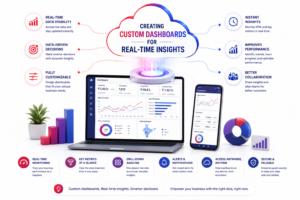
Good dashboards have a few key parts:
- Live sales tracking to keep an eye on daily sales.
- Inventory levels that update fast to avoid running out of stock.
- Cash flow indicators for better money management.
Generating Performance Reports for Strategic Decision Making
Understanding past trends and future plans is vital for growth. Advanced business intelligence analytics help spot patterns in your supply chain or customer base. This way, you can avoid problems before they happen.
Performance reports let leaders see how they’re doing against their plans. Using consistent data analysis builds confidence to explore new markets. Adding these tools to your workflow makes your system a strong tool for success and real-time reporting.
Integrating SAP Business One with Local Indian Banking Systems
Seamless cash flow management starts with linking your SAP environment to Indian banking portals. For businesses in India, manual data entry causes errors and delays. By connecting your ERP to local financial systems, your accounting stays accurate and up-to-date always.
Setting Up Electronic Bank Statement Processing
Automating bank statement imports is key for finance teams. SAP Business One lets you link your bank’s file formats to the system. This drastically reduces time spent on manual checks.
With the system set up, your team can automatically match credits and debits with open invoices. This streamlined workflow gives a clear view of your daily cash. It also spots discrepancies early, helping solve payment issues quickly.
Managing Payments and Reconciliations via API Integration
Modern treasury management uses banking API integration for secure, real-time communication. By using a strong banking API, you can make payments directly from SAP. This cuts down on the need to log into banking portals for each transaction.
This connection boosts financial security by keeping banking details safe. It also allows for instant reconciliation, as the system gets updates from the bank right after a payment. Using these digital tools helps Indian businesses stay ahead with better financial control and efficiency.
Ensuring Data Security and System Administration
Strong security is key for a good SAP B1 implementation in India. Keeping your data safe is not just a rule; it’s essential for your business to keep going. By following data security best practices, you can lower risks and keep your financial info safe from hackers.
Managing User Permissions and Data Access Controls
Good management starts with the least privilege rule. Make sure each employee only gets to the parts of SAP B1 they need. This stops data leaks and keeps your system safe.
Admins should check user accounts often. This means removing old accounts or changing permissions for people who move jobs. Keeping your system tidy and safe is key. Regular checks on user logs help you see what’s happening in your ERP system.
Performing Regular System Backups and Maintenance
Keeping your system up and running is vital for growth. Set up automated system backups to keep your data safe in case of problems. It’s also important to test these backups to make sure you’re ready for disasters.
Doing regular maintenance, like indexing databases and cleaning up files, keeps your system fast. Following data security best practices during these times keeps your SAP B1 implementation safe and quick. Use the table below to keep track of your key security tasks.
| Task Category | Frequency | Primary Objective |
|---|---|---|
| User Access Audit | Monthly | Prevent unauthorized entry |
| Full System Backup | Daily | Ensure disaster recovery |
| Security Patch Update | Quarterly | Mitigate software vulnerabilities |
| Database Optimization | Weekly | Maintain system performance |
Best Practices for Scaling SAP Business One in the Indian Market
As Indian businesses grow, they need to adapt their management systems. Scaling ERP systems is key to staying competitive. It’s about growing fast while meeting local needs.
Companies should focus on flexibility for long-term success. This ensures their digital setup supports growth.
Adapting to Changing Regulatory Requirements
The Indian rules on taxes and digital use change often. Keeping up with these changes is vital for any ERP for Indian business. Systems must be easy to update to meet GST and local rules.
Proactive monitoring of government updates is important. It helps avoid fines and keeps operations running smoothly. Updates should be quick and not disrupt work.
Training Staff for Maximum Module Adoption
Technology works best when people know how to use it. Good SAP B1 training is key. It makes your team more efficient and productive.
Training keeps staff up-to-date with new features and best practices. A well-trained team means less need for outside help. This leads to better data and smarter decisions.
The table below shows how to keep your ERP for Indian business running well:
| Strategy Focus | Primary Objective | Expected Outcome |
|---|---|---|
| Regulatory Compliance | Automate tax updates | Reduced audit risk |
| User Proficiency | Structured SAP B1 training | Higher system adoption |
| System Scalability | Modular expansion | Sustainable growth |
| Data Integrity | Regular validation | Accurate reporting |
Conclusion
Learning SAP Business One modules is key for Indian businesses in 2026. This guide shows how tech makes financial, sales, and inventory tasks easier. It turns complex tasks into simple workflows.
Using these digital tools, your business can manage resources better. Regular updates keep your business ready for changes. Training your team well helps them use software features fully.
Adopting modern ERP is a step toward growth and success. Check your processes for areas to automate and cut down on mistakes. Investing in digital tools now prepares your business for the future.
Share your SAP Business One experiences with others. Talking with peers can show new ways to meet your industry needs. Starting your digital journey is just the first step.