
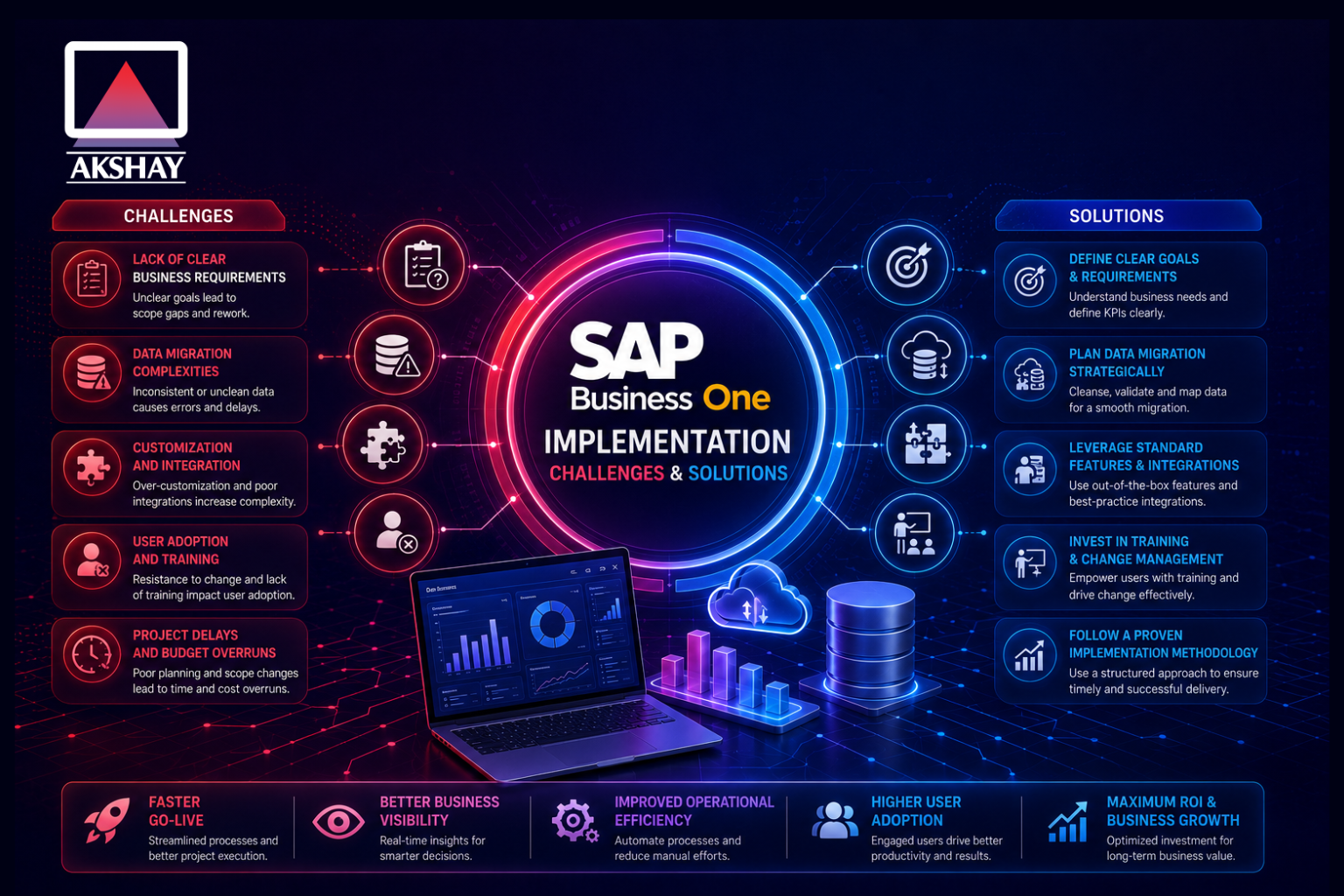
Modern businesses in India are moving fast to stay ahead. They need to tackle SAP Business One Implementation Challenges with a clear plan for growth.
Having a solid plan for ERP deployment is key to success. Companies that plan well avoid risks that can stop digital projects.
This guide helps leaders make their processes better. By knowing common problems, your company can make the transition smoother. We’ll show how to overcome these challenges for future success.
Key Takeaways
- Strategic planning is essential for successful software adoption in India.
- Identifying possible risks early prevents costly delays.
- Digital transformation boosts efficiency and business growth.
- A clear deployment plan helps teams work better together.
- Managing technical issues well can be a big advantage.
The Landscape of SAP Business One Adoption in India
The use of SAP Business One is changing the game for small and medium-sized businesses in India. The country is quickly moving to digital, leaving old systems behind. This move to ERP deployment India is key for staying ahead in today’s global market.
Indian companies face big challenges that need quick action and accuracy. They must make their processes the same and have real-time visibility into their work. SAP Business One helps by bringing all data together across different areas.
Several important factors are pushing ERP adoption in India:
- Standardization: Making sure all branches work the same way.
- Data Accuracy: Cutting down on mistakes with automated reports.
- Scalability: Growing with the business as it expands.
- Compliance: Keeping up with changing tax laws.
Indian business leaders are investing in strong software to meet their economic goals. This is more than just updating technology. It’s a fundamental change in how they manage their resources. ERP deployment in India is key for lasting success and top performance in a complex market.
Common SAP Business One Implementation Challenges
Many Indian businesses face big challenges when they switch to a new ERP system. The promise of easier operations is big, but SAP Business One Implementation Challenges often come from not being ready. Knowing these problems early helps leaders plan better for their digital change.
Data Migration and Integrity Issues
It’s hard to move data from old systems to new ones. Companies often deal with inconsistent data formats and old records. Making sure SAP B1 data migration is good is key to avoid problems later.
- Cleaning and validating legacy databases before the transfer.
- Mapping complex historical data to new system fields accurately.
- Performing rigorous testing to verify data integrity across all modules.
Resistance to Change Among Internal Stakeholders
Technology adoption is about people and software. In many Indian companies, employees like old ways and see new tech as a problem. Overcoming this cultural barrier needs clear talks on how the system helps everyone.
Managers must talk openly to build trust. When staff sees the benefits, they will welcome the new system.
Inadequate Training and User Adoption
A good system needs people who know how to use it. Many projects fail because of bad SAP user training. Without good training, employees may not use the system well.
Investing in tailored educational programs helps everyone feel confident. With ongoing support and workshops, companies can get the most from their new system.
Strategic Planning for Successful ERP Deployment
A successful ERP deployment India needs more than just software. It requires a detailed plan. Without a clear plan, businesses often face problems and waste resources. Careful preparation is key for long-term success.
Defining Clear Business Objectives and KPIs
Leaders must first identify the problems the system should solve. Then, turn these needs into measurable Key Performance Indicators (KPIs). This helps track progress and ensures goals are met.
Here are important metrics for your project:
- Reduction in manual data entry time.
- Improvement in inventory turnover ratios.
- Accuracy rates for financial reporting.
- Speed of order processing cycles.
Assembling a Dedicated Internal Implementation Team
The success of your project relies on the team. You need a cross-functional team from various departments. These team members help with communication and user adoption.
Your team should have:
- Project Manager to oversee timelines and budgets.
- Departmental leads to define specific process requirements.
- IT specialists to manage technical infrastructure and data security.
Selecting the Right SAP Partner in India
Choosing the right vendor is key. It affects your entire project. Look for a SAP partner selection with local expertise and a good track record. A partner familiar with the Indian market can help with regulations.
When choosing a partner, focus on these:
- Proven experience with ERP deployment India projects.
- Technical proficiency in customizing SAP Business One for local needs.
- Availability of a dedicated support team for post-go-live assistance.
Good SAP partner selection reduces risks and ensures a good return on investment. By focusing on these areas, your organization can grow strong.
Addressing Technical Hurdles and Infrastructure Requirements
Building a solid base for your business software is key. A good ERP infrastructure is essential for smooth operations. It makes sure data moves well across all areas of your business.
By tackling these tech needs early, you can create a system that grows with your business. This helps your business run smoothly for years to come.
Managing On-Premise Versus Cloud Hosting Decisions
Deciding between a local server or SAP cloud hosting is a big choice. Many in India choose the cloud for its flexibility and cost savings. It lets teams work from anywhere, which is great for today’s teams.
But, some prefer local servers for more control over data and hardware. This is good for those with strict security needs or poor internet in remote areas. Your choice depends on your business size and IT setup.
Ensuring Seamless Integration with Legacy Systems
For older companies, legacy system integration can be a big challenge. It’s about linking old databases with new software without losing data. A step-by-step approach helps keep your team working smoothly during the change.
Good integration uses strong APIs and middleware. This ensures your data stays safe and complete. Having a clear view of your business helps you make better decisions.
Customization Versus Standard Functionality Trade-offs
Choosing the right level of SAP B1 customization is tricky. Tailoring the software too much can make updates hard. Keeping standard features helps your system stay flexible and easy to update.
It’s wise to know what you need before making big changes. Often, you can tweak standard features to meet your needs. This saves money and keeps your ERP infrastructure running well.
| Feature | On-Premise | Cloud Hosting |
|---|---|---|
| Initial Cost | High (Hardware) | Low (Subscription) |
| Maintenance | Internal IT Team | Managed by Provider |
| Scalability | Limited/Slow | High/Instant |
| Data Control | Full Ownership | Shared Responsibility |
Navigating Regulatory Compliance and GST Integration
Keeping up with local tax rules is key for any business in India. Companies must make sure their digital setup matches Indian tax laws to avoid fines and delays. A good system is essential for clear finances and growth.
Adapting SAP Business One for Indian Tax Laws
SAP Business One has special features for the Indian market. It helps businesses follow local tax rules accurately. Accuracy is non-negotiable for tax filings and audits.
Setting it up right means linking tax codes to products and services. This way, the system calculates taxes automatically. Using automated tax logic reduces errors from manual entries.
Automating GST Reporting and Compliance Workflows
A strong GST compliance ERP changes how companies handle taxes. It automates tasks, freeing up finance teams for strategy. This makes filing faster and more reliable.
Benefits of automating include:
- Real-time data validation to spot errors early.
- Easy GSTR report generation from the system.
- Better tracking of input tax credits.
Handling Multi-Currency and Multi-Location Operations
Companies growing across states or internationally face more challenges. A top-notch GST compliance ERP supports operations in many places. It’s key for a clear financial picture.
Also, managing different currencies needs a system that handles rate changes well. Centralizing these tasks helps keep consistent financial reports everywhere. This is critical for growing while following Indian tax laws.
Managing Budgetary Constraints and Resource Allocation
To get a high SAP ROI, you need to know the total cost of ownership. Many groups only look at software costs. They forget about other financial needs for a successful setup. Keeping everything clear helps keep your ERP project budget in check and in line with your business goals.
Identifying Hidden Costs in ERP Projects
Projects often have extra costs not listed in the first quote. These hidden costs come from cleaning data, complex integrations, and extra consultants. Not planning for these can cause big money problems as the project goes on.
It’s smart to budget for support after the project and for keeping the system running. Also, don’t forget to plan for training. If you don’t, people might not use the system well, wasting money. Here’s a table of common costs to watch out for.
| Cost Category | Description | Impact Level |
|---|---|---|
| Data Migration | Cleaning and mapping legacy records | High |
| Customization | Tailoring standard features to workflows | Medium |
| Training | Upskilling staff for new processes | High |
Optimizing Resource Utilization During Deployment
Managing resources well is key to saving money in your ERP project budget. Use your own experts instead of expensive consultants. This saves money and builds knowledge that boosts your SAP ROI.
Strategic planning helps manage the project. Start with the most important parts first. This gives you quick wins to keep the project moving. Watch the project closely to move resources fast if needed.
Best Practices for Post-Implementation Support
The journey to digital transformation doesn’t stop when the system is live. Many in India think the project ends at deployment. But the real value comes in the maintenance phase. Consistent support makes your investment valuable for years.
Establishing a Robust Help Desk and Support Structure
A dedicated help desk is key for solving user problems and tech issues. Set clear service level agreements (SLAs) for quick issue fixes. Empowering your internal super-users to solve simple problems helps your SAP partner.
Continuous Monitoring and Performance Optimization
System health needs regular checks to find and fix problems early. Tracking key metrics keeps your database fast, even with more users. Proactive monitoring helps adjust settings for better workflow.
Planning for Future Upgrades and Scalability
As your business grows, your software must too. Focus on ERP scalability to add new features without big changes. Regular updates keep you current with SAP and local laws.
| Support Model | Response Time | Primary Focus |
|---|---|---|
| Internal IT Team | Immediate | Routine User Queries |
| Managed Service Provider | Defined SLA | System Optimization |
| SAP Partner Support | Extended | Complex Technical Upgrades |
By following these steps, businesses can stay ahead in India. A well-supported system is key for growth and ERP scalability. Investing in these strategies protects your profits and ensures top performance.
The Role of Change Management in ERP Success
A successful digital transformation needs a strong change management strategy. This strategy helps your team adjust to new goals. While software is important, people are key to success. Empowering your team with clear guidance makes technology work for your business.
Communicating the Value Proposition to Employees
Being open is key to a good change management strategy. Employees might worry that new systems will make their jobs harder. Leaders should explain how the platform makes things easier and cuts down on mistakes.
When staff see how the system saves them time, they help with the change. Highlighting individual benefits, like faster reports or better inventory checks, wins their support. This turns doubt into genuine enthusiasm for the new digital setup.
Overcoming Cultural Barriers in Indian Organizations
Indian companies face special challenges due to their traditional setups and work habits. A good change management strategy must understand these cultural differences. Leaders should create a space where everyone can share their thoughts, no matter their rank.
Training programs help connect old ways with new digital needs. By promoting a culture of shared success, companies can overcome resistance. The table below shows how to move from old ways to digital agility.
| Focus Area | Traditional Approach | Modern Digital Approach |
|---|---|---|
| Communication | Top-down mandates | Transparent, two-way dialogue |
| Training | One-time classroom sessions | Continuous, role-based learning |
| Feedback | Ignored or discouraged | Active, data-driven improvement |
| Adoption | Forced compliance | Incentivized engagement |
Conclusion
For digital transformation to succeed, you need a clear vision and a focus on doing things right. Companies that plan well and work together stand out in India.
SAP Business One is a key tool for growth if used correctly. Choosing the right partner and embracing new tech is key. This way, your business stays quick to adapt to changes.
Being ready with the right tech and support is important. It helps your team use your ERP system to its fullest. Regular checks and updates keep everything running smoothly.
Start checking your current setup today. Get your team involved early to build excitement for the new system. A well-planned rollout will bring big benefits to your company for a long time.