
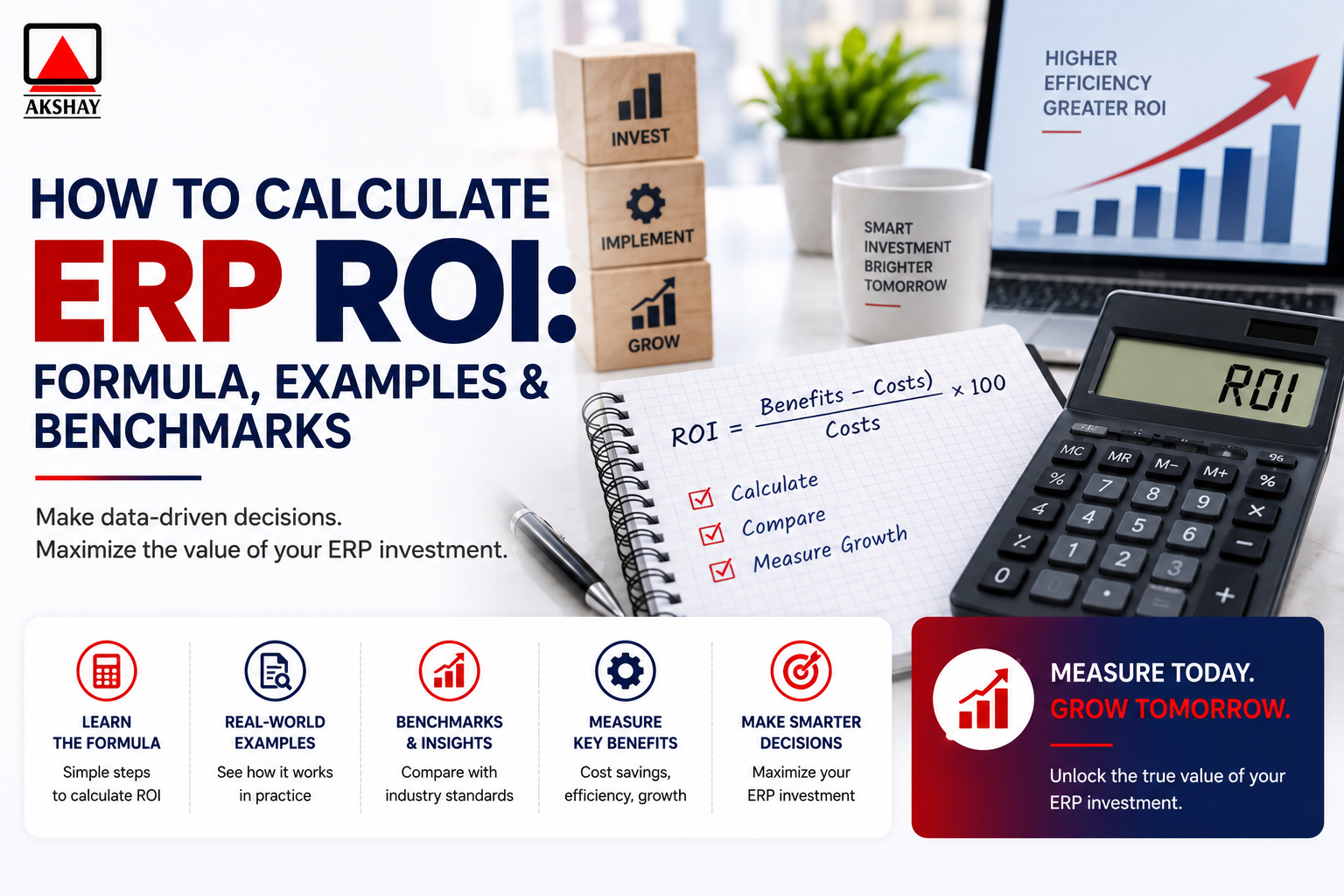
Digital transformation is now a strategic necessity for businesses in India. Companies must show the value of new software systems. This is key for their long-term success.
Calculate erp roi shows how technology investments lead to profit. It helps make data-driven decisions for growth. This way, every rupee spent improves operations.
This guide will teach you how to measure software value. We’ll look at formulas, benchmarks, and examples for tracking financial performance. Follow this to see the benefits of your digital setup.
Key Takeaways
- Digital transformation needs clear financial returns for business success.
- Measuring performance helps justify tech budgets to leaders.
- Data analysis replaces guesses with proof of success.
- Industry benchmarks help compare your progress with others.
- Tracking financial metrics is key for India’s digital growth.
Understanding ERP and Its Importance
Enterprise Resource Planning (ERP) is key for companies aiming to be the best. It connects all parts of a business into one system. This makes information flow smoothly between departments.
Today’s erp solutions help businesses leave behind old ways of tracking data. This is important for companies in fast-paced markets. Here, being quick and accurate is what matters most.
What is ERP?
An erp system is a software that ties together important business tasks. It puts finance, supply chain, and human resources under one roof.
This setup means all teams work with the same data. When one team updates something, everyone sees the change right away.
Key Features of ERP Systems
A good ERP system does more than just store data. It has tools that make tasks easier and cut down on mistakes.
- Centralized Database: One place for all business data.
- Real-time Analytics: Quick access to important reports and dashboards.
- Process Automation: Workflows that need less human help.
- Scalability: It grows with your business.
Benefits of Implementing ERP
The main erp benefits are better work flow and smarter decisions. With these erp solutions, leaders can spot problems early.
Also, an erp system helps teams work together better. People spend less time looking for info and more on growing the business.
| Operational Area | Traditional Workflow | ERP-Integrated Workflow |
|---|---|---|
| Data Management | Manual and Siloed | Automated and Centralized |
| Reporting Speed | Days or Weeks | Instant/Real-time |
| Decision Making | Reactive/Guesswork | Proactive/Data-Driven |
| Collaboration | Low/Fragmented | High/Seamless |
Defining ROI in the Context of ERP
Understanding the financial success of big software projects is key. erp return on investment is a main way to see if a company is using its money well. It helps measure growth and how efficient operations are.
What is Return on Investment (ROI)?
ROI is a simple way to see if an investment is worth it. It looks at the profit made compared to the cost. But, for big software, it gets more complicated.
It must look at both tangible and intangible gains. Tangible means things you can measure like lower costs. Intangible means things like happier employees or a better brand. A good erp roi looks at both to show the true value.
Why ROI Matters for ERP Investments
Getting approval from top leaders is hard. But, showing a strong erp return on investment can help. It makes it easier to get money for big projects.
ROI is more than just getting money. It shows if a business is healthy. It helps move past the start-up phase to focus on long-term benefits. Tracking erp roi helps make better decisions and use software better.
The Formula for Calculating ERP ROI
Figuring out the financial impact of your software investment is key. It helps you understand the erp return on investment. This way, you can explain your spending to others.
Basic ROI Calculation Steps
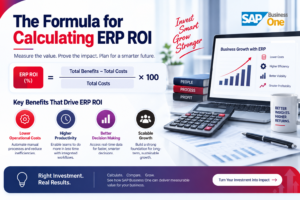
To see if your project is financially successful, compare the gains to the costs. The basic formula is to subtract the total cost from the total benefits. Then, divide that by the total cost.
Multiply the result by 100 to get a percentage. This shows how well your money is working for your company.
| Component | Description | Calculation Impact |
|---|---|---|
| Total Benefits | Revenue growth and cost savings | Positive numerator |
| Total Costs | Software, hardware, and labor | Denominator |
| Net Gain | Benefits minus costs | Final ROI value |
Factors to Consider in Your Calculation
When looking at your erp return on investment, don’t just think about the upfront cost. Remember the ongoing costs like maintenance and support.
Also, think about the time value of money and how long the system will last. Accurate projections include both direct and indirect benefits.
Common Pitfalls in ROI Calculation
Many businesses struggle with erp roi because they overlook hidden costs. These can be things like data migration time and staff learning curves.
Another mistake is expecting too much too soon. Be realistic about how long it takes for your team to get used to new systems. Ignoring these details can skew your financial view.
Identifying Costs Involved in ERP Implementation
Many companies don’t realize how much money they need for a successful erp implementation. You must look at more than just the initial cost. This way, you’re ready for every part of the project.
Initial Costs: Software and Hardware
The first part of your budget is for the initial cost. This includes buying erp software licenses. The price changes based on how many users or modules you choose. You also need to upgrade your infrastructure to run the new system.
- Licensing fees for on-premise or cloud-based platforms.
- Server hardware and networking equipment upgrades.
- Initial installation and configuration services.
Ongoing Costs: Maintenance and Support
After you start using the system, your costs change. You’ll pay annual maintenance fees for updates and security. You also need to budget for technical support to fix problems fast.
Keeping your system updated is essential. Skipping updates can cause problems or security risks. Good support helps your team use the system well.
Intangible Costs: Training and Change Management
The biggest costs are for the people involved in an erp implementation. Training your staff is key for them to use the system well. Without training, even the best tech won’t work right.
You also need to think about changing how your company works. This includes helping employees get used to new ways of doing things. Investing in these areas is vital for success.
| Cost Category | Primary Focus | Financial Impact |
|---|---|---|
| Initial | Licenses & Hardware | High Upfront |
| Ongoing | Maintenance & Support | Recurring Annual |
| Intangible | Training & Culture | Variable/Strategic |
Measuring Benefits of ERP Systems
Seeing how well your new platform works means looking at how it changes your daily tasks. By watching certain numbers, you can show the erp benefits that make spending money worth it. This turns vague improvements into real data for your team.
Improved Efficiency and Productivity
A modern erp system is like the brain of your business. It automates boring tasks, so your team can do important work instead of just typing numbers.
This change makes your team work better and faster. With smoother workflows, they can finish projects quicker and make fewer mistakes.
Enhanced Data Accuracy and Reporting
Good data is key for making smart choices. When all your data is in one place, you avoid the problems of old spreadsheets and manual changes.
With tools that report in real-time, managers can see how things are going right away. This enhanced visibility lets leaders make quick changes when the market shifts in India or elsewhere.
Cost Savings and Revenue Growth
The main reason for updating your tech is to make more money. You can see erp cost savings by looking at lower costs for keeping stock and running the office.
But it’s not just about saving money. These systems also help you make more money by serving customers better and faster. Consistent growth is easier when your tools help you grow and show you what’s working best.
Case Studies: Successful ERP Implementations
Real-world examples show how digital change can boost profits. By studying erp implementation successes, businesses can forecast their own gains. These stories show how tech helps in different markets.
Manufacturing Sector Success
A big manufacturing firm had big production problems. It chose a smart erp implementation to link its supply chain and track inventory live. This move cut waste and boosted machine use.
This led to more output without spending more money. Operational efficiency was key to their financial win. It showed tech can really increase production.
Retail Sector Transformation
A big retail chain wanted to improve customer service by linking online and offline sales. A full erp implementation gave it one place for all data. This helped in making ads for each customer and filling orders faster.
Customer loyalty and fewer stock-outs followed. By using integrated data insights, the brand grew in a tough market.
What These Cases Teach About ROI
These examples show ROI isn’t just one thing. It’s about better processes, clearer data, and strategic agility. Companies must see the long-term value of these systems, not just the upfront cost.
| Industry Sector | Primary ROI Driver | Key Performance Gain |
|---|---|---|
| Manufacturing | Production Efficiency | Reduced Downtime |
| Retail | Inventory Accuracy | Higher Sales Volume |
| Logistics | Route Optimization | Lower Fuel Costs |
| Healthcare | Patient Data Flow | Faster Processing |
A good erp implementation needs clear goals and user support. When tech matches business needs, success is easier to see. These lessons help any company start its digital journey.
Benchmarking ERP ROI Against Industry Standards
Comparing your metrics to industry standards helps refine your growth strategy. It shows if your erp return on investment meets market expectations. This helps find gaps in your current efficiency.
Industry-Specific ROI Metrics
Different sectors need unique ways to measure success. For example, a manufacturing firm in India might focus on inventory turnover. A retail business might look at customer acquisition costs. Tracking these indicators ensures your erp cost savings meet your goals.
Standardizing these metrics helps leadership teams see the impact of their software. Aligning your data with industry norms gives a clear view of your competitive standing. This is key for justifying future tech budgets.
Tools for Benchmarking Performance
Many analytical tools help compare performance to market leaders. Gartner or ERP consulting firms offer data sets. These resources help evaluate your erp roi with precision.
These tools provide dashboards to track your progress. By combining your data with external benchmarks, you spot trends. This data-driven approach is vital for success.
Understanding what is ‘Good’ ROI
What’s considered a “good” return varies by business model. A successful implementation should show erp cost savings within two years. But, long-term value comes from agility and better decision-making.
Setting realistic expectations is key for a healthy erp roi strategy. Knowing the typical payback period helps manage stakeholder expectations. Aim for steady, incremental gains for sustainability.
| Industry Sector | Average Payback Period | Target Efficiency Gain |
|---|---|---|
| Manufacturing | 18 – 24 Months | 15% – 20% |
| Retail & E-commerce | 12 – 18 Months | 10% – 15% |
| Healthcare | 24 – 30 Months | 8% – 12% |
| Logistics | 15 – 20 Months | 12% – 18% |
Your erp return on investment is a journey, not a single goal. Regularly benchmarking ensures your tech drives growth. Focus on the metrics that matter most to your business.
Adjusting ROI Expectations Over Time
Success with enterprise software is a marathon that needs patience and adjustments. Many hope for quick money, but digital transformation is complex. A good erp roi plan balances quick wins with long-term goals.
Short-Term vs. Long-Term ROI
At first, companies look for quick cost cuts. These might include less overhead or fewer data entry mistakes. But the real value comes as the system grows and fits into daily life better.
Long-term erp return on investment means better decisions and growth. The first year might show small gains, but the real impact on business agility grows over years. Strategic patience is key to unlocking your software’s full power.
The Role of User Adoption in ROI Calculation
Technology alone can’t achieve results without a skilled workforce. High erp efficiency depends on how well employees use the system. Low adoption means missed financial benefits.
Investing in training is critical for your erp roi. When staff is confident, they find new ways to improve workflows. This human touch drives lasting improvements.
Revisiting ROI Metrics Regularly
Businesses change, and your strategy should too. It’s important to check erp return on investment metrics yearly to stay relevant. This ensures your erp efficiency keeps improving.
Regular checks help leaders adjust and fix weak spots. By monitoring closely, you keep your tech investment valuable as your company grows. Being proactive is the secret to a positive erp roi in the long run.
| Investment Phase | Primary Focus | Expected Outcome |
|---|---|---|
| Implementation | System Setup | Initial Cost Outlay |
| Early Adoption | User Training | Process Stabilization |
| Optimization | Data Analytics | Increased Profitability |
| Maturity | Strategic Scaling | Long-term Competitive Edge |
Future Trends in ERP and ROI Calculations
Businesses are changing fast with digital transformation. Leaders need to use new tech to stay ahead. They must check if their investments are worth it.
The Impact of Cloud ERP Systems
Cloud-based ERP changes how we spend money. It moves big costs to smaller, ongoing payments. This lets businesses grow without buying too much upfront.
Advances in ERP Technology and Their ROI Impact
Now, ERP has AI and machine learning. These tools find savings and problems in data. They help teams work better and faster than before.
Adapting to Changing Business Environments
A good ERP system helps businesses stay flexible. Companies that keep their systems up-to-date do better. Check your tech today to meet your future goals. Share your digital transformation stories or get advice from experts for lasting success.