
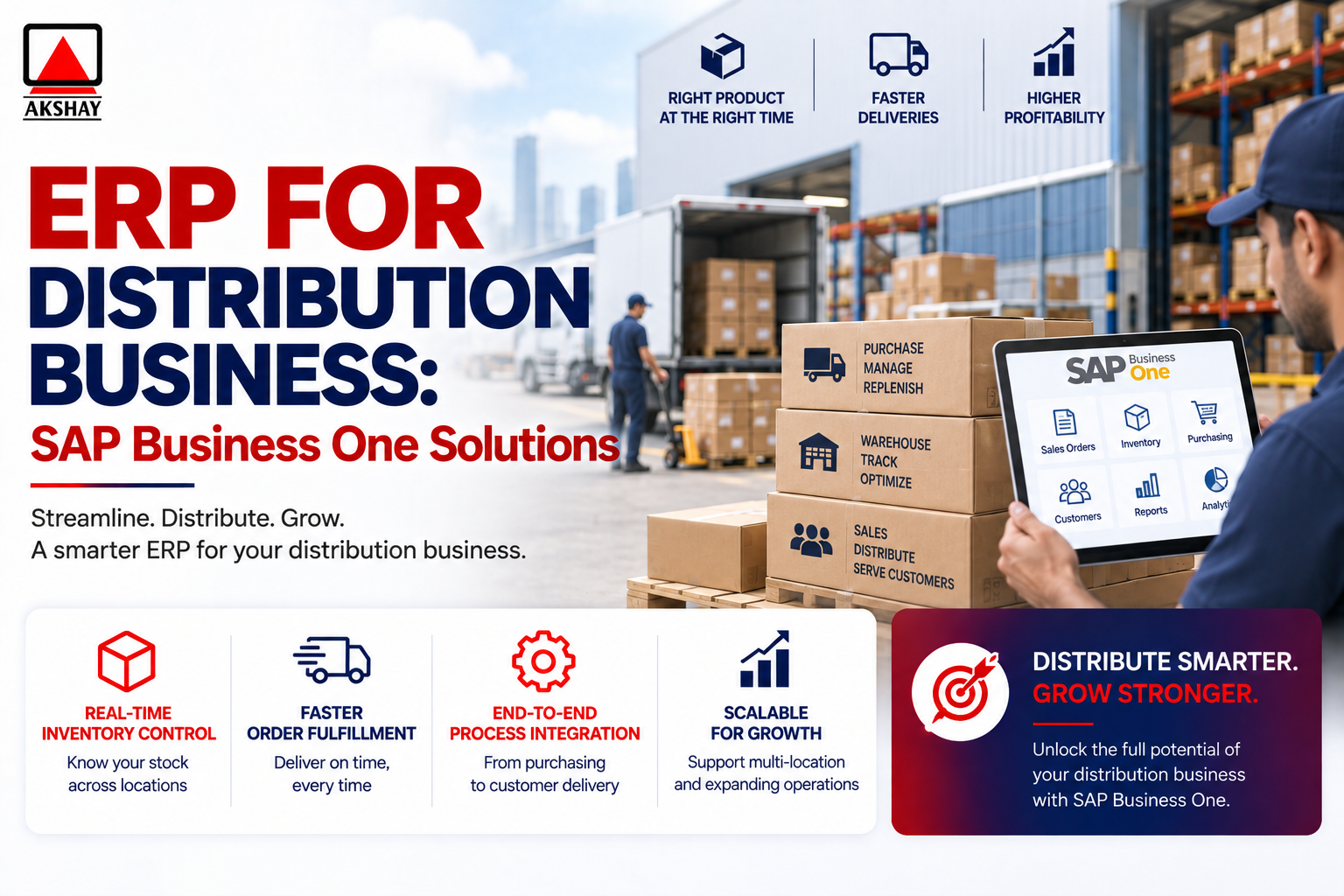
The Indian market is changing fast. Companies must update their old ways to keep up. Using a strong erp for distribution business helps manage stock and shipping well.
Growing in this fast world needs more than just hard work. Leaders are using new tech for real-time insights into how they do. The right erp for wholesale distribution lets them automate tasks and plan for the future.
Choosing an integrated system is key to operational excellence. It helps keep control over resources and grow in a busy market.
Key Takeaways
- Digital transformation is key for staying ahead in the Indian wholesale sector.
- Integrated systems give better view of complex supply chains.
- Automation helps grow operations and cuts down on mistakes.
- Real-time data helps leaders make smart, strategic choices.
- Picking the right tech ensures lasting growth.
Understanding ERP for the Distribution Sector
A successful wholesale operation needs a unified digital platform. Enterprise Resource Planning, or ERP, is a centralized system. It connects different business functions into one database.
By integrating sales, procurement, and logistics, companies have one source of truth. This makes all operational data accurate.
What is ERP?
An ERP solution replaces old ways with a streamlined architecture. It captures every transaction in real-time. This keeps inventory and financial records in sync.
This integration is key for any erp for distribution business. It helps keep data accurate across many warehouse locations.
When data flows freely, teams can make quicker, better decisions. They don’t have to manually reconcile reports. This lets them focus on tasks that grow the business.
Automated workflows reduce the chance of mistakes. This is a big advantage over old ways.
Importance of ERP for Distributors
Distributors manage a lot of transactions and inventory. Without a specialized erp for wholesale distribution, they face information silos. These silos block visibility and slow down the supply chain.
A strong system helps track stock, monitor suppliers, and manage orders. The table below shows how an integrated system improves daily operations over manual methods.
| Operational Area | Manual Process | ERP-Driven Process |
|---|---|---|
| Inventory Tracking | Spreadsheet updates | Real-time automated sync |
| Order Processing | Paper-based workflows | Digital end-to-end flow |
| Data Accuracy | High risk of errors | Single source of truth |
| Reporting Speed | Days or weeks | Instant dashboard access |
By centralizing data, distributors can avoid costly delays. The right technology keeps your business competitive. Efficiency is no longer optional; it’s key to success in distribution.
Key Features of SAP Business One
SAP Business One is a key tool for wholesale success. It offers a single platform for all operations. This helps businesses move quickly in the modern Indian market.
Inventory Management
Good erp inventory management is vital for wholesale success. SAP Business One tracks stock well. This avoids stockouts and too much stock.
It keeps accurate records. This means better use of warehouse space and lower costs.
Order Processing
Keeping the sales cycle smooth is key for happy customers. The system tracks orders from start to finish. This automated workflow avoids delays and mistakes.
Financial Management
Integrated financial tools record every transaction right away. This gives a clear view of money flow and profits. Using erp distribution software tracks money owed and paid in many currencies.
The table below shows how these features solve common problems for distributors:
| Feature Category | Primary Benefit | Operational Impact |
|---|---|---|
| Inventory Control | Automated Tracking | Reduced Stockouts |
| Order Management | Workflow Automation | Faster Fulfillment |
| Financial Oversight | Real-time Reconciliation | Improved Cash Flow |
| Data Analytics | Centralized Reporting | Better Decision-Making |
Using these erp inventory management tools helps distributors do better. These features help businesses grow and get bigger.
Benefits of Implementing ERP in Distribution
Efficiency and clarity are key to success in the Indian wholesale market. Companies moving to digital systems see big changes fast. They can focus on growing instead of fixing problems.
Increased Efficiency
erp distribution software automates tasks, reducing errors. Staff can then focus on important tasks like customer service and planning.
Automated workflows speed up orders. This lowers costs and helps keep profits up. Businesses can handle more orders without hiring more people.
Enhanced Visibility and Reporting
Modern erp inventory management gives a clear view of warehouse operations. Managers can track stock levels in real-time. This helps avoid overstocking and stockouts.
Reporting tools help leaders see sales trends and top-selling products. This info helps improve sales and supply chain performance. Here’s how moving to ERP changes things:
| Feature | Manual Process | Automated ERP |
|---|---|---|
| Data Accuracy | Low (High Error Rate) | High (Real-time) |
| Order Processing | Slow (Paper-based) | Fast (Automated) |
| Stock Visibility | Delayed/Inaccurate | Instant/Precise |
ERP systems improve customer satisfaction. Accurate and timely orders build trust. Here are the main benefits for your business:
- Reduced operational costs through better use of resources.
- Faster decision-making with accurate, up-to-date data.
- Improved scalability for future growth.
Integration Capabilities of SAP Business One
A top distribution ERP system is the heart of your business data. It breaks down information silos. This way, every department works from one true source.
This connection is key to staying ahead in India. It lets businesses run smoothly across different places and teams.
Connecting with Other Systems
Today’s businesses use many tools for daily tasks. SAP Business One stands out with strong APIs. These APIs connect your main software with e-commerce sites and logistics.
Choosing a cloud ERP for distribution business means automating data between your warehouse and online sales. This cuts down on manual errors and makes orders faster.
Also, linking with third-party shippers keeps tracking info current. This gives customers accurate delivery times. It makes them happier and more loyal to your brand.
Customization Options
Every distribution company is different. SAP Business One has tools to make the software fit your needs.
You can change how the software looks, add custom fields, or make special reports. This flexibility means your software grows with your business.
Building a flexible digital system helps you avoid being stuck with old tech. A cloud ERP for distribution business lets you grow without outgrowing your tech.
Real-Time Data Access and Analytics
In the fast-moving Indian market, having instant access to business data is key. Companies that wait for end-of-month reports often miss chances to adjust their strategies. A top-notch distribution ERP system gives a live view of every transaction.
Importance of Real-Time Data
Having immediate visibility lets stakeholders watch key performance indicators as they happen. Tracking sales and inventory in real-time helps respond quickly to market changes. This quickness is essential for staying ahead in a crowded field.
Choosing a cloud ERP for distribution business keeps your team connected from anywhere. Whether in a warehouse or office, data stays consistent and accurate. This transparency cuts down on errors and builds trust across your team.
Using Analytics for Better Decision-Making
Advanced analytics tools turn numbers into clear, actionable insights. By looking at past trends and current demand, leaders can predict future needs well. This proactive approach helps in optimizing stock levels and avoiding costly overstock or stockout.
Data-driven decisions cut down on guesswork and boost profitability. Managers with access to visual dashboards can spot bottlenecks early. Using a cloud ERP for distribution business lets your staff focus on growth, not just data entry.
The table below shows the move from old reporting to modern, real-time analytics in a distribution ERP system:
| Feature | Traditional Reporting | Real-Time Analytics |
|---|---|---|
| Data Latency | Delayed (Days/Weeks) | Immediate (Seconds) |
| Decision Speed | Reactive | Proactive |
| Accuracy | Prone to Human Error | High Precision |
| Accessibility | Desktop Only | Anywhere/Any Device |
Streamlining Supply Chain Management
Supply chain management is key for any business to succeed. It helps meet customer needs quickly and accurately. Using erp solutions for distribution gives companies control over their logistics from start to finish.
Automation in Supply Chain
Manual data entry can cause errors and delays. Automation helps businesses focus on growth, not paperwork. Automation makes sure orders are sent out right away when stock is low.
This digital method cuts down on human mistakes. It speeds up the whole buying process. Many businesses see it as a way to stay ahead in the Indian market. The main benefits are:
- Reduced processing time for orders and invoices.
- Improved accuracy in tracking and restocking inventory.
- Seamless communication with both inside teams and outside partners.
Vendor and Supplier Management
Good relationships with vendors are vital for quality products. Strong supplier management leads to better deals and reliable delivery times. With erp solutions for distribution, managers can check on supplier performance anytime.
This lets them make smart choices during supply chain problems. Keeping a detailed record of vendor interactions helps find the best partners. Here’s how things change with automation:
| Feature | Manual Process | Automated ERP |
|---|---|---|
| Order Tracking | Spreadsheets | Real-time Dashboard |
| Vendor Communication | Email/Phone | Integrated Portal |
| Lead Time Analysis | Estimation | Data-Driven Reports |
In the end, a smooth supply chain saves money and increases profits. By using these advanced tools, distributors can stay strong and efficient in a changing world.
Compliance and Regulatory Considerations
In the fast-paced Indian market, staying compliant with tax laws and safety regulations is non-negotiable. Wholesale businesses face a complex web of legal requirements that change frequently. Using erp solutions for distribution helps firms navigate these challenges with greater confidence and accuracy.
Importance of Compliance in Distribution
Regulatory adherence is the backbone of a sustainable business model. Companies must manage rigorous tax reporting, such as the Goods and Services Tax (GST), while ensuring that product safety standards meet national benchmarks. Failure to maintain these standards often leads to significant financial penalties and damage to a company’s reputation.
Beyond avoiding fines, compliance fosters trust with partners and customers. When a business demonstrates transparency in its operations, it gains a competitive edge in the marketplace. Consistent documentation acts as a safeguard against legal disputes and operational audits.
How SAP Business One Ensures Compliance
SAP Business One provides a centralized platform to manage these critical tasks effectively. The software includes built-in tools that create comprehensive audit trails for every transaction. This ensures that all financial records remain accurate and accessible for regulatory reviews.
By automating compliance checks, the system reduces the risk of human error. These erp solutions for distribution allow managers to focus on growth. The following table highlights how automated systems outperform traditional manual methods in maintaining regulatory standards.
| Compliance Feature | Manual Process | SAP Business One |
|---|---|---|
| Audit Trail Accuracy | Prone to human error | Automated and immutable |
| Tax Reporting | Time-consuming and risky | Real-time GST integration |
| Documentation Storage | Physical files or scattered | Centralized digital archive |
| Regulatory Updates | Delayed implementation | Instant system updates |
Case Studies: SAP Business One in Action
Many businesses in India have modernized their supply chains. They used distribution management software to do this. This change helped them handle more items and keep high service levels.
Success Stories from Distribution Businesses
A mid-sized electronics distributor in Mumbai had trouble with inventory data. They used SAP Business One and saw a big drop in stock errors. This gave them a clear view of their warehouse, making orders faster and customers happier.
A pharmaceutical company used this distribution management software for batch tracking. It saved them a lot of time on reports. These stories show how the right tech can help businesses grow.
Lessons Learned
Changing to new tools is not enough. Companies that do well focus on training and planning. It’s key to match your business goals with the software’s abilities.
Clean data is also vital during the change. Companies that clean up their old data have an easier time. Using distribution management software means seeing it as a part of your business that grows with you.
| Operational Metric | Before Implementation | After Implementation | Improvement |
|---|---|---|---|
| Order Processing Time | 48 Hours | 6 Hours | 87% Faster |
| Inventory Accuracy | 75% | 99% | 24% Increase |
| Operational Costs | High | Optimized | 15% Savings |
| Reporting Speed | Weekly | Real-Time | Instant Access |
Getting Started with SAP Business One
Starting with a new ERP system needs careful planning. Leaders must look at current problems to pick the right distribution management software. This choice should help your business grow.
Initial Steps for Implementation
The first step is a detailed needs assessment. Find out what problems you have, like wrong inventory or slow orders. Then, pick a partner who knows the Indian market well.
Next, set a clear project scope. Decide on timelines, goals, and who will lead the change. A good plan keeps your business running smoothly while you switch.
Training and Support Options
Getting your team to use the new system well is key. Good training makes them confident from the start. Custom workshops help them see how the software makes their jobs easier.
After training, keep getting help to get the most from your system. You need experts and updates to keep things running smoothly. Here are some support options:
- Dedicated Help Desk: Get help fast for any tech problems.
- Periodic System Audits: Get checks to make sure your setup is right.
- Advanced User Workshops: Keep learning about new features and updates.
Focus on learning and getting help to use your distribution management software well. This way, your investment will keep helping your business grow and meet changing needs.
Future Trends in Distribution and ERP
The world of wholesale operations is always changing. New digital tools are coming out all the time. Businesses need to keep up with these changes to stay ahead in the global market.
The Impact of Technology on Distribution
Artificial intelligence and machine learning are changing how companies manage stock and logistics. These tools help predict market demand very accurately. By using these smart systems, companies can cut down on waste and make delivery routes better.
Companies that use these new tools have a big advantage. They outdo their competitors who stick to old ways of doing things.
Innovations in ERP Solutions for Distributors
Software companies like SAP are making tools that can do tasks on their own. Soon, these tools will give insights that help predict when to order more stock. This means your business can stay quick and flexible in a fast-changing world.
Keeping up with these trends helps you improve your strategy. It helps your business grow for the long term. Talk to your tech partners now to see how these new features can change your work every day.