
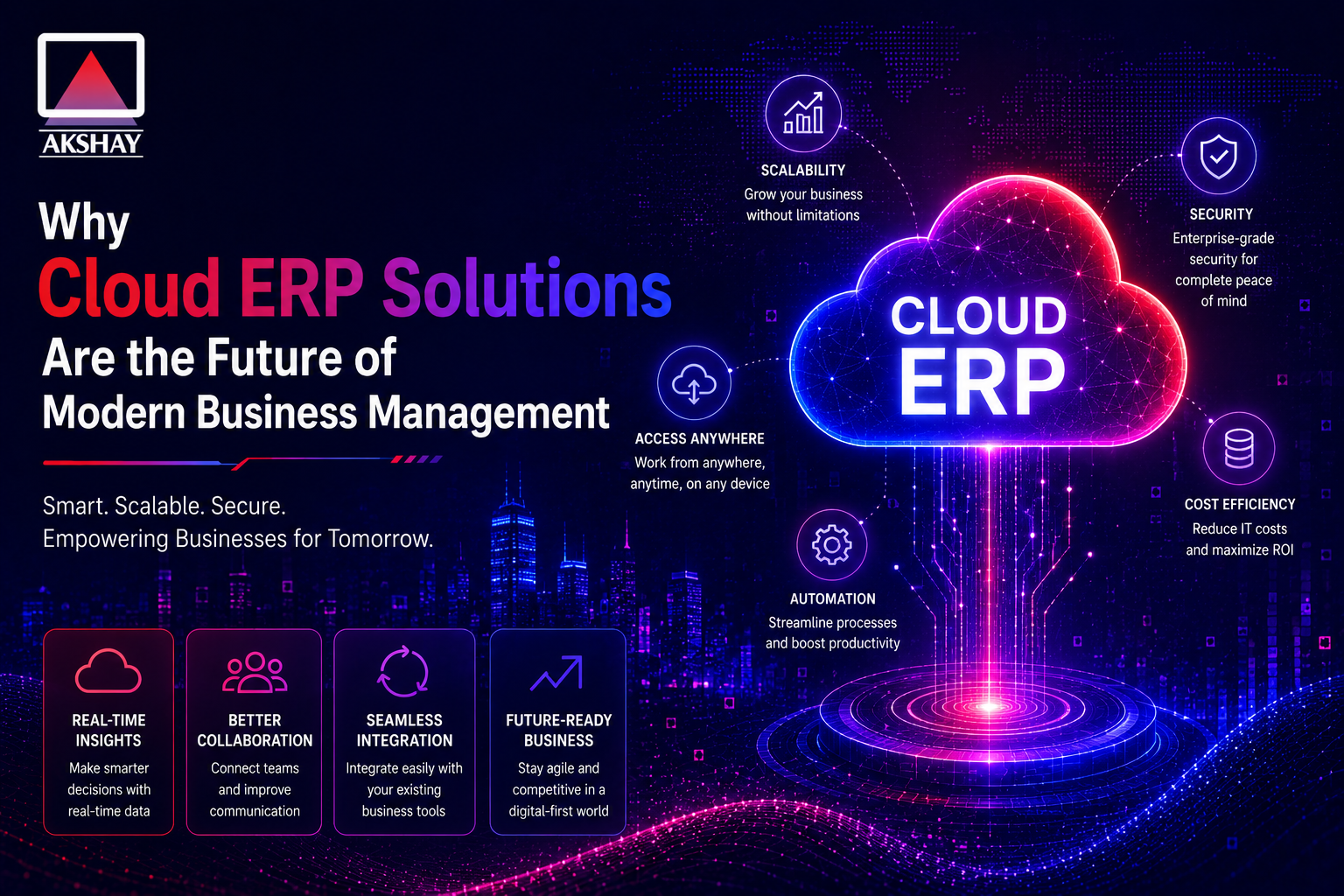
The world of business management in India is changing fast. Companies are leaving old, fixed systems behind. These systems often slow growth and limit flexibility.
Now, leaders are choosing agile, digital-first architectures. These modern cloud ERP solutions give them the data they need fast. This helps them make quick, smart decisions.
By going for these cloud ERP solutions, companies can make things run smoother. They also save a lot on costs. This move is not just a choice; it’s a vital strategy for success in today’s world.
Key Takeaways
- Indian enterprises are rapidly moving from legacy systems to flexible digital platforms.
- Real-time data access is essential for maintaining a competitive edge in today’s market.
- Modern software architectures help reduce operational overhead and improve efficiency.
- Scalability allows growing companies to adapt quickly to changing industry demands.
- Strategic digital adoption is now a core requirement for sustainable long-term growth.
The Evolution of Business Management in the Indian Market
The Indian business world has changed a lot in the last ten years. Companies used to do things manually but now they’re going digital. This change is moving them from separate data systems to a more connected way of managing business.
From Legacy Systems to Digital Transformation
Before, Indian companies used old software that made it hard for different parts of the business to share data. This led to mistakes and slow decision-making. Now, they’re moving to the cloud to make everything work together better.
With cloud technology, businesses can see what’s happening in their whole supply chain in real time. It’s not just about new tech; it’s how companies compete today. Being efficient is key to success in the modern Indian business world.
The Impact of Government Initiatives on Digital Adoption
Government programs like “Digital India” and the Goods and Services Tax (GST) have pushed companies to go digital. They had to start using cloud-based systems for financial reports. This made them need strong, cloud-based solutions for being compliant and clear.
Now, even small businesses are using advanced tools that big companies used to have. This makes things fairer for all kinds of businesses. Here’s a table showing the old ways versus the new cloud-based methods.
| Feature | Legacy Systems | Cloud-Integrated Systems |
| Data Access | Siloed and Local | Centralized and Remote |
| Scalability | Limited and Costly | High and On-Demand |
| Maintenance | Manual and Frequent | Automated and Seamless |
| Compliance | Difficult to Update | Real-Time Regulatory Updates |
Understanding the Core Benefits of Cloud ERP Solutions
The move to cloud systems brings unprecedented flexibility for teams everywhere. Businesses can use cloud ERP solutions to keep working smoothly, no matter where they are.
Accessibility and Remote Collaboration
Today, being able to access important business data from anywhere is key. Modern enterprise resource planning lets teams work together in real-time. This is true whether they’re in Mumbai or working from home.
This change lets staff make good decisions without being stuck at a desk. Seamless connectivity means everyone can see updates and reports right away.
Seamless Integration with Third-Party Applications
A strong digital setup needs more than just one tool. Companies use different software for CRM, payroll, and logistics. So, making these tools work together is very important for digital transformation.
API-Driven Ecosystems
Today’s platforms use API-driven designs to link different software. These APIs help cloud ERP solutions talk to other tools easily.
This setup makes your business system flexible and ready to change. By using standard protocols, companies can easily swap or update modules without messing up their enterprise resource planning.
Automated Data Synchronization
Manual data entry can lead to mistakes that harm your financial records. Automated syncing means every department uses the same single source of truth.
When data moves automatically between systems, errors go down a lot. This accuracy is vital for any company going through meaningful digital transformation in today’s fast Indian market.
Scalability and Flexibility for Growing Indian Enterprises
Scalability is key for any business aiming to grow in India. As they grow, their enterprise resource planning needs change fast. The right digital setup helps keep things running smoothly during big growth periods.
Adapting to Rapid Market Fluctuations
The Indian market changes quickly, with sudden shifts in what people want. Businesses need to be quick to change their plans without being slowed down by old systems. Cloud solutions let companies quickly adjust their resources, paying only for what they use.
Cloud solutions mean no big upfront costs for hardware. This lets companies spend more on new ideas. Being flexible is key to staying ahead in a fast economy. Companies using cloud tools find it easier to handle busy times.
Modular Growth Strategies
Using a modular approach lets businesses add features as they grow. They can start with the basics and add more later. This way, they can avoid overwhelming their teams with too much new tech at once.
- Start with essential finance and inventory modules.
- Add human resources or supply chain tools as the team expands.
- Integrate advanced analytics once the data foundation is stable.
This step-by-step plan helps businesses grow strong and steady. It lets them build a digital system that fits their goals perfectly.
| Feature | Traditional ERP | Cloud-Based ERP |
| Infrastructure | High Upfront Cost | Subscription Model |
| Scalability | Limited/Manual | Instant/Automated |
| Deployment | Months/Years | Weeks |
| Maintenance | Internal IT Team | Vendor Managed |
Enhancing Real-Time Decision Making with Data Analytics
In the fast-paced Indian market, making quick, informed choices is key. Companies that rely on gut feelings often struggle. By using data analytics, businesses can plan ahead instead of reacting.
The Power of Centralized Data Repositories
Information silos can block teams from seeing the whole picture. A centralized repository is like a single source of truth. It ensures all departments work with the same facts.
Having data in one secure cloud location makes it easier to manage and analyze. This setup supports the scalability needed by growing Indian firms. With clean, accessible data, leaders can trust the information they use for planning.
Leveraging Business Intelligence Dashboards
Modern business intelligence tools connect raw numbers to executive strategy. They turn complex data into easy-to-understand visuals. This way, managers can spot trends and problems early.
The move to real-time decision making lets companies adapt fast when the market changes. Instead of waiting for reports, stakeholders get live updates. This agility is key for staying competitive in today’s digital world.
Visualizing Key Performance Indicators
Seeing key performance indicators (KPIs) gives a clear view of how well a company is doing. By tracking these metrics, leaders can make sure daily activities match company goals. Here are some important metrics to track in real-time:
| Metric Category | Primary Benefit | Strategic Impact |
| Sales Revenue | Tracks daily growth | Optimizes cash flow |
| Inventory Levels | Prevents stockouts | Reduces holding costs |
| Customer Support | Measures satisfaction | Improves brand loyalty |
Good business intelligence lets you dive into these numbers. When stakeholders can see their progress, they feel more confident to make data-backed adjustments. This openness encourages a culture of accountability and ongoing improvement.
Cost Efficiency and the Shift from CapEx to OpEx
Financial agility is key for success in today’s Indian market. Firms are moving to smarter financial models. They’re switching from big upfront costs to more flexible models.
This change from CapEx to OpEx lets businesses use resources wisely. They can focus on what’s most important.
Cloud-based ERP solutions help companies save money. They avoid big costs for software and hardware. Instead, they can grow their tech spending as they grow.
Reducing Infrastructure and Maintenance Overhead
Old systems need expensive server rooms and IT staff. These costs can hurt a small or mid-sized business. Cloud solutions take these costs away.
Cloud providers handle server maintenance and upgrades. This lets internal teams focus on business goals, not server issues.
Predictable Subscription-Based Pricing Models
Cloud ERP’s subscription pricing is a big plus. It replaces unpredictable costs with a steady fee. This helps leaders plan budgets better.
This predictability helps firms grow efficiently. With business intelligence tools, every rupee spent helps make better decisions. Companies can plan their growth with confidence.
Security and Compliance in the Cloud Era
Keeping corporate data safe is a big challenge for Indian businesses moving to the cloud. The cloud offers many benefits but needs a strong focus on digital safety. Companies must make sure their data stays safe during the move.
Data Sovereignty and Local Regulatory Standards
Indian businesses must follow strict data protection laws. They need to focus on regulatory compliance to stay out of trouble and keep customer trust. Many cloud services have data centers in India to keep data local.
This focus on local data helps meet government rules on financial and personal data. By picking a cloud service that knows local laws, companies can grow confidently without worrying about legal issues. Good management keeps your digital presence clear and legal.
Advanced Encryption and Disaster Recovery Protocols
Cloud services use advanced tools to protect data from unauthorized access. Advanced encryption is a key defense, making data unreadable without the right keys. This is vital for keeping business secrets safe in today’s connected world.
Companies also need strong disaster recovery plans. These plans help keep operations running even when there are problems or cyber attacks. Having these systems saves money by reducing downtime and keeping important business info safe.
- End-to-end encryption for data at rest and in transit.
- Automated, frequent backups to secure off-site locations.
- Real-time monitoring to detect and neutralize possible threats.
- Comprehensive recovery plans to restore services quickly.
Spending on these security measures is not just an IT cost. It’s a key investment for the future. By using these tools, companies can stay ahead in the digital world.
Overcoming Implementation Challenges for Indian Businesses
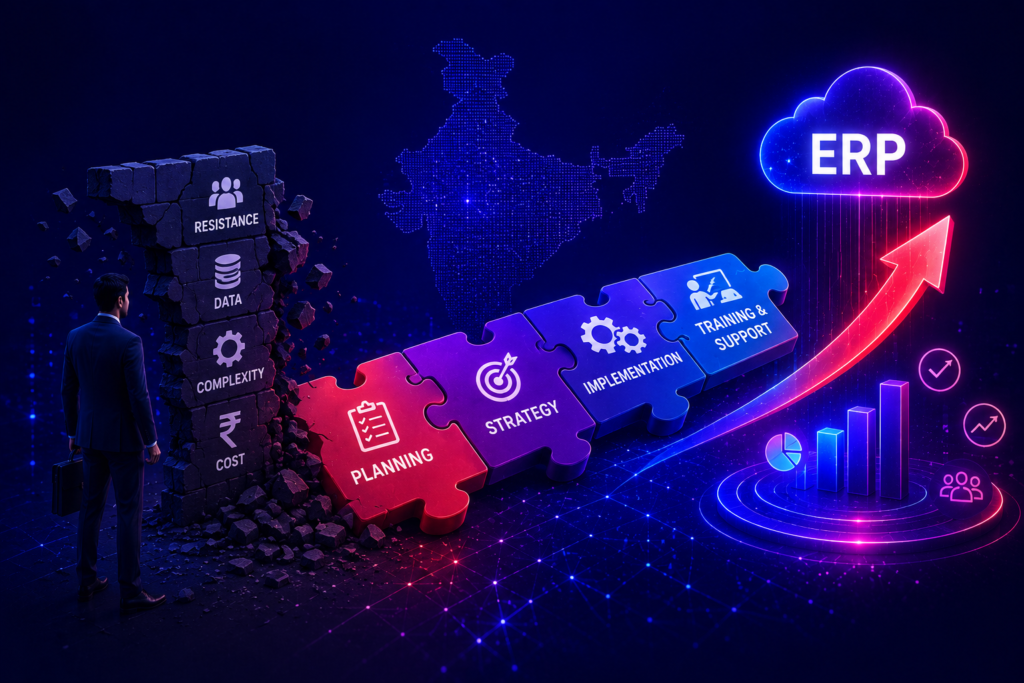
Using cloud ERP solutions in the Indian market comes with its own set of challenges. The benefits of going digital are clear. But, the journey to adoption needs careful planning to avoid common mistakes.
Businesses must focus on both technical and organizational readiness. This ensures a smooth transition to new systems.
Change Management and Employee Training
Change can be hard for people. Employees might feel lost when moving from old ways to new, cloud-based systems. Effective change management means explaining the benefits clearly.
Training is key to fill skill gaps. Offer hands-on workshops to show how these tools make work easier. When staff is confident, productivity will rise.
Selecting the Right Cloud ERP Partner
Choosing a vendor is a big decision that affects your success for years. A good partner knows the Indian market well. They should have a plan that matches your growth goals.
Also, your partner must focus on security and regulatory compliance. Keeping your data safe and meeting legal standards is essential. A partner who gets this will help you avoid big problems.
Evaluating Vendor Support and Local Expertise
Look for vendors with a strong local presence. Local expertise means they can help you quickly during your business hours. This is key for solving problems and keeping systems running smoothly.
Here’s what to look for in a partner:
| Evaluation Criteria | Importance Level | Focus Area |
| Local Support Availability | High | 24/7 Regional Helpdesk |
| Regulatory Compliance | Critical | GST and Local Tax Laws |
| Data Security Protocols | Critical | Encryption and Sovereignty |
| Scalability Options | Medium | Modular Growth Features |
By focusing on these areas, your business can successfully use cloud ERP solutions. A good partner will keep your data safe and help you follow the rules. They will also help you innovate and grow.
Future Trends Shaping Cloud ERP Adoption
The next big change in digital transformation will impact how Indian businesses manage their resources. As cloud adoption grows, companies are moving to smarter systems. These changes help them stay ahead in a fast-changing world.
Artificial Intelligence and Machine Learning Integration
Artificial Intelligence (AI) and Machine Learning (ML) are changing how software works with daily tasks. They analyze huge amounts of data to give predictive insights. This helps leaders stay ahead of market changes.
Automation is now more advanced. It uses data analytics to make complex tasks easier. Machines learn from past data to help managers make better real-time decisions.
The Role of Internet of Things in Supply Chain Management
The Internet of Things (IoT) connects physical assets to digital systems. This gives companies full control over their inventory. It’s a big step forward for supply chain management in India.
IoT makes automated inventory replenishment possible. It orders more stock when levels get low, avoiding delays. This use of data analytics helps companies save money and improve their logistics. It supports the goals of cloud adoption and real-time decision making.
Conclusion
Modern businesses in India face a big change. Cloud ERP technology is now a must, not just a choice. It helps them stay ahead in the fast world market.
Companies that adopt this technology get a big edge. They can manage their money better with subscription plans. This lets them spend more on new ideas, not just keeping old systems running.
Success comes from making every part of the business work better. With cloud ERP, managers can make smart decisions easily. This helps businesses grow without limits.
Digital change is key to lasting success. Businesses that invest in cloud ERP today are building a strong future. Start your journey to a smarter business to stay ahead in India’s economy.