
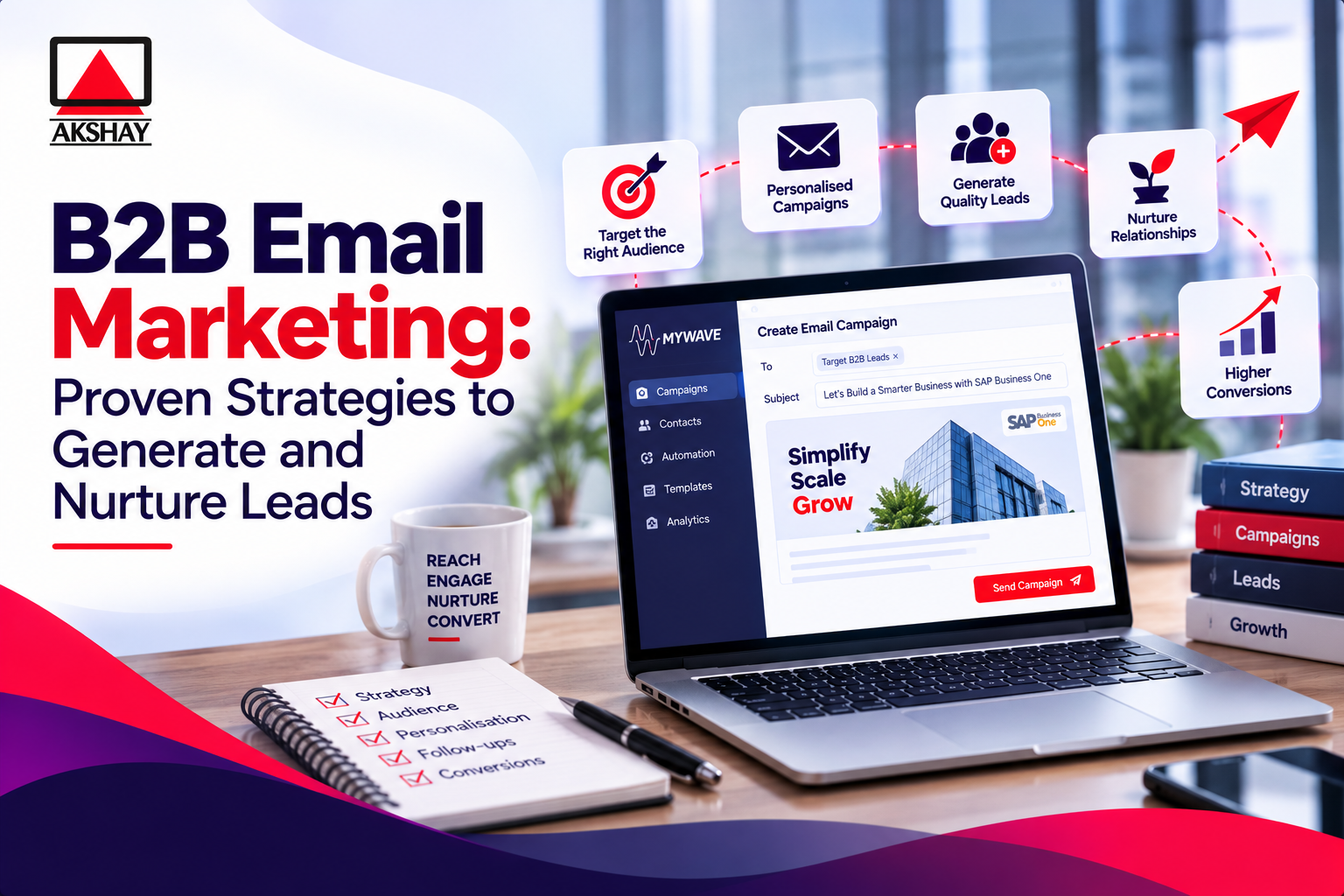
In India’s competitive market, companies need more than just outreach. They must build lasting professional connections. B2b email marketing is key for growth, turning cold prospects into loyal partners.
For lead generation, move from random blasts to a planned, permission-based method. Focus on content that adds value. This builds trust and boosts conversion rates.
This guide will show you top email marketing strategies to improve your sales funnel. We’ll cover list segmentation, automation, and advanced analytics. Your digital messages will drive real revenue.
Key Takeaways
- Prioritize permission-based acquisition to build a high-quality contact list.
- Use segmentation to deliver personalized content that resonates with specific industry needs.
- Implement automation to nurture prospects through every stage of the buying journey.
- Analyze performance metrics to optimize your outreach and improve ROI.
- Focus on long-term relationship building instead of quick sales.
Set B2B Email Marketing Goals That Support Revenue
Success in b2b email marketing starts with clear goals. When your campaigns match your business goals, your emails become a powerful engine for growth.
Step 1: Define the Business Outcome for Each Campaign
Connect email goals to pipeline, meetings, sales opportunities, and revenue
Every email should have a clear purpose in your sales cycle. Focus on goals that boost your pipeline value and profits.
Choose measurable objectives for lead generation, nurturing, retention, and reactivation
Set goals for new leads or reactivating old ones. Make sure these goals are easy to measure. This lets you see how well your business to business marketing works.
Step 2: Identify the Ideal Customer Profile
Document company size, industry, location, technology use, and buying triggers
To find the right people, know who they are. In India, knowing industry vertical and geographic location helps tailor your messages.
Map decision-makers, influencers, users, and procurement stakeholders
Knowing who to reach is key. Map your stakeholders to ensure your content reaches the right person, boosting your chances of success.
Step 3: Select Email Marketing Key Performance Indicators
Track qualified leads, conversion rate, reply rate, meetings booked, and pipeline value
Your email analytics should track actions that show real interest. Focus on metrics that show meaningful business results.
Use open rates cautiously because of privacy-related tracking limitations
Open rates are not always reliable due to privacy laws. Focus on conversion-based metrics for better data.
| Metric Category | Primary KPI | Business Impact |
|---|---|---|
| Lead Quality | Qualified Leads | Higher Sales Velocity |
| Engagement | Reply Rate | Increased Conversation |
| Revenue | Pipeline Value | Direct Growth |
| Efficiency | Meetings Booked | Sales Productivity |
Build a Permission-Based B2B Email List in India
Creating a top-notch email list in India needs a smart plan. Sustainable growth comes from getting people who really want to hear from you. This way, your lead generation will get better results.
Step 1: Create Valuable Lead Capture Offers
Offer practical resources such as industry reports, calculators, checklists, and webinars
To grab the attention of busy decision-makers, you need to offer something useful right away. A detailed industry report or a special ROI calculator can be a great reason for people to give you their contact info. These tools show your brand is a trusted authority in India.
Match each offer to a specific buying stage and customer pain point
Not everyone is ready to buy right away. Match your content with the problems your audience faces at different stages. A simple checklist might be good for early-stage researchers, while a detailed webinar is better for those evaluating solutions.
Step 2: Use High-Intent Business Acquisition Channels
Combine website forms, LinkedIn outreach, trade events, partner referrals, and search campaigns
Using different ways to get in touch with prospects helps you reach them where they’re most active. Whether it’s through email outreach on LinkedIn or at big trade events, being consistent is key. A mix of organic and paid search campaigns brings in more qualified visitors to your landing pages.
Capture explicit consent instead of relying on purchased or scraped email databases
Lists bought or scraped can lead to high bounce rates and harm your reputation. Always get explicit consent to keep your messages welcome. This builds trust, which is key for lasting success.
Step 3: Design Conversion-Focused Signup Forms
Request only the information needed for qualification and personalization
Make your forms short to make it easy for people to sign up. Asking for too much info too soon can scare them off. Focus on getting the basics that let you email list segmentation later.
Explain the content subscribers will receive, the expected frequency, and the sender identity
Being clear about what you’ll send and how often is important. Tell subscribers what to expect, including the type of content and how often you’ll email. This helps keep them engaged and reduces the chance they’ll unsubscribe.
Step 4: Apply Indian Privacy and Commercial Communication Safeguards
Align data collection and processing with India’s Digital Personal Data Protection Act requirements
Following the Digital Personal Data Protection Act is a must in today’s digital world. Make sure your data collection meets these rules. Protecting user privacy is a big part of lead generation.
Review applicable commercial communication, consent, unsubscribe, and record-keeping obligations
Keep detailed records of when and how you got consent. Check your unsubscribe process often to make sure it’s easy and works well. Staying compliant keeps your brand safe and builds a good relationship with your audience.
| Channel Type | Primary Benefit | Intent Level | Compliance Ease |
|---|---|---|---|
| LinkedIn Outreach | Targeted Networking | High | Moderate |
| Industry Webinars | Deep Engagement | High | High |
| Search Campaigns | Scalable Reach | Medium | High |
| Trade Events | Relationship Building | High | High |
Segment Contacts for More Relevant Email Campaigns
Using email list segmentation helps send the right message at the right time. By breaking your list into smaller groups, your content meets your audience’s needs better.
Step 1: Segment by Firmographic and Geographic Data
Group contacts by industry, company size, revenue, job function, and Indian region
Begin by sorting your data by firmographics. This way, you can offer solutions that match a decision-maker’s specific issues.
Create market-specific segments for cities such as Bengaluru, Mumbai, Delhi, Hyderabad, and Chennai
Indian market trends vary by region. Mentioning local events or trends in cities like Bengaluru or Mumbai can boost your open rates.
Step 2: Segment by Buying Stage and Account Status
Separate new subscribers, marketing-qualified leads, sales-qualified leads, customers, and inactive contacts
Change your message as a prospect moves through the sales funnel. New subscribers need basic info, while sales-qualified leads need proof of ROI and case studies.
Build account-based segments for strategic companies and active sales opportunities
Focus on high-value accounts to support your sales team. This email list segmentation keeps your top prospects engaged with personalized messages.
Step 3: Segment by Engagement and Behavioral Signals
Use page visits, content downloads, webinar attendance, replies, and previous purchases
Behavioral data shows what your prospects are interested in. If someone downloads a whitepaper on cloud security, send them more related content.
Set engagement thresholds that trigger follow-up, suppression, or reactivation campaigns
Use these signals to know when to call a lead. Also, suppress inactive contacts to protect your sender reputation and keep your metrics good.
Step 4: Keep Segmentation Practical and Maintainable
Start with a few actionable segments instead of creating excessive micro-segments
Too much complexity can be a problem. It’s better to manage a few key segments well than to struggle with many.
Define naming conventions, data owners, and regular list-cleaning procedures
Being consistent is key to successful email list segmentation. Make sure to have clear data owners and a routine for cleaning your list.
Plan a B2B Email Marketing Funnel From First Touch to Conversion
Mapping your content to the buyer’s journey is key to business to business marketing. Aligning your messaging with your audience’s needs creates a smooth path to purchase. A well-structured funnel keeps your email campaigns relevant and helpful at every step.
Step 1: Map Content to the Awareness Stage
Use educational emails to explain industry problems, trends, risks, and business opportunities
At the start, your goal is to add value without asking for a sale. Identify the pain points your prospects face in the Indian market. Use your emails to highlight trends and risks that could affect their operations.
Build trust with research, expert insights, customer challenges, and useful frameworks
Be seen as a thought leader by sharing original research and expert analysis. When you offer actionable frameworks, you help prospects solve small problems. This builds credibility to move them deeper into your funnel.
Step 2: Develop Consideration-Stage Email Campaigns
Show how solutions work through guides, product education, comparison resources, and webinars
Once a prospect recognizes their problem, they start evaluating solutions. Share detailed guides and product education materials. Webinars and comparison charts show how your solution stands out.
Address implementation concerns, integrations, pricing factors, and stakeholder objections
Proactive communication is key in this phase. Address common technical hurdles, like software integrations or implementation timelines, in your email campaigns. Early answers reduce friction and help build a strong business case.
Step 3: Create Decision-Stage Conversion Paths
Use consultations, demonstrations, audits, trials, and tailored proposals as calls to action
When a lead is ready to decide, offer a clear path forward. Provide low-risk entry points like a free audit or a personalized demo. These interactions show the specific value your solution brings.
Give prospects clear next steps without forcing an immediate sales conversation
Avoid aggressive tactics that might scare off a cautious buyer. Instead, offer clear, low-pressure calls to action. This approach respects their time while keeping your brand in mind.
Step 4: Connect Marketing and Sales Handoffs
Set lead-scoring and qualification criteria before transferring contacts to sales
Effective business to business marketing needs tight alignment between departments. Define clear lead-scoring criteria so only qualified prospects reach your sales team. This ensures your sales team focuses on the most promising opportunities.
Provide sales teams with engagement history, content interests, and account context
Empower your sales team by sharing a prospect’s full interaction history. Knowing which whitepapers a lead downloaded or which webinars they attended helps tailor outreach. This turns a cold call into a meaningful conversation.
| Funnel Stage | Primary Goal | Content Type | Success Metric |
|---|---|---|---|
| Awareness | Build Trust | Industry Trends | Email Open Rate |
| Consideration | Educate | Webinars/Guides | Click-Through Rate |
| Decision | Convert | Trials/Demos | Conversion Rate |
| Handoff | Align Teams | Lead Context | Sales Acceptance |
Write B2B Emails That Earn Attention and Action
Your B2B email campaigns need to grab the attention of busy decision-makers. In a crowded inbox, your message must offer immediate value to stand out. Focus on clarity and relevance to turn your outreach into a powerful tool for growth.
Step 1: Create Specific Subject Lines and Preview Text
Lead with a relevant business outcome, problem, insight, or timely trigger
The subject line is key for driving open rates. Always start with a specific business outcome or a timely industry trigger that matches the recipient’s current priorities.
Avoid exaggerated claims, misleading urgency, excessive punctuation, and spam-associated wording
Professionalism builds trust. Stay away from too much punctuation or aggressive sales language that might trigger spam filters. Keep your tone real and authentic to ensure your email campaigns land in the primary inbox.
Step 2: Structure Emails for Busy Decision-Makers
Open with the recipient’s challenge, explain the value, and present one logical next action
Decision-makers often scan emails quickly. Start by addressing a specific challenge they face, then explain how your solution adds real value. Finish with one clear, logical next step to make it easy for them.
Use short paragraphs, descriptive subheads, bullets, and scannable formatting
Big blocks of text scare people off. Use short paragraphs and bullet points to make your content highly scannable. This way, you respect their time and boost the chance of a response.
Step 3: Personalize Beyond First Names
Reference industry context, role responsibilities, account priorities, or recent business activity
True personalization goes beyond just a name. Mention specific industry trends, recent company news, or the unique responsibilities of the recipient’s role to show you’ve done your homework.
Use dynamic content only when the underlying data is accurate and useful
Dynamic content can make your emails more relevant, but only if the data is right. Make sure your CRM data is up-to-date before using personalized fields in your email campaigns to avoid mistakes.
Step 4: Build Credibility and Trust
Include specific evidence such as quantified outcomes, customer examples, certifications, or expert commentary
Support your claims with hard evidence. Show quantified outcomes or relevant case studies to prove your point and win trust.
Make the sender identity, company details, contact information, and unsubscribe option clear
Being open is key for trust and compliance. Make sure the sender identity is clear and all company contact details are easy to find in the email footer.
Step 5: Write Calls to Action That Match Intent
Use low-friction actions for early-stage leads and higher-commitment actions for qualified prospects
Your call to action (CTA) should match the prospect’s stage. Early-stage leads prefer simple requests, while qualified prospects are ready for a direct conversation.
Test action-oriented language such as “review the benchmark,” “watch the demo,” or “schedule a consultation”
Use specific, action-oriented language to guide the reader. The table below shows how to match your CTA to the prospect’s intent:
| Buying Stage | Goal | CTA Example |
|---|---|---|
| Awareness | Education | Review the industry benchmark |
| Consideration | Engagement | Watch the product demo |
| Decision | Conversion | Schedule a consultation |
By improving these elements, your email campaigns will consistently deliver value. Consistency in your messaging will help you build stronger, more profitable relationships with your target accounts.
Use Email Automation to Nurture Leads Consistently
Email automation is key for a great lead nurturing plan. It helps your team stay in touch with every prospect. This way, no lead is left behind, no matter how many you get.
Step 1: Create a Welcome and Orientation Workflow
Confirm the subscription, deliver the promised resource, and set expectations for future emails
The first email sets the tone for your whole relationship. Right away, confirm their subscription and give them the whitepaper or case study. Tell them what kind of emails they can expect later.
Introduce the company’s expertise without immediately pushing a sales pitch
Start by sharing useful insights, not hard sales. Show your brand as a trusted advisor in India. This builds trust before you dive into sales.
Step 2: Build Educational Lead-Nurturing Sequences
Deliver a logical series that moves from problem education to solution evaluation
Good email automation takes the reader on a journey. First, talk about common problems. Then, show your solution as the next step. This makes them feel informed, not pushed.
Adjust content for different industries, roles, use cases, and buying timelines
Every B2B case is unique. Customize your messages for different roles and needs. Segmenting your emails keeps them highly relevant to each business’s goals.
Step 3: Trigger Follow-Up Based on Behavior
Send relevant follow-ups after downloads, webinar attendance, pricing-page visits, or repeated engagement
Use email automation to act fast on user actions. If someone checks your pricing page, send a follow-up about your ROI. This catches their interest when they’re most active.
Pause or change sequences when a lead replies, books a meeting, or enters an opportunity stage
Smart workflows adapt to changes. If a lead books a meeting, stop the nurturing emails. This keeps your communication professional and focused on the next sales step.
Step 4: Create Customer and Re-Engagement Automations
Support onboarding, adoption, cross-selling, renewals, and customer advocacy
Automation helps with customer success too. Use emails to guide new clients or highlight new features. These actions build loyalty and open up cross-selling chances.
Use win-back sequences for inactive contacts before suppressing those who remain unresponsive
Try to re-engage dormant contacts with a series of valuable emails. If they don’t respond, remove them to protect your sender reputation. Keeping your list clean is essential for good delivery rates.
Design Automated Email Outreach Without Sacrificing Relevance
You can make your cold outreach better by focusing on being relevant, not just fast. Email automation helps you scale, but it can feel impersonal if you use the same templates for everyone. It’s important to mix technical skills with understanding people to make every message feel personal.
Step 1: Research Prospects Before Sending Outreach
Identify a credible business reason for contacting each person or account
Good email outreach starts with a clear reason. Make sure you have a good reason to reach out, like a company growing, a new product, or changes in rules.
Use public business information responsibly and avoid unsupported assumptions
Use sites like LinkedIn or company news to find data. Always check your facts to avoid making wrong guesses that could hurt your reputation.
Step 2: Create a Short, Personalized Outreach Sequence
Lead with a relevant observation, connect it to a business problem, and offer useful value
Start with something specific you found out. Then, link it to a problem they might face. Offer a real solution or resource to help them.
Plan respectful follow-ups that add new context instead of repeating the same request
Don’t send the same email over and over. Use follow-ups to share new things, like a case study or an event invite.
Step 3: Coordinate Email Outreach With Other Channels
Align email with LinkedIn engagement, calls, events, partner introductions, and sales activity
Your online strategy should fit into a bigger plan. When you talk to someone on LinkedIn or meet them, your emails should match those interactions to tell a cohesive story.
Maintain consistent messaging and frequency across the account’s buying journey
Being consistent builds trust. Keep the tone and message the same, whether it’s an email, a call, or social media.
Step 4: Establish Outreach Boundaries
Honor opt-outs, suppression lists, contact preferences, and reasonable sending frequency
Respecting people’s time is key. Always keep your lists up to date and respect unsubscribe requests right away.
Stop automated outreach when a prospect responds negatively, requests removal, or becomes a customer
Automation needs to have a way to stop. If someone says no or buys something, take them out of your emails to avoid unnecessary trouble and keep your brand good.
Improve Deliverability Before Scaling Email Volume
Deliverability is key to your B2B marketing success. Before you send more emails, make sure your messages get to the inbox. Use email analytics to find and fix problems early.
Step 1: Authenticate the Sending Domain
Configure SPF, DKIM, and DMARC records for the sending domain
Authentication protocols are like digital passports for your emails. By setting up SPF, DKIM, and DMARC, you prove your identity to ISPs. This step stops fake emails and boosts your sender score.
Use a professional business domain and keep technical ownership documented
Always send from a business domain, not a generic one. Keep your DNS settings and technical info up to date. This builds trust with inbox providers over time.
Step 2: Protect Sender Reputation
Increase volume gradually and monitor bounces, complaints, blocks, and engagement
Don’t send too many emails at once. Slowly increase your volume and watch for bounces and complaints. This way, you can adjust before your reputation gets hurt.
Separate promotional, transactional, and outreach streams when appropriate
Don’t mix different emails. It confuses filters and hurts deliverability. Keep your marketing emails separate from transactional ones. This way, important updates aren’t delayed by promotional emails.
Step 3: Maintain a Healthy Email List
Remove hard bounces, invalid addresses, role accounts, and persistent non-engagers
A clean list is essential for good engagement. Get rid of hard bounces and invalid addresses. Also, remove role-based accounts to avoid spam reports.
Use confirmed opt-in when suitable for the audience, offer, and compliance program
Confirmed opt-in means every subscriber really wants to hear from you. It boosts engagement and protects your reputation.
Step 4: Test Inbox Experience Across Devices
Check rendering, links, images, plain-text fallback, load speed, and mobile readability
Your emails must look good on all devices. Use email analytics to check how they look on different clients. A bad layout or slow load can lose interest fast.
Prevent deceptive content, broken personalization, and attachments that create security concerns
Avoid fake subject lines and suspicious attachments. Make sure your personalization tags work right. Here’s what to watch during testing:
| Metric | Goal | Action |
|---|---|---|
| Bounce Rate | < 2% | Clean list |
| Open Rate | > 20% | Test subject lines |
| Click-Through | > 3% | Optimize CTA |
| Spam Reports | < 0.1% | Review content |
Measure Email Analytics and Connect Results to Pipeline
Linking your email success to real money is key for a strong marketing plan. By focusing on real results, you see how your email campaigns help your business grow. This way, every email you send helps reach your big goals.
Step 1: Build a Complete Measurement Framework
Track delivery, bounce rate, click-through rate, replies, conversions, and unsubscribe rate
Start by checking if your emails get to the right place. Watch delivery and bounce rates to make sure. Also, keep an eye on click-through rates and replies to see if people like what you’re saying.
Connect email activity with CRM stages, opportunities, revenue, and customer retention
The real power of email analytics is linking it to your CRM. By matching email actions to CRM stages, you see how fast deals move. This shows how your emails help keep customers and grow your income over time.
Step 2: Use Consistent Campaign Tracking
Apply standardized UTM parameters and campaign names across every email channel
For good data, be consistent. Use the same names for UTM parameters in all emails. This makes sure your analytics tool knows where to put each click.
Keep source, medium, content, audience, and offer data consistent in analytics platforms
Make sure your data fields are the same everywhere. This stops mistakes in your reports. When your data is the same, you can easily compare how different things work.
Step 3: Analyze Performance by Segment
Compare results by industry, role, company size, location, buying stage, and engagement level
Good email list segmentation shows which groups like your emails best. By looking at how different groups do, you can make your emails better for each one. Here’s how different groups might do:
| Segment | Engagement Rate | Conversion Potential |
|---|---|---|
| Enterprise IT Managers | High | Strategic |
| SMB Founders | Medium | Transactional |
| Mid-Market Operations | Low | Long-term |
Identify which segments generate qualified conversations instead of just clicks
Not all clicks are the same. Look for groups that lead to real sales talks. Focus on these groups to make your email list segmentation better.
Step 4: Report Insights in Business Terms
Summarize campaign contribution to meetings, opportunities, pipeline velocity, and revenue
When you report, talk about how your email campaigns help your business. Show how they lead to more meetings and faster pipeline growth. This shows the value of your marketing.
Distinguish correlation from direct attribution when evaluating email’s role in complex B2B journeys
B2B buying paths are not always straight. It’s key to know the difference between direct impact and overall effect. Email analytics help you see how email helps the customer journey, even if it’s not the last step.
Optimize Email Campaigns Through Structured Testing
Using data to improve your campaigns can make them much better. By using email marketing strategies, you can make smart choices based on real data.
Step 1: Prioritize High-Impact Variables
Test offers, audience segments, calls to action, email length, send timing, and message angles
Focus on what really matters for your campaigns. Small adjustments to your message or call to action can make a big difference.
Avoid changing several major variables at once when seeking a clear result
Test one thing at a time to get clear results. If you change too many things at once, you won’t know what worked.
Step 2: Run Reliable A/B Tests
Define the primary success metric and test duration before launching an experiment
Know what you’re testing before you start. This way, you can understand the results better.
Use a sufficiently large audience and avoid declaring winners from insignificant differences
Make sure your tests are big enough to be meaningful. This helps avoid false positives.
Step 3: Improve Timing and Frequency
Compare send times across Indian business hours, time zones, and audience work patterns
The Indian market has its own rhythm. Test different send times to find the best one for your audience.
Give subscribers control through preference centers and frequency options
Let your audience decide how often they want to hear from you. This can lead to happier subscribers.
Step 4: Turn Findings Into a Repeatable Process
Record hypotheses, audience details, results, and follow-up actions in a testing log
Keep a log of your tests. This helps your team learn from each experiment.
Apply successful findings selectively instead of treating one winning test as a universal rule
Every audience is different. Always test your findings in different groups before making them standard.
Build a Scalable B2B Email Marketing Operating System
A professional operating system changes how your team handles outreach. It makes sure your business to business marketing stays strong as you grow. This setup leads to success in every campaign.
Step 1: Select the Right Email and CRM Infrastructure
Evaluate automation, segmentation, integrations, reporting, security, and data residency needs
Your tech stack must handle email automation well and follow local data laws. In India, choose platforms that keep data safe and follow privacy rules. Security is not optional; your tools should have top-notch encryption and control access.
Connect the email platform with CRM, website forms, webinar tools, customer support, and analytics
Integration makes your customer data one place. When your CRM and email engine talk, you can send messages that fit each customer’s actions. This way, your sales team sees all interactions, from webinars to support tickets.
Step 2: Define Team Ownership and Approval Processes
Assign responsibility for strategy, copy, design, data quality, compliance, and campaign operations
Clear roles stop bottlenecks and cut down errors in your business to business marketing flow. Give specific jobs for creative work, data, and legal stuff. When everyone knows their part, work moves faster and more accurately.
Use a review checklist for claims, links, personalization, accessibility, and consent controls
A checklist is your last check before sending emails. Make sure links work and personalization is right. Accessibility reviews help reach everyone, and strict consent keeps your reputation safe.
Step 3: Create a Sustainable Editorial Calendar
Balance educational content, product communication, customer proof, events, and sales enablement
A balanced calendar keeps your audience interested without being too much. Mix educational content with product news and customer success stories. This mix adds value at every step of the buyer’s journey.
Coordinate campaigns to prevent overlapping messages and audience fatigue
Plan your campaigns to avoid sending too many emails at once. Use a calendar to see your messages across all groups. This way, you respect your busy decision-makers’ time.
| Operational Component | Basic Maturity | Advanced Maturity |
|---|---|---|
| Data Integration | Manual CSV uploads | Real-time API sync |
| Content Strategy | Ad-hoc planning | Quarterly editorial calendar |
| Compliance | Basic opt-out | Full consent lifecycle management |
| Reporting | Open rates only | Revenue attribution modeling |
Turn Email Marketing Strategies Into a 90-Day Action Plan
To make your b2b email marketing in India strong, you need a 90-day plan. This plan helps you grow your business step by step. It keeps you from feeling too busy.
Days One to Thirty: Establish the Foundation
Define goals, audit existing data, confirm permissions, authenticate the domain, and select priority segments
First, set clear goals for your business. Check your data to make sure it follows local rules. Domain authentication is key to get your emails to the right place. Pick your main groups to focus on.
Create the core lead magnet, signup flow, welcome email, and initial measurement framework
Make a valuable thing to get more leads online. Create a smooth way for people to sign up. Send a welcome email right away. Also, set up a way to track how well you’re doing from the start.
Days Thirty-One to Sixty: Launch the First Campaigns
Publish a segmented nurture sequence and a focused email outreach program
It’s time to share your content in a planned way. Start a email outreach program to talk to people who really want to hear from you. This helps grab attention and build relationships.
Coordinate sales handoffs and review deliverability, engagement, and lead quality weekly
Make sure leads go to the right sales people. Check your deliverability metrics and how people are interacting with your emails every week. Use this info to make your leads better.
Days Sixty-One to Ninety: Optimize and Expand
Run controlled tests, refine scoring, improve underperforming content, and remove unhealthy contacts
Use the first two months’ data to test your emails. Make your lead scoring better to find the best prospects. Clean your list to keep your b2b email marketing healthy.
Scale the best-performing segments and automate additional customer or re-engagement journeys
Find your top groups and grow your reach. Start automated emails to bring back old leads. This last part makes your email outreach grow and keep going.
| Phase | Primary Focus | Key Deliverable |
|---|---|---|
| Days 1-30 | Infrastructure & Compliance | Authenticated Domain & Lead Magnet |
| Days 31-60 | Execution & Handoffs | Active Nurture & Sales Alignment |
| Days 61-90 | Optimization & Scaling | Refined Scoring & Automation |
Conclusion
Building a sustainable revenue engine is more than sending messages now and then. It needs a system that works with your business goals. This system should be part of your email marketing strategies.
Good email marketing connects growing your list with keeping people engaged. It uses automated messages and smart groups to make each interaction count. This helps leads move from first contact to buying.
This guide gives you a 90-day plan to make these ideas work. You can improve how messages get to people, test new things, and see how well they work. This helps your sales pipeline.
Contact Us & See your outreach as a cycle of getting, keeping, and bringing back leads. Treating all your communication as one system can make your database powerful. Start using these email marketing tips today to build strong relationships and grow your business.