
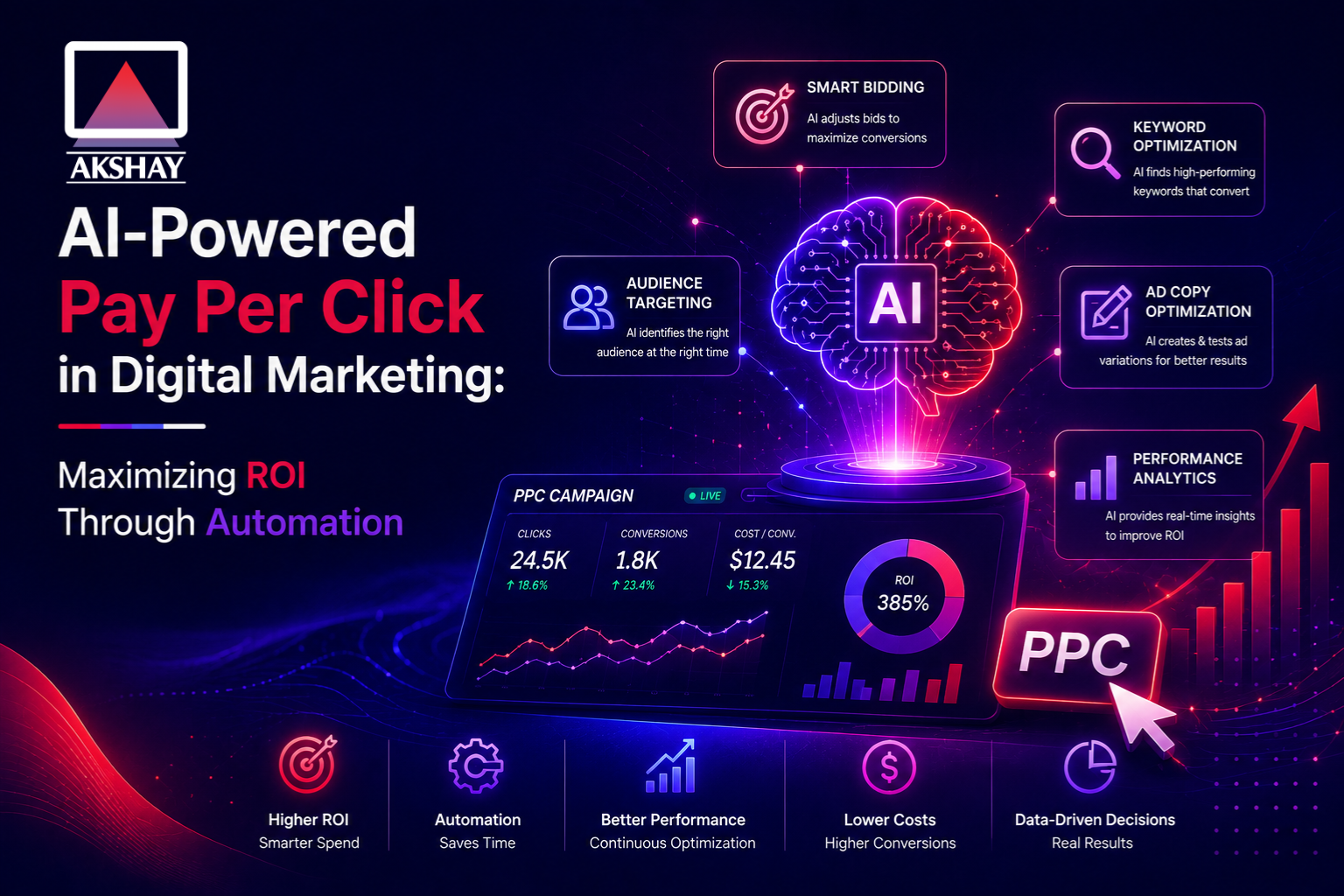
The world of online ads is changing fast. Companies need to use AI-powered PPC to keep up. This change moves from doing things by hand to using smart, data-based systems.
Using these new tools helps brands be more precise. This change is key for any business wanting to boost digital marketing ROI well. Old ways can waste money and miss chances.
Today, businesses see automation as a must, not a nice-to-have. Using pay per click in digital marketing with AI lets for quick changes. This makes sure your ads hit the right people at the best time, helping your business grow in India.
Key Takeaways
- Artificial intelligence changes how brands handle ad budgets.
- Automation replaces manual tasks to boost campaign accuracy.
- Data-driven systems are key for better returns on investment.
- Quick changes help businesses stay ahead in busy markets.
- Smart technology is now a must for lasting growth.
The Evolution of Pay Per Click in Digital Marketing
Looking back at online ads shows why automation is key now. The world of pay per click in digital marketing has moved from simple tasks to complex systems. This change means moving from old, fixed plans to new, smart growth.
From Manual Bidding to Algorithmic Precision
At first, marketers set bids for each keyword by hand. This was very time-consuming and didn’t handle sudden changes well. Humans couldn’t handle the huge amounts of data from daily searches.
Then, algorithms came in, using machine learning to make quick decisions. These systems look at past results, what users want, and what others are doing. Automation ensures steady results that humans can’t match at such a large scale.
Why AI is Essential for Modern PPC Campaigns
Artificial intelligence is now vital for any pay per click in digital marketing plan. Today’s campaigns need fast decisions to catch users ready to buy on many platforms. Without AI, brands might miss important chances to make sales.
AI models are great at finding patterns that humans can’t see. They use predictive analytics to guess what users will do next. This data-focused method makes sure every rupee spent brings in more money.
For businesses to keep up in India, using these technologies is a must. Adding machine learning to pay per click in digital marketing helps businesses quickly adapt to changing customer paths. Embracing this change is how businesses can grow steadily in today’s world.
Setting Up Your AI-Driven PPC Infrastructure
Success in India’s digital world needs a robust infrastructure for ads. This foundation lets you use AI-powered PPC well and control your spending. Without it, even top algorithms can’t give good results.
Selecting the Right AI-Enabled Ad Platforms
Picking the right place is key for PPC automation India. You need places that know local habits and can bid often. Top spots have tools for growing in many places.
- Google Ads: Has great machine learning for search and wide reach.
- Meta Ads: Uses advanced audience modeling for social and visuals.
- DV360: Has big programmatic control for big brand campaigns.
Integrating First-Party Data for Smarter Algorithms
Algorithms work best with good data. Giving them quality first-party data helps them find your best customers. This turns user actions into insights for better sales.
Begin by putting your customer data and website stats together. Connecting these lets the AI guess what customers will buy next. This data-driven approach keeps your auto-bidding on track with your goals.
Ensuring Data Privacy Compliance in India
As you grow, keeping data private is a must. India’s rules are changing, and your setup must respect user choices. A privacy-first approach keeps your brand safe and earns trust.
Make sure your tracking and data collection follow local rules. Being open builds a lasting PPC automation India model. Always check your data paths to keep user info safe and legal.
Step-by-Step Guide to Implementing Automated Bidding Strategies
Marketers in India are now using automated bidding strategies to keep up. This move away from manual changes lets machines quickly analyze lots of data. It makes sure your money is spent where it will do the most good.
Defining Your Campaign Objectives and KPIs
You need to know what success means for your brand before starting. It’s important to link your online goals with your business aims. Precision is key when picking the right metrics for your success.
Here are some key steps for setting your goals:
- Decide if you want more leads, direct sales, or to get people to know your brand.
- Set a realistic target Cost Per Acquisition (CPA) based on past data.
- Make sure your tracking pixels are set up right to track every user action.
Configuring Smart Bidding for Conversion Value
After setting your goals, you can use smart bidding techniques to get better results. Instead of just looking at clicks, focus on conversion value optimization to get the most from your ads. This way, the system bids more for users who are likely to buy more.
The algorithm looks at many things like device, location, and time to adjust bids fast. By focusing on conversion value, you help your ad budget grow in a good way. This smart change often makes your campaigns work better.
Testing and Scaling Automated Bidding Models
Stability is key when growing your automated campaigns. Start with small tests to see how the algorithm does against your goals. Keep watching to spot any problems before they cost you too much.
When the algorithm does well, you can slowly increase how much you spend. Don’t change your bids too fast, as this can mess up the model’s learning. Be patient and make changes based on data for lasting success.
Leveraging Machine Learning for Precision Audience Targeting
Modern digital ads use data to find the right people at the right time. Machine learning for marketing has changed how brands find their ideal customers online. Now, businesses can find high-value prospects with unprecedented accuracy.
Utilizing Predictive Analytics for Customer Segmentation
Predictive analytics lets marketers see the future by studying past user behavior. It finds patterns that show who is likely to buy. This way, your marketing budget goes to those who are genuinely interested in your products.
In the diverse Indian market, being precise is key to success. By segmenting audiences based on how engaged they are, brands can send messages that meet specific needs. This approach cuts down on wasted ad spend and improves campaign relevance across digital channels.
Dynamic Remarketing with AI-Driven Insights
Dynamic remarketing makes ads more personal by using past interactions. AI looks at what products a user has seen or added to their cart. Then, it creates personalized ad creative to bring that user back.
This automated process keeps your brand in mind without needing manual help. By showing the right offer at the right time, you boost your chances of making a sale. Here’s a table showing the main differences between old and new targeting methods.
| Feature | Traditional Targeting | AI-Driven Targeting |
| Data Usage | Static Demographics | Real-time Behavioral |
| Segmentation | Manual Grouping | Predictive Modeling |
| Ad Personalization | Generic Templates | Dynamic Content |
| Efficiency | Low to Moderate | High Optimization |
Optimizing Ad Creative and Copy with Generative AI
Generative AI for ads lets brands make more creative work fast. It changes how marketers design by making great visuals and text quickly. This helps companies keep their brand voice while making campaign assets fast.
Automating A/B Testing for Ad Variations
Old ways of testing take a lot of time and effort. AI ad creative tools let marketers make many ad versions at once. They check how well each one works right away.
Automated A/B testing makes guessing work out of campaign management. It tries many versions to find the best ones for your audience. This data-driven approach means your money goes to the most effective ads.
Personalizing Content for Diverse Indian Demographics
India is hard to reach because of its many languages and cultures. Making personalized ad content is key to grab people’s attention everywhere. Generative AI helps brands make messages that fit local languages and customs well.
Here’s how AI helps with reaching different areas:
- Language Localization: It changes text into local languages like Hindi, Tamil, or Bengali.
- Cultural Relevance: It makes visuals fit local festivals, traditions, and tastes.
- Dynamic Messaging: It makes offers that match what different groups want to buy.
Using these advanced tools, brands can connect more with their audience. Making ads that feel made just for each person is a big plus in India’s digital market.
Managing Cross-Platform Campaigns in the Indian Market
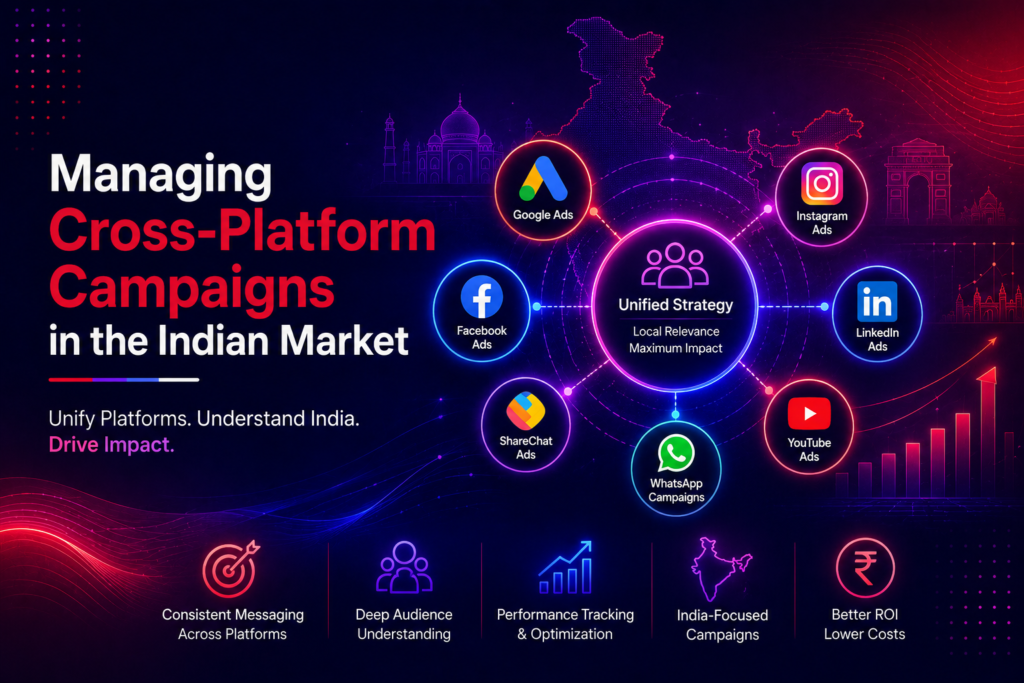
To succeed in Indian digital advertising, you need a single plan for all platforms. Brands face challenges in keeping their message the same across different channels. Advanced tech helps ensure every touchpoint shows your brand’s true identity and saves time.
Synchronizing Google Ads and Meta Ads via AI
Cross-platform ad management works best when data flows smoothly between search and social. AI tools now help teams sync Google and Meta bids in real-time. This means your budget goes to the best-performing areas, no matter the platform.
Using PPC automation India solutions makes your ads work together seamlessly. AI connects search and social, avoiding wasted money. This approach keeps you ahead in a busy market.
Adapting to Regional Language Nuances in Ad Copy
The Indian market’s diversity means more than just translating ads. Successful campaigns need to understand local dialects and culture. Generative AI creates ads that feel right for each area.
AI helps test different versions of ads for each region. This way, you find out what works best for each group. This PPC automation India keeps your ads culturally fitting while growing your reach. Here’s how different platforms help with these strategies:
| Platform Feature | Google Ads Strategy | Meta Ads Strategy | AI Integration Benefit |
| Audience Targeting | Search Intent Focus | Interest-Based Discovery | Unified Data Mapping |
| Language Support | Regional Keyword Bidding | Localized Creative Assets | Automated Copy Optimization |
| Budget Allocation | Conversion-Value Bidding | Dynamic Spend Scaling | Cross-Channel Efficiency |
| Performance Tracking | Conversion Attribution | Engagement Analytics | Holistic ROI Reporting |
Mastering cross-platform ad management means combining tech with storytelling. As Indian digital advertising grows, AI will lead the way. Keeping your message consistent builds trust with your audience over time.
Monitoring Performance Metrics and AI-Driven Analytics
AI systems give us lots of data. But, figuring out what’s important is hard. It’s key to check your automated systems to see if they’re making money. Without focus, you might get lost in data that doesn’t help your business.
Identifying Key Performance Indicators for Automation
Machine learning changes how we look at data. We should focus on important results, not just clicks. Look at metrics like conversion value and return on ad spend (ROAS). These show if your ads are really reaching valuable customers in India.
Consistency is key when tracking these metrics. Set clear goals for cost-per-acquisition (CPA). This way, you can catch any problems early and keep your campaigns profitable.
Interpreting AI-Generated Reports for Strategic Pivots
Today’s tools give us deep insights. But, AI-driven ad reporting only helps if you know what to do with it. Learn to tell apart short-term changes from lasting trends. A drop in performance might just be a seasonal thing, not a problem with the algorithm.
When you spot a trend, you can adjust your strategy. This could mean changing your budget or targeting your ads better. Getting good at this keeps your plans flexible and in line with your goals.
| Metric Category | Manual Focus | AI-Driven Focus |
| Primary Goal | Click-Through Rate | Conversion Value |
| Bidding Logic | Fixed CPC | Dynamic ROAS |
| Optimization | Daily Adjustments | Real-time Learning |
| Reporting Depth | Surface Level | Predictive Analytics |
Using AI-driven ad reporting gives you an edge online. Remember, the goal is to make every dollar count. Use these PPC performance metrics to make smart choices and keep your brand leading.
Mitigating Risks and Ensuring Brand Safety in Automation
Digital marketing today needs both fast machines and careful humans. Algorithms can handle lots of data but can’t understand complex cultural issues. Proactive management is key to make sure automated systems match your company’s values.
Setting Guardrails for Automated Ad Spend
Good ad spend optimization means setting clear limits in your ads. Without these, automated systems might spend too much during big events or when lots of people are online. Always use daily budget limits to keep your money safe.
Also, pacing controls help spread out your budget all day. This stops the algorithm from using all your money early in the morning when people might not be as interested. By setting strict guardrails, your money goes further and is more predictable.
Preventing Ad Placement on Irrelevant Content
To keep brand safety in AI, you need to control where your ads appear. Algorithms might choose places that don’t fit your brand. You must make lists of where not to show your ads.
Checking your ad placement reports often helps you spot and block bad sites. This is very important in India, where there’s a lot of different content. Consistent monitoring keeps your brand in good places.
| Risk Factor | Manual Strategy | Automated Strategy |
| Budget Control | Daily manual adjustments | Hard budget caps and pacing |
| Placement Quality | Hand-picked site lists | AI-driven exclusion filters |
| Brand Alignment | Human content review | Predictive safety algorithms |
Conclusion
Mastering automated advertising is key for digital success. AI-powered PPC tools offer the precision needed in the complex Indian digital world. Brands that use these tools can reach more people with the right message.
Automation doesn’t mean you don’t need a human touch. Success comes from combining AI’s power with human strategy. This mix ensures your brand stays on track and grows.
You now know how to improve your campaigns and get better results. Start using these automated strategies in your Google Ads and Meta Ads today. To stay ahead, keep up with new tools and ideas. Use them to make your digital marketing even stronger.