
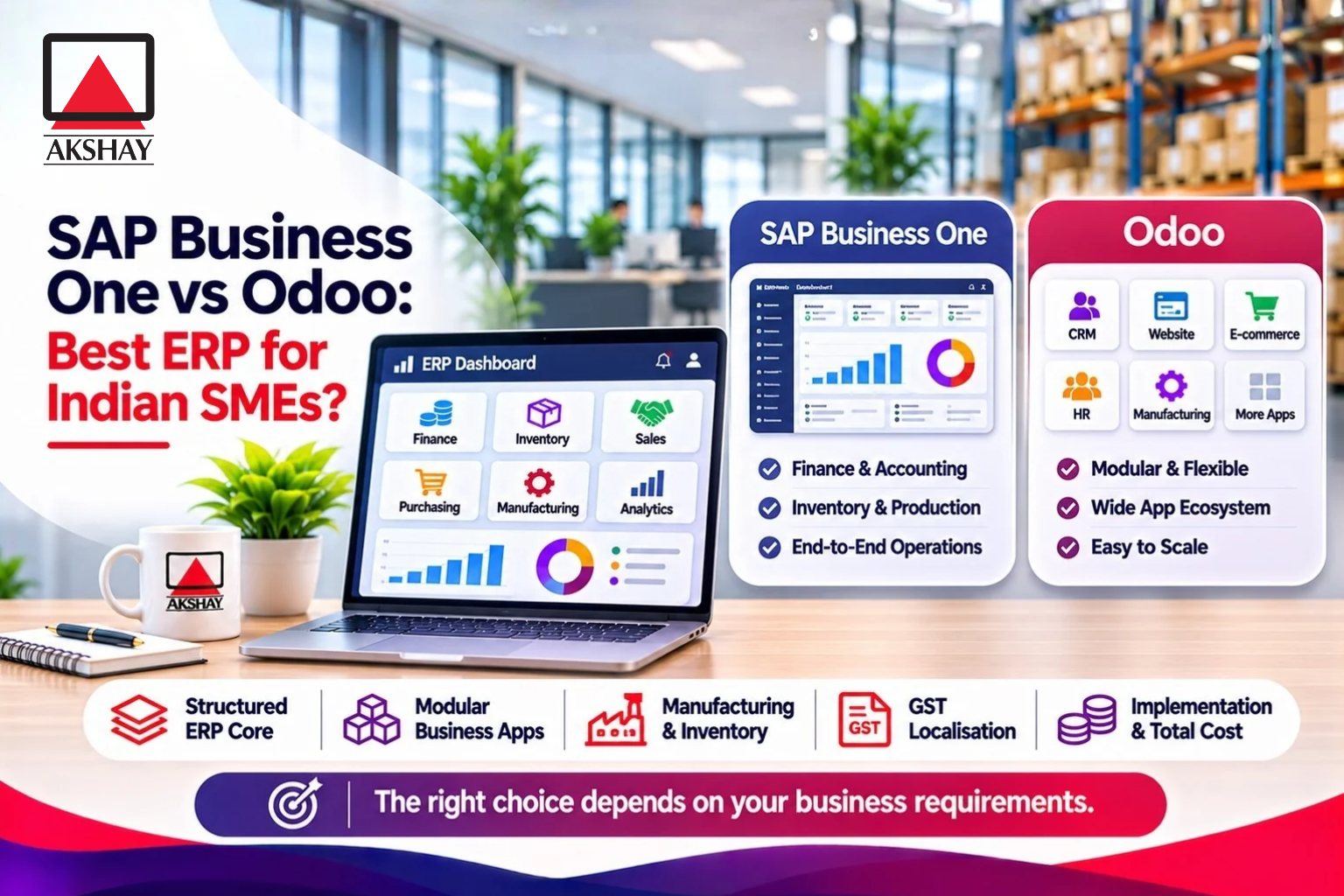
Choosing the right enterprise resource planning software is a critical milestone for growing companies in India. As local markets evolve, business owners face the difficult task of streamlining operations while managing costs effectively.
The debate regarding sap business one vs odoo often dominates boardroom discussions. Both platforms offer robust tools, yet they cater to different operational needs and technical budgets.
Indian small and medium-sized enterprises encounter unique hurdles, such as complex tax compliance and the need for scalable infrastructure. Finding a system that balances advanced functionality with ease of use is essential for long-term success. This guide helps you navigate these choices to find the perfect fit for your organization.
Key Takeaways
- Understand the core differences between top-tier ERP solutions for the Indian market.
- Identify how specific features address local regulatory and tax requirements.
- Evaluate the total cost of ownership for growing businesses.
- Learn which platform offers better scalability for your unique industry needs.
- Gain clarity on implementation timelines and support availability in India.
Assessing Your Business Requirements and ERP Readiness
Choosing the right ERP starts with understanding your company’s unique needs. Many business owners jump into software without checking their workflows first. This can lead to costly implementation failures and low user adoption.
Defining Operational Pain Points in Indian SMEs
Indian small and medium enterprises face many challenges. Issues like fragmented data, manual inventory tracking, and GST compliance are common. When teams spend too much time fixing data, growth slows down.
Finding these bottlenecks is key to a successful digital change. You need to see where data gets stuck and which departments struggle. This helps you know what your new ERP must offer.
Mapping Business Processes to ERP Capabilities
After finding your pain points, match them with the strengths of possible software. Not all ERPs are ready for the Indian market’s needs. Use a framework to make sure your chosen system fits your needs.
| Operational Area | Common Pain Point | Required ERP Capability |
|---|---|---|
| Finance | Manual GST filing | Automated tax reporting |
| Inventory | Stock discrepancies | Real-time tracking |
| Sales | Disconnected leads | Integrated CRM modules |
Strategic alignment is vital for success. Make sure the software you pick can improve your current processes. A system that doesn’t fit your workflows will become a problem.
Evaluating Scalability and Long-term Growth Goals
Your business and ERP should grow together. As your SME grows, your software must handle more transactions and new products. Scalability is key for a good investment.
Think about if the platform can grow with you. You might need basic accounting now but advanced supply chain or e-commerce later. Choose a flexible system to support your ambitious growth targets.
Understanding the Core Differences in SAP Business One vs Odoo
When looking at sap business one vs odoo, the system’s design is key. These two systems manage data and workflows in different ways. Knowing how they handle growth and complexity is important.
Architectural Philosophy: Monolithic vs Modular Design
SAP Business One uses a monolithic architecture. This means all business functions work together in one database. It’s great for businesses that like things consistent and standard.
Odoo, on the other hand, has a modular design. It’s like an app store for your business. You can start small and add more as you grow. This is perfect for Indian SMEs that grow in phases.
Deployment Flexibility: On-Premise, Cloud, and Hybrid Options
Businesses need options that fit their setup. SAP Business One offers on-premise and cloud versions. This meets the needs of both traditional and modern businesses.
Odoo is cloud-native and scalable. It’s easy on IT teams. Many choose hybrid deployments for security and flexibility. This way, they can grow without downtime.
User Interface and Ease of Adoption for Indian Teams
How easy software is to use affects adoption. SAP Business One has a structured interface. It’s good for teams that value discipline.
Odoo has a modern interface. It’s easy for users who are used to popular apps. This makes training faster for Indian teams.
| Feature | SAP Business One | Odoo | Best For |
|---|---|---|---|
| Architecture | Monolithic | Modular | Stability vs Agility |
| Deployment | On-Premise/Cloud | Cloud/SaaS/On-Premise | Infrastructure Needs |
| Interface | Structured/Classic | Modern/Web-based | User Experience |
Step-by-Step Guide to Evaluating SAP Business One
To evaluate SAP Business One, you need to understand its fit in the Indian business world. It’s made for growing enterprises to handle complex tasks well. By looking at its modules, you can see if it matches your future plans.
Analyzing SAP Business One for Financial Compliance and GST
In India, following regulatory rules is a must. SAP Business One has tools that make GST easier. These tools help your finance team with tax work and reports.
The system keeps your financial data the same everywhere. It puts GST right into the accounting module. This automated way keeps you ready for audits all the time.
Leveraging SAP Ecosystem and Global Best Practices
Using this platform opens up a world of global expertise. SAP uses industry-standard processes from years of experience. These methods help Indian SMEs work more efficiently.
The ecosystem also has local partners for support. They know the Indian market well and can customize the software for you. This global knowledge helps your company stand out.
Assessing Total Cost of Ownership and Licensing Models
Knowing the financial side is key. The total cost includes more than just the software fees. You need to think about setup, training, and upkeep costs too.
SAP Business One has different licensing options. You can pick what fits your budget and growth plans. Looking at these costs helps ensure your ERP choice is financially smart for the future.
| Cost Category | Description | Impact on Budget | Strategic Value |
|---|---|---|---|
| Licensing Fees | Upfront or recurring access | High initial impact | Core system access |
| Implementation | Setup and data migration | Moderate one-time cost | Operational efficiency |
| Maintenance | Updates and support | Low recurring cost | System longevity |
Step-by-Step Guide to Evaluating Odoo
Odoo is great for growing Indian businesses. It focuses on agility. You can start small and grow as your revenue does.
It lets you add more features as you need them. This keeps your team focused and productive.
Exploring the Modular Flexibility of Odoo Apps
The modular architecture of Odoo is its biggest strength. You can pick only the apps you need now. Then, add more later.
This stops your system from getting too big. It keeps it simple and efficient.
- Scalability: Add CRM, e-commerce, or manufacturing modules as you grow.
- Integration: All apps work well together, giving you one source of truth.
- User Experience: The same interface across all modules makes learning easier for your team.
Customization Capabilities for Niche Indian Business Models
Indian businesses often need special software. Odoo lets you change code or create custom modules. This fits your unique needs.
It’s key for following local rules or meeting market needs. Custom development helps your ERP support your success, not the other way around.
Reviewing the Open-Source Advantage and Community Support
Open-source solutions offer big benefits. You get a huge global community of developers. They help improve the platform.
This means you’re not stuck with one vendor’s plans. It’s great for Indian SMEs.
- Cost Efficiency: Save money with lower licensing fees than big ERP systems.
- Local Expertise: Find Indian partners and developers who get local business needs.
- Continuous Innovation: Get updates and new features from the community to stay ahead.
Prioritizing Cybersecurity Strategies for Your ERP Choice
As Indian SMEs go digital, strong cybersecurity strategies are essential. Keeping your company data safe is key when picking an ERP system. Ensuring the safety of your digital assets lets you grow your business without worrying about data breaches.
Implementing Robust Business Data Protection Measures
Good business data protection starts with strict access controls and full encryption. Make sure your ERP supports multi-factor authentication to block unauthorized access. These cybersecurity measures protect your sensitive info.
Regular backups are also key for keeping your business running. By encrypting your data, you lower the risk of leaks. Peace of mind comes from knowing your business info is safe.
Addressing Business Cyber Threats in Cloud-Based ERPs
Modern business cyber threats are getting smarter, targeting cloud systems with phishing and ransomware. When moving to the cloud, check if the provider meets global security standards. A proactive small business cybersecurity approach helps spot and fix vulnerabilities early.
Cloud systems are convenient but need constant watch to avoid threats. Look for platforms with real-time threat detection and automatic security updates. Staying vigilant is key to protecting your digital space.
Evaluating Cybersecurity Solutions and Vendor Support
When picking software, carefully check the cybersecurity solutions the vendor offers. A good partner will show clear proof of following Indian data privacy laws. Strong vendor support means you have a team ready to help in a security crisis.
The table below shows important security features to look at when comparing ERP vendors:
| Security Feature | Importance Level | Cyber Defense for Businesses |
|---|---|---|
| Multi-Factor Authentication | High | Prevents unauthorized logins |
| Data Encryption | Critical | Protects sensitive client info |
| Automated Patching | Medium | Reduces system vulnerabilities |
| Compliance Audits | High | Ensures regulatory adherence |
Always ask about a vendor’s incident response plans and how long they take to recover. Business cybersecurity is ongoing, needing the right tech and a security-aware team. Choosing a vendor that values security as much as you do sets a strong foundation for success.
Comparing Integration Capabilities with Local Indian Ecosystems
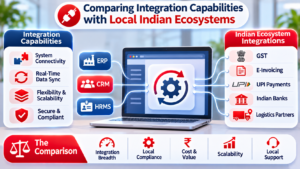
Indian businesses need an ERP that works well with the local digital world. True operational efficiency comes from how well your system talks to daily tools. Without these links, your team will spend too much time moving data by hand.
Connecting ERPs with Indian Payment Gateways and Banks
Managing money in India needs direct links to local finance. SAP Business One and Odoo can connect with big payment gateways like Razorpay and Paytm. This lets you match customer payments in real-time with your accounting.
Also, connecting with banks like HDFC, ICICI, and Axis Bank is key for automatic bank statement imports. This cuts down on mistakes and keeps your financial records right. Reliable banking integration is key for any growing SME’s financial health.
Integrating Logistics and E-commerce Platforms
Digital commerce in India means your ERP must handle orders fast. Make sure it works well with logistics like Delhivery or Shiprocket for real-time tracking. This keeps your customers happy and informed.
If you sell on Amazon India or Flipkart, your ERP must be a central hub. It keeps inventory data in one place to avoid overselling and stockouts. Automated order processing saves your team from manual entry during busy times.
Ensuring Seamless Data Flow Across Third-Party Applications
Having one source of truth is essential for business insight. Look for platforms with open APIs for CRM, HR software, and tax portals. Seamless data flow stops information silos that slow down big decisions.
When choosing, think about building custom connectors for local apps. A flexible system lets your business grow with new trends without a big change. The table below shows how these systems handle common integrations.
| Integration Feature | SAP Business One | Odoo | Ease of Setup |
|---|---|---|---|
| Payment Gateways | High (via SDK/Partners) | High (Native Modules) | Moderate |
| E-commerce Sync | Advanced (Connector-based) | Native (App Store) | High |
| Banking APIs | Robust/Secure | Flexible/Open | Moderate |
| Custom API Access | Strict/Structured | Open/Developer-friendly | High |
Analyzing Implementation Timelines and Partner Support
The success of your digital transformation depends on the people guiding the process. While software features are key, the human element often decides success or failure. A well-planned timeline keeps your business stable during the transition.
Selecting the Right Implementation Partner in India
Finding a partner who knows Indian business is essential. You need a team that understands local tax structures and regional logistics. Local expertise connects complex software with your daily needs.
When looking for partners, consider these important points:
- Proven experience with similar business models in your specific industry.
- A clear understanding of Indian regulatory compliance and GST reporting.
- Availability of local support teams for quick troubleshooting and on-site assistance.
- A transparent project management methodology that aligns with your growth goals.
Managing Change and Training Staff for New Systems
Technology adoption is more than just software; it’s about empowering your workforce. Change resistance is normal, so clear communication is key. Consistent training programs make staff confident and capable with new tools.
To boost user adoption, try these strategies:
- Identify “super users” within each department to act as internal champions.
- Provide hands-on workshops that focus on real-world tasks.
- Create easy-to-follow documentation tailored to your company’s specific workflows.
- Offer ongoing feedback loops to address user concerns and refine training materials.
Mitigating Risks During the ERP Migration Process
Migrating data and processes is a high-stakes endeavor. Risk mitigation starts with a thorough audit of your existing data. A phased rollout is safer than a “big bang” approach, allowing your team to adjust in smaller steps.
Protecting your business continuity is vital. Always maintain a robust backup strategy and test your contingency plans before going live. Anticipating bottlenecks ensures a smooth and stress-free transition for your entire organization.
Evaluating Long-Term Maintenance and Cybersecurity Services
After your ERP goes live, focus on keeping it running well. Systems like SAP Business One or Odoo need updates and security. Consistent oversight keeps your business running smoothly as it grows.
Routine Maintenance and Software Updates
Regular updates keep your ERP in line with new rules, like GST filing updates. These updates fix bugs and make things run faster. Scheduled maintenance stops system downtime and keeps software working with new tools.
Ignoring updates can cause problems. It’s key to have a partner who plans for updates. This keeps your system up-to-date and efficient.
Proactive Cybersecurity Measures for Business Continuity
Keeping financial data safe is very important. Cybersecurity measures stop unauthorized access and data breaches. Make sure your ERP vendor does regular security checks.
Modern cybersecurity solutions are part of your daily work. They protect against ransomware and phishing. Cybersecurity services make your business safe even when things go wrong. A good defense keeps your digital assets safe.
Accessing Technical Support and Managed Services
Good technical support is key for a successful ERP. Look for vendors with responsive helpdesk services and clear SLAs. Quick help is important when you’re stuck.
Managed services help your IT team by monitoring servers and databases. Think about these when picking a support provider:
- Response Time: How fast does the team fix problems?
- Expertise: Does the partner know the local Indian business well?
- Scalability: Can the support grow with your business?
Good support makes your ERP a tool for growth, not a problem. Pick a partner who wants your business to succeed.
Conducting a Final Cost-Benefit Analysis
Smart business owners in India look beyond the surface. They calculate the real value of their software investment. Choosing the right platform needs a comprehensive financial framework. This framework looks at both immediate costs and future needs.
By analyzing these figures, you make sure your chosen system supports your growth. It won’t drain your resources.
Calculating Hidden Costs of ERP Ownership
Many organizations focus only on the initial licensing fee. But the true cost of ERP ownership goes much further. You must look at the total lifecycle of the software to avoid unexpected budget gaps.
Consider these often-overlooked expenses:
- Staff Training: Investing in your team’s proficiency is essential for high adoption rates.
- Infrastructure Upgrades: On-premise solutions may require new server hardware or enhanced network security.
- Maintenance and Updates: Regular patches and version upgrades often carry recurring service fees.
- Customization and Integration: Tailoring the software to fit unique Indian business workflows adds to the development budget.
Ignoring these factors can lead to significant financial strain during the implementation phase. A proactive approach involves requesting a detailed quote from vendors. This should include post-deployment support and training modules.
Measuring Return on Investment for Indian SMEs
Calculating the return on investment (ROI) involves looking at how the system improves your bottom line over time. For an Indian SME, success is measured by increased efficiency, reduced manual errors, and better compliance with local tax regulations.
You should evaluate how the software helps you scale operations. It should do this without a linear increase in administrative costs.
The following table highlights key financial considerations when comparing your options:
| Cost Category | SAP Business One | Odoo |
|---|---|---|
| Licensing Model | Fixed/Perpetual or Subscription | Modular/Subscription |
| Implementation | Higher initial investment | Scalable, phased approach |
| Maintenance | Standardized support fees | Community or Enterprise support |
| Scalability | Robust for large growth | Highly flexible for niche needs |
Ultimately, the best choice aligns with your long-term business goals. Focus on the value generated through automated workflows and real-time data insights. When you prioritize operational efficiency, the software pays for itself. It unlocks new opportunities for your business.
Conclusion
Choosing the right ERP system is a big step for any growing business in India. SAP Business One and Odoo are two paths to operational excellence. Your choice should match your long-term vision.
Put your business needs first. Look at how each system handles local rules, data safety, and growth. A system that works now and grows with you is the best choice.
Check if your team is ready for a new system. Make sure everyone knows about the digital change. Good communication helps everyone adapt better.
Start your journey to a more efficient future now. Look at your needs, compare features, and choose the right partner. Your business needs a strong base to succeed in a tough market.