
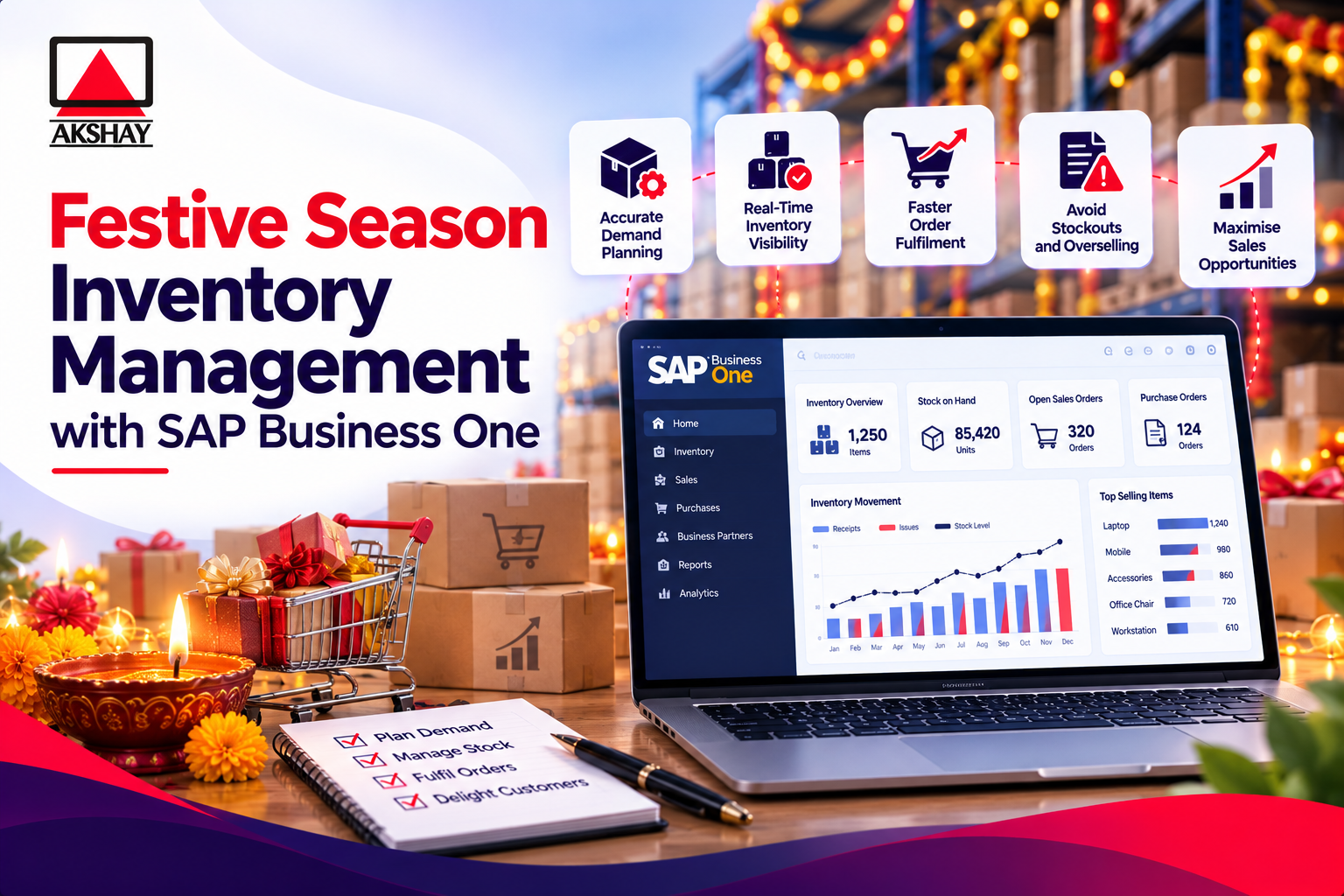
Choosing the right time to start a new enterprise resource planning system is big. In India, Diwali brings special challenges and chances. Business leaders often think if this busy time is best for switching systems.
Good festive season inventory management is key for companies facing high demand. Systems like SAP Business One help keep things running smoothly. But, starting such a system needs careful planning to avoid problems.
It’s important to think about the good things and the bad of starting a new system now. This article looks into if you should start now or wait for a less busy time. This way, you can make sure the change goes smoothly.
Key Takeaways
- Diwali presents both high demand and significant operational pressure for Indian businesses.
- SAP Business One offers robust support for maintaining stock levels during peak periods.
- Technical transitions require a balance between immediate efficiency gains and operational stability.
- Risk assessment is vital before launching new software during high-traffic windows.
- Strategic timing helps ensure that your team remains focused on customer satisfaction.
Understanding ERP and Its Importance in Business
Enterprise Resource Planning is key for businesses to grow well. It’s like a digital backbone. It connects different parts of a company, like finance and sales.
It makes sure everyone has the same information. This helps teams work better together.
What is ERP?
An ERP is a software that helps manage business tasks. It puts all important data in one place. This makes it easy to see what’s happening in the company.
This is very helpful during busy times. It helps manage festive season inventory management better.
Key Benefits of Implementing ERP
ERP makes businesses run smoother. It cuts down on mistakes and makes decisions quicker. It also makes streamlined workflows for handling more orders.
It makes sure products get to customers fast. This is key during the busy season.
The table below shows how ERP changes business operations:
| Operational Area | Traditional Method | ERP-Driven Approach |
|---|---|---|
| Data Access | Fragmented spreadsheets | Centralized real-time dashboard |
| Inventory Tracking | Manual periodic counts | Automated live monitoring |
| Departmental Sync | Email and phone calls | Integrated automated workflows |
Common Misconceptions About ERP
Some think ERP is only for big companies. But, cloud-based ERPs are flexible for all sizes. Another myth is that ERP is hard to set up.
It does take some work, but it’s faster now. People worry about the cost, but it saves money in the long run. Knowing the truth helps businesses use ERP to their advantage.
Why Timing is Crucial for ERP Implementation
Starting a new ERP system needs more than just being ready technically. It also needs the right timing. When a company decides to start using the new system, it affects every part of the business. Strategic alignment with the company’s schedule is key to a smooth start or a big mess.
Potential Impacts of Going Live at the Wrong Time
Choosing the wrong time for a system launch can cause big problems. If you launch during a busy time, your team might find it hard to fix errors and do their jobs. This can lead to mistakes and less work done.
Also, when it’s busy, not everyone can help fix problems. This can make the system unstable for a long time. A bad timing can hurt your business and make customers lose trust.
Factors Influencing Timing Decisions
Many things need to be thought about before picking a launch date. Things like market changes and how much people want to buy affect when you can change. Businesses need to think about their own needs to avoid mistakes.
Here are important things to think about when planning your launch:
- Holiday inventory tracking needs to be accurate.
- Festive season warehouse management gets harder when sales are high.
- How many people you have to train and how much time they have.
- How the market is doing and how it might affect sales.
By focusing on holiday inventory tracking, companies can keep track of stock during busy times. Mastering festive season warehouse management helps teams stay efficient when orders are high. Launching your ERP at the right time helps avoid problems and ensures success in the long run.
The Significance of Diwali in Business
Diwali is more than a cultural event for businesses in India. It’s a time of intense sales. People spend more and look for new things. Businesses see it as a key time for growth.
Cultural and Economic Importance of Diwali
Diwali mixes tradition and business. Families buy lots of things, like electronics and clothes. This surge in consumer demand makes companies adjust their plans.
Good holiday inventory tracking is key to success. Without it, businesses might run out of stock. This can lose customers. Companies that use data well do better than usual.
How Diwali Affects Business Operations
The festive mood changes how employees work. The office is happy, but service levels must stay high. Managers have to manage stock and keep everyone focused.
The table below shows how Diwali changes business numbers:
| Metric | Standard Month | Diwali Season |
|---|---|---|
| Consumer Demand | Moderate | High |
| Inventory Turnover | Steady | Rapid |
| Operational Pressure | Baseline | Intense |
| Staff Engagement | Routine | High/Festive |
How well a business handles these changes decides its success. Being ready for the season’s unique demands can give a business an edge. It needs to understand the culture and plan well.
Analyzing the Diwali Timeline for Implementation
Getting ready for an ERP go-live in India’s busiest shopping season needs meticulous attention to detail. A clear timeline is key for success, matching the big festive market changes.
Companies must think about special work needs for a smooth change. Planning ahead helps avoid common launch problems during busy times.
Pre-Diwali Preparations
The start of a good launch is data cleansing. Making sure your old data is right stops errors in the new system.
Testing the system should start weeks before the busy season. This lets your IT team fix problems before they hurt your sales.
Getting staff ready is also very important. Comprehensive training sessions make sure workers know the new system well, even when it’s very busy.
Technical Considerations During the Festive Period
Keeping the system stable is key when lots of people are shopping. Your ERP must handle the quick changes in demand during Diwali.
Good seasonal inventory control lets you watch stock levels live. This stops out-of-stock problems and keeps popular items available.
Also, using seasonal inventory replenishment automation keeps stock levels right without needing people to do it. These tools help your business stay efficient and make the most of the season’s spending.
Advantages of Implementing ERP During Diwali

Many companies avoid big IT changes during the holidays. But, starting your ERP during Diwali can be a smart move. It can turn a busy time into a chance for growth.
Increased Budget Allocation
Diwali often means companies have extra money for big projects. This necessary financial backing helps with system upgrades. It makes sure your ERP project goes smoothly without hurting other areas.
Also, having a special budget helps with seasonal inventory control. You can use it for advanced modules for tracking sales. This way, your money works hard to boost your profits.
Employee Engagement and Motivation
The holiday vibe in Indian offices is great for change. People are happy and open to new things. This makes them excited to learn and use new systems.
This time is perfect for optimizing inventory for festive occasions. Teams are already busy meeting demand. They focus better on data and system inputs. This leads to a smoother transition to your new system.
| Implementation Factor | Standard Period | Diwali Season |
|---|---|---|
| Budget Availability | Moderate | High |
| Staff Morale | Neutral | High |
| Inventory Focus | Routine | Strategic |
| Learning Agility | Standard | Enhanced |
Potential Challenges of Diwali ERP Implementation
Starting a digital change in India’s busiest shopping time needs careful planning. Launching a new system during this busy time has risks. Ignoring these risks can cause big problems.
Market Slowdown and Customer Focus
During the festive season, everyone focuses on meeting customer needs. Employees work hard, handling lots of sales and questions. This busy time makes it hard for new ERP systems to be learned.
When employees are busy with sales, they might make mistakes. They could enter data wrong or miss important steps. It’s important to remember that people are most stressed during this time.
System Downtime and Technical Issues
Having a stable system is key for any retail business. If a system fails during Diwali, it can lose money and hurt the brand. Without a stable system, Christmas inventory optimization is hard.
Also, optimizing inventory for festive occasions needs a reliable system. Any technical problems can stop tracking stock levels. Here’s a table showing the risks of launching during busy times.
| Risk Factor | Standard Period | Diwali/Festive Period |
|---|---|---|
| System Downtime | Low Impact | Critical Revenue Loss |
| Staff Availability | High Availability | Limited for Training |
| Inventory Accuracy | Easily Managed | High Risk of Discrepancy |
| Customer Support | Stable | High Volume Pressure |
Knowing these challenges early helps leaders plan well. Keeping revenue safe means balancing tech goals with market needs. Being ready is the best way to avoid system failures.
Planning for a Successful ERP Launch
Good planning is key for a smooth ERP launch. Companies with a clear plan see better user adoption and efficiency. Meticulous preparation helps keep things running smoothly, even when it’s busy.
Key Steps in ERP Implementation
The path to a new system has many important steps. A structured approach helps avoid risks and meets all technical needs before launch.
- Requirements Gathering: Finding out what the business needs and what hurts.
- System Design: Setting up the software to fit the company’s workflow.
- Rigorous Testing: Checking data and system performance under stress.
- Deployment: Making the final switch while keeping effective inventory planning to avoid stockouts during holidays.
Stakeholder Involvement
Getting key people involved is vital for success. When leaders and department heads join early, they can align the system with goals like Christmas inventory optimization. This teamwork connects the technical side with everyday business.
Also, getting team members involved early makes them feel like they own the change. This is key for New Year’s stock management. If they help plan, they’ll be ready for the change. Clear communication and shared goals help everyone work towards the same goal.
Communication During the Implementation Phase
Being open is key when introducing new software during the holiday rush. Clear talk is the heart of any successful change. It helps build a supportive culture and reduces pushback.
Informing Employees and Stakeholders
Start with a plan that reaches everyone. Leaders should hold meetings or send out detailed emails. This explains the reasons for the change.
It’s also vital to keep outside groups, like vendors, in the loop. Give them clear updates to keep relationships strong. Regular updates help avoid confusion and build trust.
Managing Expectations
One worry is how the change might affect daily work. Leaders should be upfront about the learning needed. Setting achievable goals helps your team handle New Year’s stock management smoothly.
Good planning is key to avoid hurting your profits. Teams should work on streamlining their holiday plans early. This way, you can keep performance high even with new tech.
Best Practices for Going Live on a New ERP
Starting a new ERP during a busy time needs a strategic and disciplined roadmap. It’s key to follow best practices to avoid risks. By focusing on structure and preparation, your company can stay stable while updating its digital core.
Establishing a Solid Go-live Strategy
A good launch needs a clear strategy that keeps the system safe. Many say to use a phased rollout. This lets your team test parts of the system without affecting everything at once.
Also, make a detailed fallback procedure before going live. This plan lets you go back to old systems if needed. It keeps your business running smoothly and protects your profits.
Providing Adequate Training
Being ready with the new software is just as important as having it. Offer training on how to use it, like for New Year’s stock management. This makes your team work faster and more accurately.
Good inventory planning for festive season needs a team that knows the new ERP well. Hands-on workshops help your team manage busy times well. Investing in training is the best way to get the most from your new ERP.
| Strategy Component | Primary Benefit | Risk Level |
|---|---|---|
| Phased Rollout | Controlled Testing | Low |
| Fallback Procedure | Business Continuity | Minimal |
| Staff Training | Operational Efficiency | Low |
| Data Validation | Accuracy Assurance | Moderate |
Post-Implementation Review Process
After the system is live, the real work starts. A review process helps your team check if the new software meets your business goals. This step is critical to make sure your investment pays off.
Measuring Success After Go-Live
To see how well the system works, track important metrics. Key Performance Indicators (KPIs) should look at data accuracy and how fast things get done. For retail and manufacturing in India, getting inventory right for the festive season is key.
Compare your current results with what you had before. If there are problems with stock or orders, fix them fast. Continuous monitoring keeps things stable when demand is high.
Collecting Feedback from Users
Your employees know a lot about using the system. By listening to them, you can find issues that reports might miss. This feedback is vital for improving your inventory strategies for holidays to help your team.
Make a simple survey or have regular meetings to talk about daily issues. Empowering your staff to share their thoughts helps improve things. When people feel heard, they’re more likely to use new ways of working and help the ERP system succeed.
Case Studies: Companies That Went Live During Diwali
Looking at past experiences during Diwali gives us important lessons. Real examples show the ups and downs of starting an ERP system during Diwali. These stories help businesses get ready for their own digital changes.
Success Stories
Many big retail names in India did well by starting their ERP system before Diwali. They planned their stock well for the big shopping days. This way, they didn’t run out of items during the busiest times.
Efficiency gains were big for those who trained their staff early. They could track popular items quickly. This kept customers happy while others had trouble with errors.
Lessons Learned
Not every company had an easy time starting their ERP system during holidays. A big lesson is to have IT support ready 24/7 at first. Without it, some companies faced system problems that hurt their holiday plans.
Good communication is key for a smooth start. Companies that kept their teams informed did better than those that didn’t. Here’s a table showing the main differences between success and struggles.
| Factor | Successful Approach | Struggling Approach |
|---|---|---|
| Preparation | Early system testing | Last-minute configuration |
| Support | Dedicated 24/7 IT team | Limited holiday staffing |
| Inventory | Automated demand forecasting | Manual stock tracking |
| Outcome | Increased revenue | Operational bottlenecks |
Conclusion: Is Diwali the Right Time?
Choosing the right time for an ERP transition is key. It’s about finding the right balance between festive cheer and technical readiness. Leaders must consider the boost in morale against the possible operational challenges during busy times.
Balancing Risks and Rewards
Success in digital transformation depends on your team’s ability to adapt. Make sure you check if your team is ready before setting a launch date. This step helps keep your staff supported during the change.
Strategic Alignment for Long-Term Success
Your choice should match your goals for the year. Using strong inventory strategies for holidays helps keep service levels up while updating systems. Companies that focus on clear communication and training often do well, no matter the date.
Contact Us & Review your team’s capacity and tech setup carefully. Aligning your software with holiday inventory strategies sets your business up for growth. Your team should feel empowered, not stressed, during the transition.