
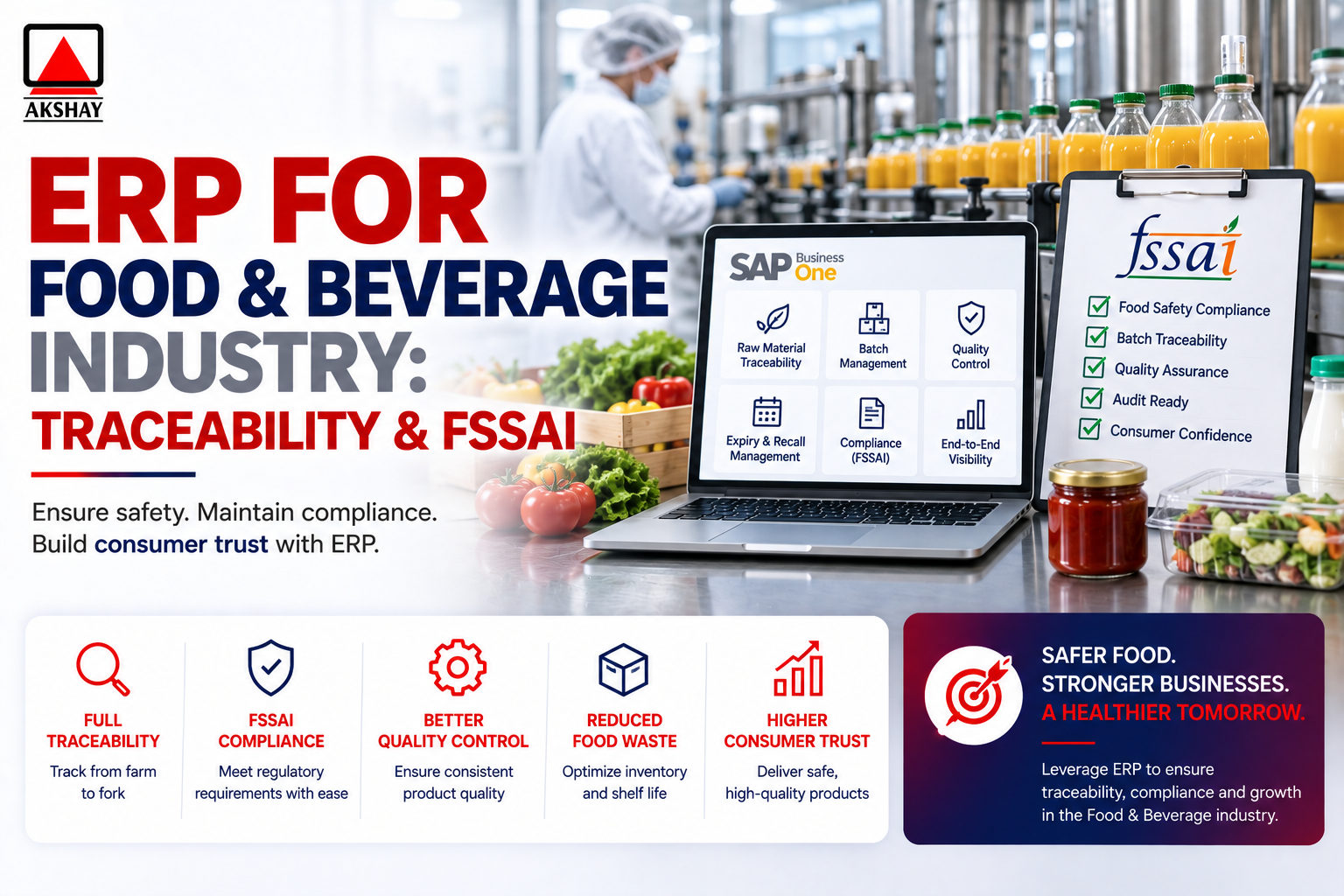
The modern Indian market wants more safety and transparency like ERP for Food & Beverage Industry. As businesses grow, managing complex supply chains is tough. They must also follow strict FSSAI regulations.
Getting an erp for food and beverage industry solution is now a must. It’s key for keeping quality high and operations smooth.
Digital changes help firms track ingredients from start to finish. This traceability makes sure every product is safe before it reaches you.
Using an erp for food and beverage industry system makes reporting easier. It helps leaders keep up with FSSAI changes. It also cuts down on mistakes in daily tasks.
Key Takeaways
- Digital tools are key for safe growth in the Indian market.
- Integrated software keeps businesses in line with FSSAI rules.
- Real-time tracking protects brands by spotting risks early.
- Automation lowers mistakes in managing supplies and tracking inventory.
- Modern tech is the base for lasting growth and top performance.
Importance of ERP Systems in the Food & Beverage Sector
Managing a complex food supply chain is tough without modern tools. The Indian market is growing fast. Businesses must keep quality high and costs low. erp systems for food industry help bridge the gap from raw materials to final product.
Enhancing Operational Efficiency
Food production has many parts, like tracking inventory and keeping machines running. erp systems for food industry make these tasks easier. They reduce errors and keep production lines moving.
Efficiency is key for a food business to make money. Automated workflows let staff do more important tasks. This makes the whole company more productive.
Improving Decision-Making
Managers need the right info to succeed in the fast food market. Digital platforms give a clear view of the company. With erp systems for food industry, leaders can see how things are going right away.
Being able to spot trends early helps companies stay ahead. This way, they can avoid problems and keep making money in a tough market.
| Feature | Manual Processes | ERP-Driven Processes |
|---|---|---|
| Data Accuracy | High risk of errors | Automated precision |
| Reporting Speed | Days or weeks | Real-time access |
| Operational Cost | High due to waste | Optimized for savings |
| Scalability | Limited growth | Highly scalable |
Key Features of ERP for Food & Beverage
Managing food production needs special digital tools. Modern food and beverage software helps make complex tasks easier. It also ensures safety and efficiency.
Inventory Management
Keeping track of perishable goods is key. Automated tracking helps reduce waste and keep stock levels right.
- Real-time visibility of raw materials and finished goods.
- Automated alerts for items nearing their expiration dates.
- Dynamic stock rotation to ensure first-in, first-out (FIFO) compliance.
Quality Control
Keeping food safe is a must. Food industry erp solutions add quality checks to the making process. This stops contamination and keeps quality high.
These systems let managers do rigorous testing at every step. They make it easy to find quality data for audits or inspections.
Production Planning
Meeting changing market needs is a big challenge. Advanced erp software for food manufacturing helps plan production. It matches schedules with resources and materials.
This smart planning avoids delays and keeps production smooth. It balances labor, machines, and ingredients. This way, companies use their resources well and cut downtime.
| Feature | Primary Benefit | Operational Impact |
|---|---|---|
| Inventory Tracking | Waste Reduction | Lower Costs |
| Quality Monitoring | Safety Compliance | Brand Trust |
| Production Scheduling | Resource Optimization | Higher Output |
Traceability: A Cornerstone of Compliance
Traceability is key for keeping consumers safe and following the law in the food industry. An erp for food processing industry helps track ingredients from farm to table. This makes every step of production clear and accountable.
Importance for Consumer Safety
Keeping consumers safe is the main goal for food businesses in India. Finding the source of contamination quickly is critical to avoid health risks. An erp for food processing industry lets managers quickly find and stop affected batches.
Keeping detailed records is a safety net for brands and customers. It helps in fast recalls if needed. This way, businesses can stop unsafe products from hitting stores.
Meeting Regulatory Requirements
Following government rules is a must for food makers. An erp for food processing industry helps keep up with audit and inspection needs. It makes sure all data is correct and easy to find for regulators.
Showing transparency to auditors is easy with a centralized data system. Companies using these tools can show they follow safety rules easily. Here’s a table showing the difference between old ways and new digital systems.
| Feature | Manual Tracking | ERP-Driven Traceability |
|---|---|---|
| Data Accuracy | Prone to human error | High precision and automated |
| Recall Speed | Slow and labor-intensive | Instant batch identification |
| Audit Readiness | Requires extensive preparation | Always audit-ready |
| Transparency | Limited visibility | Full farm-to-fork tracking |
FSSAI: Understanding the Regulatory Landscape
For businesses in the Indian food sector, following national safety rules is a must. The rules are made to keep people safe and make sure products are safe for everyone.
What is FSSAI?
The Food Safety and Standards Authority of India (FSSAI) is the top body for food safety. It sets standards for food and controls its making, storing, and selling. This helps keep food safe for everyone in the country.
Consistency is key for a safe food chain. Using an erp for food processing industry helps companies follow these rules. It also helps keep all the needed documents in order.
Compliance Requirements for Businesses
Running a food business in India means following strict rules. Companies need to keep detailed records for inspections. Not having these records can cause big problems.
Many businesses use an erp for food processing industry to make reporting easier. They need to focus on several important areas:
- Licensing and Registration: Getting the right permits based on their size.
- Hygiene Standards: Keeping facilities clean as Schedule 4 requires.
- Labeling Accuracy: Making sure all packaging has the right info.
- Record Keeping: Keeping track of each batch for easy tracing.
Using technology for these tasks helps avoid mistakes. It keeps companies ready for audits at all times. This helps them grow and keep customers happy.
Benefits of Implementing ERP for Traceability
Modern software solutions bring big wins for makers in the complex Indian market. The main erp benefits for food industry are keeping safety high and making daily tasks better.
Real-Time Data Access
Digital systems let people watch goods move in real time. They capture data at every step. This gives managers unprecedented visibility into what’s in stock and what’s being made.
This quick access means leaders can act fast. Real-time tracking cuts down on the uncertainty of old ways of keeping records.
Improved Supply Chain Transparency
More transparency helps find and fix problems before they cause delays. When every ingredient is tracked, it’s easy to find where quality issues come from.
This clear view is key to stopping safety issues before they get worse. Proactive monitoring is a big help in keeping product quality high everywhere.
Enhanced Product Recall Management
Quick and easy product recall is key for keeping people safe and brands strong. An integrated system can find and stop bad batches fast.
This fast action saves money and keeps customers loyal. Efficient recall execution is a top erp benefit for food industry pros who focus on safety and following rules.
ERP Modules Tailored for Food & Beverage
Specialized modules in an ERP system are key for modern companies. The right food and beverage software helps manage perishable items and safety rules. It makes sure all steps, from buying to delivery, are clear and smooth.
Supply Chain Management
Good logistics management is vital for success in India. This module helps manage complex cold chain needs. It keeps items safe during transport.
Using a strong erp for food distributors, teams can track shipments live. This is essential for keeping high service levels and meeting market demands. Key features for success include:
- Automated vendor portals for easier buying and contract management.
- Cold chain monitoring to follow safety rules during transport.
- Dynamic route optimization to cut fuel costs and speed up delivery.
Customer Relationship Management
Knowing what clients want is as important as managing stock. A CRM module lets businesses track client likes and order history easily. This helps sales teams offer personalized service, building loyalty.
By adding this module to your food and beverage software, you can guess demand better. It shows which products are popular and which clients need special delivery times. An erp for food distributors gives the insights to stay ahead in a busy market.
Choosing the Right ERP Solution
Choosing the right ERP system is key for growth in the food sector. Investing in the correct platform is a big decision. It needs a close look at technical features and business goals. The right erp systems for food industry helps companies grow digitally.
Factors to Consider
When looking at software, focus on scalability for more production. The system should be easy for staff to use, cutting down on training time. Also, it must have special features for tracking batches and managing shelf life.
The table below shows important things to check when choosing:
| Selection Criteria | Primary Benefit | Business Impact |
|---|---|---|
| Scalability | Future-proofing | Supports long-term growth |
| User Interface | Operational speed | Reduces training overhead |
| Industry Features | Regulatory compliance | Minimizes safety risks |
| Integration | Data synchronization | Eliminates manual errors |
Vendor Reputation and Support
A software provider is a long-term partner, not just a vendor. Check their track record in the Indian market. They should know local rules well. Good technical support is crucial for keeping things running smoothly.
Make sure the vendor updates their erp systems for food industry to follow new laws. A top-notch support team helps erp for food distributors deal with supply chain issues. Picking a trusted partner safeguards your investment and future operations.
Case Studies: Successful Implementations
Seeing others succeed shows the value of modern software. Many Indian businesses have changed their daily work with erp software for food manufacturing. These stories show how digital tools solve big production problems and lead to measurable growth.
Company A: Streamlining Operations
A mid-sized snack maker had big problems with waste and uneven production. They used a special system to see how much raw material they used. This helped them make better batches and cut waste by 15% in a year.
The company used erp software for food manufacturing to match what they bought with what they needed. This kept fresh ingredients coming in on time, avoiding waste. They made more money because they worked better.
Company B: Ensuring Compliance
Keeping food safe is very important for any business in India. A dairy processor had trouble keeping records right, which caused problems during audits. They started using a system to track quality automatically.
This change helped their team a lot:
- Automated reporting made FSSAI-ready documents fast.
- They got alerts right away for any temperature issues.
- They could track every batch from farm to store.
By fixing the record-keeping, the company passed every audit without trouble. These stories are a practical guide for businesses wanting to update and stay strong in the market.
Challenges in ERP Implementation
Getting the most out of food industry erp solutions is not just about picking the right software. It’s also about understanding the big change from old ways to new digital tools. A smart plan is key to keep goals in sight during this big shift.
Change Management
The biggest challenge is people. Employees might not get why new tools are good if they don’t see the point or get the right training. Leaders need to talk clearly to help everyone get on board.
Hands-on training and ongoing help make staff feel sure about using the new system. Seeing how it makes their work easier helps them accept the change. Keeping everyone involved is the secret to a smooth start.
Integration with Existing Systems
Connecting new software with old systems can be tough. Many Indian businesses face issues with data flow between old and new tools. It’s important to make sure these systems talk to each other well to keep data integrity in the supply chain.
Doing integration in steps helps IT teams spot problems before they slow things down. Planning ahead for data needs helps avoid expensive delays. This way, food industry erp solutions work together as one system, not separate parts.
| Challenge Category | Primary Obstacle | Impact Level | Mitigation Strategy |
|---|---|---|---|
| Change Management | Staff Resistance | High | Comprehensive Training |
| Technical Setup | Legacy Data Silos | Medium | API Middleware |
| Operational Flow | Process Disruption | High | Phased Rollout |
| Budget Control | Scope Creep | Medium | Strict Milestone Tracking |
Success in food erp implementation needs patience and a focus on getting better. By tackling these common problems, companies can lay a strong base for growth and meeting rules.
Future Trends in ERP for Food & Beverage
The food industry is changing fast with digital innovation leading the way. Companies are looking for smarter tools to stay ahead in a global market.
Integration of AI and Automation
Artificial intelligence is changing how businesses manage their supply chains. It uses predictive analytics to guess demand, cutting down on waste and using resources better. These changes help companies stay quick and adapt to market changes.
Focus on Sustainability and Traceability
Today’s consumers want to know how their food affects the environment. Digital tools now track carbon footprints and resource use from start to finish. A good ERP system gives the data needed to meet these green standards.
Getting a strong ERP system for the food and beverage industry is key for the future. Focus on these tech upgrades for growth and to follow rules. Talk to experts to start your digital change today.