
Choosing the right database for your business is very important. It helps your company grow in India. The database you pick affects how well you handle complex tasks and data in real-time.
When deciding between SAP HANA vs SQL, think about your future goals. Do you need fast processing or something that saves money? Your choice can help you stay ahead in a quick market.
Many companies face a tough choice between saving money now and growing later. It’s key to know the differences between HANA and SQL. This helps make sure your digital setup supports your business’s growth.
Key Takeaways
- Database selection is a foundational step for long-term operational success.
- Indian businesses must weigh processing speed against total cost of ownership.
- Scalability remains a primary driver for choosing the right database architecture.
- Real-time data access provides a significant competitive edge in modern markets.
- Strategic planning ensures your technology stack evolves alongside your company.
Introduction to SAP HANA and SQL
Choosing the right database is key for any business using SAP Business One. It affects how fast your team gets information and how well your system grows. Knowing the tech behind it helps leaders make smart IT investments.
Overview of Database Technologies
The database is at the core of your ERP system. It stores all business data. Traditional systems use disk-based storage, where data is slow to access.
SAP HANA, on the other hand, uses in-memory computing. It keeps data in RAM for quick access. This changes how apps work with data.
With SAP HANA, apps can do calculations fast. This is because data is in memory, not on hard drives. A sap hana comparison to sql shows how these systems differ in speed and efficiency.
Key Differences Between SAP HANA and SQL
The main differences between sap hana and sql are in speed and storage. SQL is good for regular tasks, but SAP HANA is fast for analytics. Here are the main differences:
| Feature | SAP HANA | SQL Server |
|---|---|---|
| Storage Type | In-Memory | Disk-Based |
| Processing Speed | Extremely High | Moderate |
| Analytics Capability | Real-Time | Batch-Oriented |
Importance of Choosing the Right Database
Choosing the right database is a big decision. It’s not just about tech; it’s a strategic business move. The right database keeps your team working well without slowdowns.
If you need fast data analysis, SAP HANA is a big plus. But, if you just need simple transactions, SQL might be cheaper. Think about your future needs to make the best choice. This avoids costly changes later.
Understanding SAP HANA
SAP HANA changes how we process data by using system memory. This approach avoids the slow downs of disk storage. It lets us access and process data instantaneously.
What is SAP HANA?
SAP HANA is a fast, in-memory database. It’s great for handling big data quickly. When comparing it to SQL, the main difference is how it stores and gets data.
SQL databases often use disks, which can slow things down. SAP HANA, on the other hand, stores everything in memory. This makes it fast for both simple and complex tasks.
Key Features and Benefits of SAP HANA
The benefits of sap hana over sql are clear in fast-paced environments. It lets companies understand their data faster. Key features include:
- In-memory computing: Makes things faster by cutting down on disk delays.
- Columnar storage: Helps with data compression and query speed for analysis.
- Real-time analytics: Gives quick access to data for better decisions.
These features help companies work more efficiently. They save time on data retrieval, allowing for more focus on growth. Efficiency becomes a key part of their daily work.
Use Cases for SAP HANA
Many companies use SAP HANA for complex tasks and big data storage. It’s great for quick tasks like financial forecasting or managing supply chains. But, it’s important to consider the sap hana advantages and disadvantages before starting.
| Feature | SAP HANA | Traditional SQL |
|---|---|---|
| Storage Type | In-Memory | Disk-Based |
| Processing Speed | Extremely High | Moderate |
| Initial Cost | Higher Investment | Lower Investment |
The initial cost is higher than SQL, but the long-term benefits are worth it. Companies need to think about their data needs to see if SAP HANA is right. For many, the speed is an invaluable asset.
Understanding SQL
Structured Query Language is key for many business apps today. It’s a standard language for working with databases. For businesses in India, it’s a reliable and proven foundation for SAP Business One.
What is Structured Query Language (SQL)?
SQL is the main language for talking to databases. It lets admins manage data well. Its declarative syntax makes data retrieval consistent.
Looking at sap hana features vs sql, SQL is known for stability. It’s the go-to for those who value a solid architecture. This makes it easier for IT teams to handle systems.
Key Features and Benefits of SQL
SQL is loved for its cost-effectiveness and operational maturity. It’s cheaper because many people know how to use it. When looking at sap hana advantages and disadvantages, SQL’s lower barrier to entry is a big plus.
- High Stability: It’s been refined for decades, making it perfect for critical tasks.
- Cost Efficiency: It costs less to use and maintain than some other solutions.
- Predictable Performance: Great for places where data grows slowly and steadily.
Use Cases for SQL Databases
SQL is best for places where data needs are steady. It’s great for small to mid-sized businesses. This way, they can spend more on growing.
Companies with regular reporting needs find SQL perfect. While sap hana features vs sql might talk about speed, SQL is better for everyday business tasks. Knowing the sap hana advantages and disadvantages helps leaders choose what’s right for them.
Performance Comparison: SAP HANA vs SQL
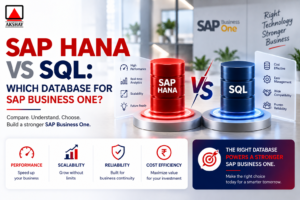
When picking a database, the difference between in-memory and disk-based systems is key. Companies look at sql vs sap hana performance to see which fits their needs. SAP HANA is fast because it stores data in memory, unlike SQL which uses disks.
Speed and Efficiency
The main benefits of sap hana over sql are its speed. It stores data in RAM, cutting down on wait times. This means complex queries now take seconds, not minutes.
- Reduced Latency: In-memory processing cuts down on disk I/O delays.
- Faster Transactions: Quick data writes help daily operations.
- Optimized Compression: Special algorithms make big data smaller in memory.
Real-Time Data Processing
Today’s businesses need quick access to data for smart decisions. Sap hana vs sql for analytics shows SAP HANA is better for live reports. It keeps data in memory, so reports are fast.
This means managers can check inventory, sales, and finances instantly. Instant insights help teams act fast to market changes. SQL systems need separate data warehouses for analytics, which can slow down reports.
Scalability Considerations
As your business grows, your database needs to handle more data fast. SAP HANA scales easily by adding resources. SQL databases also scale but need more tuning as data grows.
| Feature | SAP HANA | Traditional SQL |
|---|---|---|
| Data Storage | In-Memory | Disk-Based |
| Query Speed | Extremely Fast | Moderate |
| Analytics | Real-Time | Batch-Oriented |
| Scaling | High Efficiency | Requires Tuning |
Choosing the right database depends on your growth and data needs. While SQL is solid for many, SAP HANA shines for big data. Strategic planning is key for long-term success.
Cost Considerations
When planning for SAP Business One, look at the costs of your database engine. You need to see how each choice affects your budget over time. It’s important to compare sap hana vs sql server by looking at both the direct costs and the indirect ones.
Licensing Costs for SAP HANA
SAP HANA is a top-notch in-memory database. It costs more at first because it uses RAM for data. But, it can save money by making data work faster.
Cost of SQL Database Options
Looking at sap hana vs microsoft sql server, SQL is often cheaper to start. SQL Server is well-known for its stable pricing and wide use. It’s great for companies that want to save money and already have some setup.
Total Cost of Ownership Analysis
The total cost includes hardware, upkeep, and staff time. SQL might need less expensive hardware, but SAP HANA could save on database experts. Think about these points to match your budget with your future plans.
| Factor | SAP HANA | SQL Server |
|---|---|---|
| Initial Licensing | Premium | Standard |
| Hardware Needs | High-Performance RAM | Standard Server |
| Maintenance | Streamlined | Traditional |
The right choice depends on your business needs and money plan. Do a thorough check of your data growth to see which is best. Choose a database that fits your company’s future.
Integration with SAP Business One
Seamless integration is key for SAP Business One success. The database you choose powers your business. It affects how fast your team gets important info. Knowing how your database works with the ERP is vital for growth.
How SAP HANA Integrates with SAP Business One
SAP HANA is a native, high-performance environment for SAP. It uses in-memory computing to speed up data access. This means you get live business data fast.
When looking at sap hana vs sql for analytics, HANA’s big plus is fast query execution. It cuts down on the wait times of old systems. Key benefits include:
- Real-time reporting without slowing down transactions.
- Advanced predictive analytics right in the ERP.
- Simple data models that cut down on data warehousing needs.
SQL Integration Capabilities
SQL server is solid and reliable for SAP Business One. It fits well with many Indian IT setups. IT teams already know how to manage these systems, making setup easier.
When comparing sap hana vs sql server, SQL is known for its stability and wide compatibility. It works well with other apps and systems. This makes it a good choice for those who value a known, easy-to-use environment.
Choosing the Best Fit for Your Business Needs
Picking the right database is all about your goals. You need to balance speed and cost. Here’s a guide to help you decide:
| Feature | SAP HANA | SQL Server |
|---|---|---|
| Primary Strength | Speed & Analytics | Stability & Familiarity |
| Data Processing | In-Memory | Disk-Based |
| Best For | Data-Driven Growth | Standard Operations |
Think about your data now and how it will grow. If you need real-time insights for daily decisions, HANA might be better. But if you’re all about steady, standard reports, SQL is a solid choice.
Security Features of SAP HANA and SQL
Data safety and system security are key for a reliable SAP Business One setup. As cyber threats grow, businesses need strong protection for their data. Knowing the sap hana features vs sql security helps leaders choose the best for their digital setup.
Data Protection in SAP HANA
SAP HANA has a multi-layered security architecture to protect data. It uses top encryption to keep data safe from unauthorized access. It also has role-based access control to limit data access to only needed employees.
The system tracks all database interactions with its auditing. This helps follow data protection laws. It also makes it easy to find and fix security issues fast.
Security Protocols in SQL Databases
SQL databases use well-tested security protocols. They work well with enterprise firewalls and network tools. Authentication mechanisms like Windows or SQL Server Authentication help manage user access.
Transparent Data Encryption secures files and backups. This keeps data safe even if storage is stolen. Regular updates are key to keep these systems safe from known threats.
Evaluating Security Needs for Your Organization
Think about your data’s sensitivity and compliance needs when choosing. A good risk assessment helps pick the right database. Both systems have strong security, but sap hana features vs sql might fit your IT policies better.
| Security Feature | SAP HANA | SQL Databases |
|---|---|---|
| Encryption | Native Advanced Encryption | Transparent Data Encryption |
| Access Control | Granular Role-Based | Standard User Permissions |
| Compliance | High (Global Standards) | High (Industry Standard) |
Your organization needs to weigh performance against security. Regular security checks keep your database safe. The right choice is not just fast; it’s about unwavering trust and safety.
User Experience and Accessibility
When looking at sap hana vs microsoft sql server, how it affects daily work is key. The database’s design affects how fast your team gets to important info. This is important in the SAP Business One world.
User Interface for SAP HANA
SAP HANA has a highly responsive interface. It uses in-memory computing for fast data access. Users see dashboards and reports load much faster than old systems.
This quickness lets employees analyze data in real-time. They don’t have to wait for long. The seamless integration with web-based tools means staff can get insights from anywhere. This makes work more agile.
User Interface for SQL
Microsoft SQL Server has a highly stable interface. Many IT teams have used it for years. It’s familiar and easy to learn for those used to Windows apps.
It’s not as fast as in-memory systems but is reliable for everyday tasks. Users find it dependable for tasks like accounting and inventory.
Overall User Experience Comparison
The choice of backend system affects how happy employees are and how well they use the system. Here’s a table showing the main differences in how users interact with these two systems.
| Feature | SAP HANA | Microsoft SQL Server |
|---|---|---|
| Data Retrieval Speed | Extremely Fast | Standard/Reliable |
| Analytical Capability | Real-time/Advanced | Traditional/Scheduled |
| Learning Curve | Modern/Intuitive | Familiar/Classic |
The choice between sap hana vs microsoft sql server depends on your needs. If you want instant insights, HANA might be better. But if you need something stable and predictable, SQL could be the way to go.
Conclusion: Choosing the Right Database for Your Business
Choosing the right database for SAP Business One is key. You need to know your business goals well. Understanding the differences between sap hana and sql helps match your tech needs with your business goals.
Core Takeaways
Small businesses usually do fine with SQL for everyday tasks. But, big companies might need SAP HANA for its speed and real-time data. Knowing these differences helps pick the right database for your data needs.
Strategic Recommendations
First, think about your budget and what you need from your database. If you handle huge data and need quick insights, SAP HANA is a good choice. For cost-effective, stable operations, SQL is a solid option for SAP Business One.
Future Trends in Database Technology
Cloud and AI are changing database tech. Both SAP HANA and SQL are getting better to meet these changes. Keeping up with these updates is important. Talk to your IT team to see which way is best for your business.