
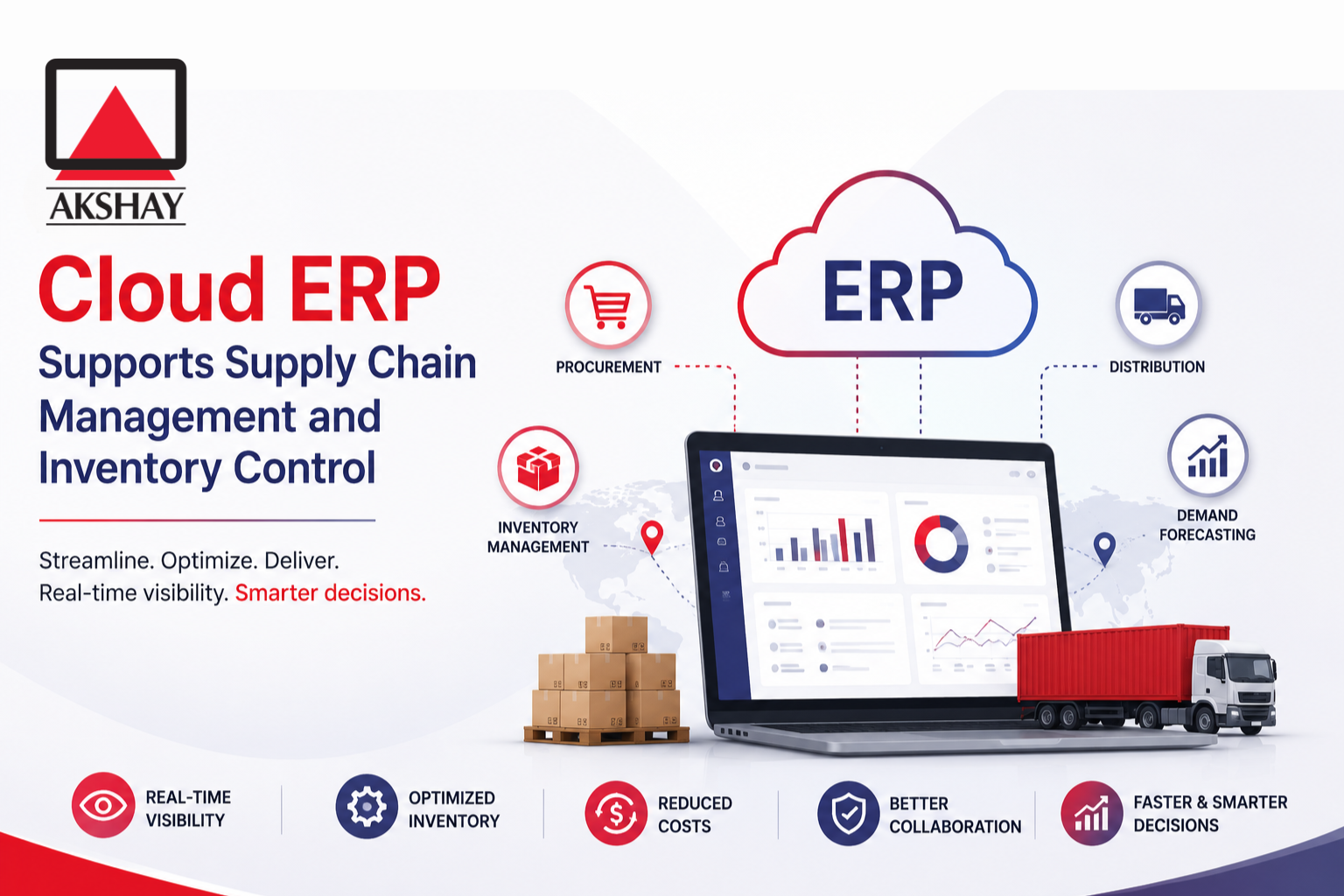
Modern businesses need to work smarter and spend less. Using a Cloud ERP system is key for companies wanting to update their setup. This tech changes how businesses manage complex logistics and stock levels.
With these platforms, companies get a clear view of their Supply Chain Management steps. This move helps teams switch from just tracking to making smart, data-based choices. Cloud ERP lets everyone see real-time info, helping businesses stay ahead in today’s quick market.
To master Supply Chain Management, businesses need the right digital tools. Cloud-based solutions help leaders manage stock better and make workflows smoother across the world.
Key Takeaways
- Cloud-based systems provide real-time visibility into global logistics operations.
- Transitioning from manual tracking to automated data analysis reduces human error.
- Centralized platforms foster better collaboration between departments and external partners.
- Proactive decision-making becomes possible through instant access to accurate inventory metrics.
- Scalable technology supports business growth without requiring massive hardware investments.
Assessing Your Current Supply Chain Management Infrastructure
Before you start using new tech, check your current supply chain for gaps. Many groups have broken processes that stop them from growing. Knowing where you are now is key to a smooth digital change.
Identifying Bottlenecks in Traditional Inventory Systems
Old Inventory Control ways use manual entry and separate spreadsheets. These old methods cause mistakes, stock issues, and slow reports. When info is stuck in one place, your team can’t make quick decisions.
Common problems include:
- Stock tracking that doesn’t match across all warehouses.
- Dependence on paper that slows down getting things done.
- Not knowing when suppliers will deliver.
Evaluating the Readiness of Indian SMEs for Cloud Migration
The digital world is changing fast for Indian SMEs. Many small and medium businesses face high costs for keeping servers. Moving to the cloud can lower costs and make things more flexible.
Checking if you’re ready means looking at your internet, staff skills, and how you handle data. Businesses that teach their teams about digital tech find it easier to move. It’s important to have a team that supports moving to automated systems.
Defining Key Performance Indicators for Supply Chain Efficiency
To see if your new Inventory Control is working via Supply Chain Management, set clear goals. Without these, it’s hard to know if you’re getting value from your changes. Indian SMEs should focus on fast and accurate delivery.
Track these to see how you’re doing:
- Inventory Turnover Ratio: How fast you sell and replace stock.
- Order Fulfillment Accuracy: How often orders are delivered right.
- Carrying Costs: The cost of holding unsold items.
By watching these key performance indicators, you can see where to improve. This way, your business can quickly adapt to market changes and what customers want.
Selecting the Right Cloud ERP Solution for the Indian Market
Your digital transformation starts with the right platform for India’s fiscal needs. You need a balance between global features and local rules. A good cloud migration partner knows these details well.
Comparing Global ERP Giants versus Local Indian Providers
Big names like SAP or Oracle are great for big companies. They offer lots of features and analytics. But, they might need a lot of tweaking for India.
Local providers like Tally or Zoho are easier for Indian businesses. They know the local accounting rules well.
Deciding between them depends on your company size and growth plans. Global platforms are good for big markets, but local ones support Indian taxes better. This choice helps keep your cloud migration affordable and smooth.
Key Features to Prioritize for Inventory Control
Look for features that boost your warehouse’s efficiency. You need to see stock levels everywhere. This helps avoid supply chain problems.
Real-time Data Synchronization Capabilities
Real-time data sync is key for inventory control. It keeps everyone on the same page about stock levels. This stops overselling and helps in making smart buying choices.
GST Compliance and Tax Automation Features
Keeping up with GST compliance is a must in India. Your ERP should handle tax calculations to avoid mistakes. This keeps your financial reports accurate and ready for audits.
| Feature Category | Global ERP Giants | Local Indian Providers |
|---|---|---|
| Regulatory Support | Requires Add-ons | Built-in GST Compliance |
| Implementation Cost | High Initial Investment | Budget-Friendly Options |
| Scalability | Excellent for Global | Optimized for Domestic |
| User Interface | Complex/Technical | Simple/Localized |
Planning the Implementation Strategy for Cloud ERP
Many organizations face challenges with digital transformation without a clear plan. A detailed roadmap is key, helping your business move smoothly to the cloud. It ensures you meet your goals and modernize your supply chain well.
Establishing a Cross-Functional Implementation Team
Getting everyone involved is key for a successful rollout. You need a team that covers all parts of your business. This teamwork avoids silos and makes sure the software fits your daily work.
- IT Specialists: They handle the tech and system setup.
- Operations Managers: They know what your warehouse and inventory need.
- Finance Leads: They check if the system tracks costs and rules right.
- Change Management Leads: They help staff adjust to the new system.
Data Migration Best Practices for Legacy Systems
Transferring data from old systems to the cloud is a big step. You must focus on data hygiene by cleaning and checking your data first. This step stops errors from messing up your new system.
Keeping data security top-notch is a must. Use encrypted ways to move data and back it up often. This keeps your old data safe and correct in the new system.
Setting Realistic Timelines for Deployment
Phasing in your new system is better than switching all at once. Breaking it into smaller steps lets your team fix problems without stopping work. This slow pace lets you test and get feedback at each step.
Plan for delays by adding extra time to your schedule. Realistic planning keeps everyone’s hopes up and keeps the project moving. With careful planning, you build a strong base for growth and better data security in your supply chain.
Integrating Cloud ERP with Existing Warehouse Operations
Warehouse operations in India are changing fast. They use cloud-integrated systems now. This connects physical items to digital data. It makes sure your business choices are based on up-to-date info, not old spreadsheets.
Automating Stock Updates with Barcode and RFID Technology
Manual entry can cause errors in your supply chain. Barcode and RFID technology lets your team scan items quickly. This updates your cloud ERP right away, keeping inventory levels correct.
These tools save a lot of time on stock counts. When a pallet is scanned, the system updates records instantly. This precision is key for keeping high service standards in tough markets.
Streamlining Multi-Location Inventory Management
Managing stock across many warehouses needs a single view. Cloud ERP lets you see stock levels in real-time everywhere. This helps you manage stock better and avoid shortages.
- Centralized dashboard for all warehouse locations.
- Automated alerts for low stock levels at specific sites.
- Optimized transfer protocols between regional hubs.
Managing Vendor Relationships through Integrated Portals
Good vendor management needs clear talks and shared info. Integrated portals let suppliers see demand and confirm orders in your system. This builds stronger, long-term partnerships and cuts down on delays.
| Feature | Manual Tracking | Integrated ERP |
|---|---|---|
| Data Accuracy | Low (High Error Rate) | High (Real-Time) |
| Vendor Management | Email/Phone Dependent | Automated Portal |
| Warehouse Operations | Siloed/Disconnected | Unified/Connected |
| Reporting Speed | Weekly/Monthly | Instant/On-Demand |
Optimizing Inventory Control Techniques with Real-Time Analytics
Real-time analytics are key for improving supply chain efficiency in India. They help make quick decisions to avoid delays. This digital approach gives managers a clearer view of their stock.
Implementing Just-in-Time Inventory Models
The just-in-time inventory model means getting goods just when needed. It cuts down on warehouse space and reduces the chance of old stock. In India, it helps keep operations lean and efficient.
This model needs smooth work between suppliers and teams. Cloud ERP systems help by automatically sending out orders. This keeps production lines running smoothly without extra materials.
Utilizing Demand Forecasting to Prevent Overstocking
Advanced tools use past sales data to forecast future trends. They help avoid overstocking by understanding market changes. This way, businesses don’t waste money on stock that won’t sell.
Predictive modeling helps Indian retailers get ready for busy times like Diwali. By matching stock with demand, they save on cash flow. This is key for staying competitive with Supply Chain Management.
Reducing Carrying Costs through Automated Reorder Points
Automated reorder points remove the need for manual guesses. When stock falls to a set level, an order is placed right away. This automation saves staff time and prevents stockouts.
Using real-time analytics, companies can adjust their stock levels. This lowers costs by keeping only needed stock. Combining just-in-time inventory with automation makes the supply chain very responsive.
| Feature | Traditional System | Automated Cloud ERP |
|---|---|---|
| Data Visibility | Delayed/Manual | Real-time |
| Reorder Process | Reactive | Proactive/Automated |
| Inventory Cost | High Carrying Costs | Optimized/Lean |
| Accuracy | Prone to Human Error | High Precision |
Enhancing Supply Chain Visibility and Transparency
Real-time transparency is key for companies in the diverse Indian logistics networks. It’s not just a nice-to-have anymore. Cloud ERP systems help track every step of your product’s journey accurately.
Tracking Shipments Across Diverse Indian Logistics Networks
The Indian market faces unique challenges, like city traffic and remote areas. Cloud-based systems use GPS and telematics for live updates on shipments. This helps managers spot delays early.
Cloud ERP systems bring data together for all transport modes. This means everyone knows where inventory is. Enhanced tracking cuts down on uncertainty in long-distance delivery.
Improving Communication with Suppliers and Distributors
Good communication is key for strong partnerships. Cloud ERP portals let suppliers and distributors see shared dashboards. This cuts down on manual checks and builds trust.
Working from the same data set reduces order errors. Automated updates keep everyone informed about stock and delivery times. This stops communication problems that slow things down.
Mitigating Risks through Predictive Supply Chain Modeling
Advanced analytics help predict problems before they happen. Demand forecasting lets businesses adjust plans for seasonal changes. This keeps stock levels right without wasting money.
Predictive modeling spots supply chain bottlenecks early. Companies that use this gain a big edge in the Indian market. Here’s how they move from reacting to acting ahead.
| Feature | Traditional Systems | Cloud ERP Solutions |
|---|---|---|
| Data Access | Delayed/Manual | Real-time/Automated |
| Visibility | Limited to silos | End-to-end transparency |
| Forecasting | Historical trends only | Predictive modeling |
| Communication | Email/Phone calls | Integrated portals |
Training Staff and Managing Organizational Change
Your staff is the core of any upgrade in an Indian business. Advanced software helps, but your team’s adoption is key. Investing in your people is as important as choosing the right tech.
Developing Comprehensive Training Programs for Employees
Creating a clear learning path helps your team feel confident with new tools. Include basic and advanced topics, like predictive modeling. This way, your team can make better decisions on the warehouse floor.
Hands-on workshops are more effective than just reading. Here are some training ideas to boost engagement:
- Interactive simulation labs for real-time practice.
- Role-specific tutorials for warehouse and procurement staff.
- Certification programs to build internal expertise.
Overcoming Resistance to Digital Transformation
Change can make employees uncertain. Explain the long-term benefits of the new system. Show them how it reduces their workload to win them over.
Leaders must be visible and supportive during the change. Hold open forums for employees to share concerns. Transparency is the key to turning skeptics into supporters.
Establishing Support Protocols for Post-Go-Live Issues
Even with good prep, technical issues will pop up after launch. A dedicated help desk keeps operations smooth. Make sure this team knows predictive modeling for complex questions.
Here’s a table showing the best support structures for system health:
| Support Level | Primary Responsibility | Response Time |
|---|---|---|
| Internal Super-Users | Immediate peer-to-peer assistance | Under 1 hour |
| IT Help Desk | Technical troubleshooting and access | 4 to 8 hours |
| Vendor Support | System bugs and major updates | 24 to 48 hours |
Ensuring Data Security and Regulatory Compliance
Digital transformation in India needs a deep understanding of local laws and global security standards. As businesses move their supply chain to the cloud, protecting sensitive information is key. A strong security framework stops unauthorized access and keeps your organization safe from cyber threats.
Understanding Data Sovereignty Laws in India
The regulatory landscape in India has changed a lot with the Digital Personal Data Protection Act. Companies must make sure their cloud service providers follow local data storage and processing rules. Keeping data in national borders is often a legal must for some industries to stay compliant.
Choosing providers with localized data centers helps avoid legal risks. It’s important to check service level agreements to see if your vendor follows the latest government rules. This step helps protect your company from fines and legal trouble.
Implementing Multi-Factor Authentication and Role-Based Access
Access control is the first defense for your cloud ERP. By using Multi-Factor Authentication (MFA), you add a vital layer of protection. This makes sure even if passwords are stolen, unauthorized users can’t get in.
Also, Role-Based Access Control (RBAC) lets administrators limit data access based on job roles. Employees only get access to what they need for their jobs. This reduces the risk of data leaks and system mistakes.
Conducting Regular Security Audits for Cloud Infrastructure
Security is an ongoing process, not just a one-time setup. Regular security audits help your IT team find vulnerabilities early. These audits should check everything from network settings to user permissions.
Working with third-party security experts gives you an outside view of your defenses. By keeping a rigorous audit schedule, you show you’re serious about data integrity. This builds trust with your vendors and customers.
| Security Measure | Primary Benefit | Implementation Level | Frequency |
|---|---|---|---|
| Multi-Factor Authentication | Prevents Unauthorized Login | High | Every Session |
| Role-Based Access | Limits Data Exposure | Medium | Ongoing |
| Security Audits | Identifies Vulnerabilities | High | Quarterly |
Conclusion
Cloud ERP systems change how Indian businesses handle supply chains and inventory. This digital change helps them stay competitive in a fast world.
Success comes from a clear plan that links technology to business goals. Leaders need to train staff well so they can use new tools confidently. A culture of learning helps teams keep up with new software and workflows.
Keeping data safe and following rules is key for long-term success. Regular checks keep information secure and build trust with partners and customers. Companies like SAP, Oracle, and Tally Solutions offer strong systems for this.
Investing in these systems sets a base for lasting growth and better profits. Businesses that adopt these practices lead in the digital world. Start your journey now to boost productivity and make supply chains clearer.