
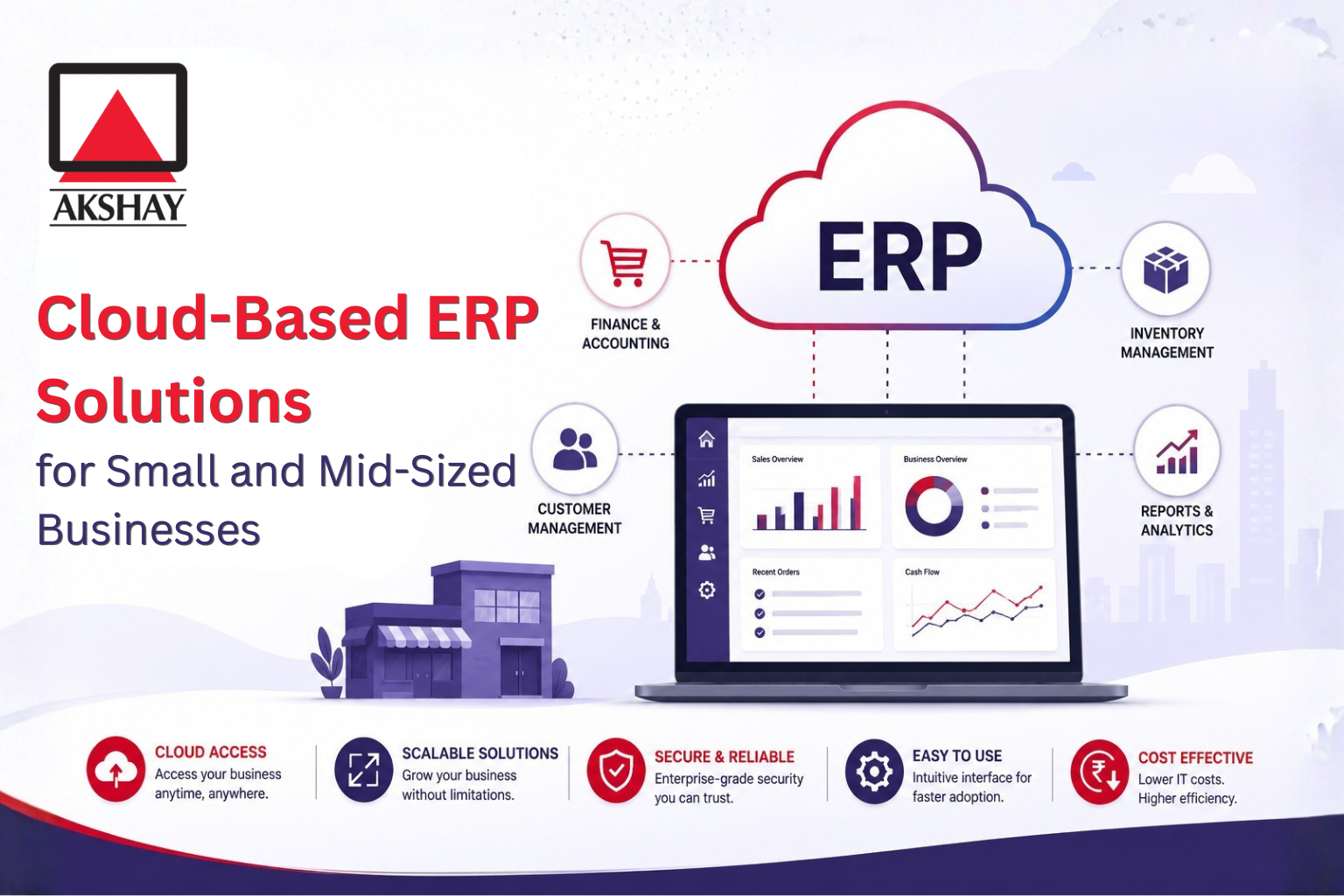
The Indian economy is growing fast. Small and mid-sized businesses must update their ways to keep up. Digital transformation is now key for survival, not just for big companies.
Using Cloud-Based ERP Solutions is vital for growth. It helps businesses move past old systems. This makes them quick to adapt to changes.
Switching to an ERP platform helps teams work better and save money. In India’s competitive market, having the right tech can make all the difference. It’s the best way to grow for the future.
Key Takeaways
- Modern technology is essential for the growth of Indian small and mid-sized businesses.
- Digital transformation provides a critical competitive advantage in a fast-paced market.
- Centralized data management improves decision-making speed and accuracy.
- Moving to the cloud reduces long-term operational costs and infrastructure burdens.
- Agility is the primary benefit of upgrading legacy business management systems.
The Evolution of Business Management in the Indian Market
The move to digital platforms is changing how small and mid-sized businesses compete globally. For years, Indian firms used manual processes and old tools for daily tasks. This led to scattered information and slow decision-making.
Now, business management software is a must, not a luxury. Companies are leaving behind isolated spreadsheets for integrated systems. This change is key to staying ahead in today’s fast economy.
Shifting from Legacy Systems to Modern Cloud Infrastructure
The move to the cloud is a big step for growing businesses. Old systems were expensive and hard to reach. Cloud access lets teams work from anywhere, which is key for today’s teams.
Digital transformation for SMBs is more than just new hardware. It’s about changing how work is done. Cloud systems can grow or shrink with demand, freeing up time for innovation.
The Unique Challenges Faced by Indian SMBs
Indian businesses see the cloud’s benefits but face unique challenges. They must navigate local laws with software that meets these needs. Without the right tools, they face several hurdles:
- Data Silos: Separate departments make it hard to see the whole picture.
- Regulatory Compliance: Keeping up with GST and taxes is tough with old systems.
- Implementation Costs: Finding affordable, advanced software is a big worry.
For digital transformation for SMBs, a smart plan for legacy system migration is key. The right business management software helps Indian companies overcome these issues. Embracing these changes is the best way to grow and stay stable in a changing market.
Understanding Cloud-Based ERP Solutions and Their Core Functionality
Cloud-Based ERP Solutions change how mid-sized companies work. They move away from expensive hardware. Now, businesses can use powerful tools online.
This change lets teams focus on growing instead of server upkeep.
Defining Cloud ERP Architecture
These systems use remote servers for data and apps. A big cloud infrastructure benefit is no need for local IT. Reliability and uptime get better because the provider handles updates and security.
Key Modules Essential for Mid-Sized Operations
Mid-sized companies need to see how they’re doing to stay ahead. A modern system puts all departments on one platform. This makes sure data moves well across the company. Key modules include:
- Real-time reporting dashboards
- Human resource management tools
- Customer relationship management integration
- Procurement and vendor management
Financial Management and Accounting Automation
Financial management automation changes the game for businesses. It cuts down on mistakes by automating tasks like invoicing. Finance teams can plan better.
This precision keeps tax compliance and reports accurate all year.
Supply Chain and Inventory Tracking
Good inventory management systems show stock levels everywhere. Tracking goods in real-time helps avoid stock issues. Streamlined logistics mean faster delivery and happier customers in India.
Strategic Advantages of Adopting Cloud ERP for Growth
The digital transformation is changing how businesses work in India. Companies using business management software can handle today’s fast economy better.
Cost Efficiency and Reduced Capital Expenditure
Switching to the cloud means less upfront costs. No need for expensive servers or maintenance teams. This lets businesses focus on growing.
These cloud infrastructure benefits help mid-sized companies save money. You only pay for what you use, which saves your cash flow.
| Feature | Legacy Systems | Cloud ERP |
|---|---|---|
| Initial Investment | High (CapEx) | Low (OpEx) |
| Maintenance | Internal IT Team | Vendor Managed |
| Updates | Manual/Costly | Automatic/Included |
Real-Time Data Accessibility for Informed Decision Making
Good info is key for any business. Cloud systems give leaders real-time data for quick decisions.
Managers can see live updates on sales and finances. This helps everyone work together towards the company’s goals.
Scalability to Support Rapid Business Expansion
Your tech needs to grow with your business. A scalable ERP for growth lets your system grow without a big change.
Whether you’re opening new places or adding products, the cloud helps. It lets you add users and features as needed. This is essential for staying ahead.
Key Considerations for Selecting the Right ERP Vendor in India
Finding the right ERP vendor is key to a successful digital change. It’s a critical step for any business planning to implement ERP in India. By focusing on local needs, businesses can avoid common mistakes and ensure success.
Compliance with Local Tax Regulations and GST Integration
The Indian tax scene changes often. It’s vital to pick a platform that keeps up with these changes. Your system must be a strong GST compliant software to handle tax filings and checks. This cuts down on mistakes and keeps your financial reports accurate during audits.
Data Security Standards and Sovereignty Requirements
Keeping data safe in the cloud is a big deal. Make sure your vendor follows strict security rules and respects local data laws. Protecting your intellectual property and customer data is essential in today’s digital world.
Vendor Support and Local Implementation Expertise
The quality of service from your tech partner is also important. Good ERP vendor selection means finding teams with local support and industry knowledge. Having experts nearby helps your team get the training and help they need to get the most from your investment.
| Selection Criteria | Importance Level | Key Benefit | Local Impact |
|---|---|---|---|
| GST Compliance | Critical | Automated Tax Filing | High |
| Data Sovereignty | High | Regulatory Adherence | High |
| Local Support | Medium | Faster Troubleshooting | Medium |
Top Cloud-Based ERP Solutions Transforming Indian Businesses
The Indian market has many digital tools for business management. Choosing the right Cloud-Based ERP Solutions is key. It affects how well a company manages its resources.
Each platform has its own strengths. They meet different needs and sizes of organizations.
Oracle NetSuite for Enterprise-Grade Scalability
Oracle NetSuite is great for businesses growing fast. It’s a Scalable ERP for growth. You can add new modules as your needs change.
Flexibility is its main advantage. It lets your infrastructure grow with your ambitions.
SAP Business One for Integrated Process Control
SAP Business One gives deep insight into your organization. It centralizes data for integrated process control. This helps managers make quick, informed decisions.
It’s best for mid-sized companies. They need to link their supply chain, finance, and sales smoothly.
TallyPrime with Cloud Connectivity for Local Compliance
TallyPrime is popular in India for its easy use and reliability. Now, it’s a GST compliant software with cloud connectivity. It makes tax filings easier.
It’s great for businesses that focus on local regulatory adherence and simplicity.
| Solution | Primary Strength | Best For |
|---|---|---|
| Oracle NetSuite | Global Scalability | Rapidly Expanding Firms |
| SAP Business One | Process Integration | Operational Efficiency |
| TallyPrime | Local Compliance | GST-Focused Businesses |
Choosing a Cloud-Based ERP Solution depends on your goals. Whether you need a Scalable ERP for growth or a reliable GST compliant software, these top providers can help. They build a strong digital base for your business.
Overcoming Common Implementation Hurdles
Switching to a new digital system is more than just installing software. It’s about changing how you think. Successful ERP implementation India projects need good planning for the team’s change. Leaders must get their teams ready for the new technology.
Managing Organizational Change and Employee Training
People naturally resist change when new ways replace old ones. Companies should focus on comprehensive training programs. This makes sure staff feels sure about using the new system.
When people see the good in the system, they’re more open to change. Ongoing support is key during the start. Workshops and online tutorials help fill skill gaps fast. This makes sure the company gets the most from its software.
Ensuring Seamless Data Migration from Legacy Systems
Switching data from old systems is a big challenge. Legacy system migration needs careful data cleaning to avoid mistakes. Keeping data integrity is key for accurate reports.
Businesses must also keep data security in cloud environments safe during the move. Encrypting important info keeps the company safe. A step-by-step migration lowers the risk of problems.
Balancing Customization Needs with Standardized Workflows
Many want to change every part of their software to fit old ways. But, too much change can be costly and hard to keep up. It’s better to change how you work to fit the best practices in modern ERP systems.
Choosing the right ERP vendor is important for finding a good balance. A good partner helps you know what really needs to be changed. Keeping the main system standard makes updates easier and helps grow in the long run.
| Strategy | Primary Focus | Expected Outcome |
|---|---|---|
| Change Management | Employee Adoption | Higher User Satisfaction |
| Data Migration | Information Accuracy | Reliable Business Insights |
| Workflow Alignment | Process Efficiency | Reduced Operational Costs |
The Role of Artificial Intelligence and Analytics in Modern ERP
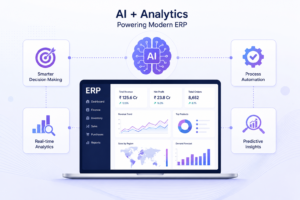
Digital transformation for SMBs is getting better with machine learning. Indian businesses face a tough economic scene. AI in business operations is key for success. It helps make smart, data-based decisions.
Predictive Analytics for Demand Forecasting
Today’s systems use predictive analytics ERP for future planning. They look at past sales and market trends. This helps spot trends humans might miss.
Anticipating market shifts is easier now. Accurate demand prediction lets companies plan better. This means resources are used wisely.
Automating Routine Tasks with Machine Learning
The move to financial management automation helps teams a lot. Machine learning does boring tasks fast and right. This frees up people to do more important work.
Automating tasks makes teams more flexible. They can focus on new ideas and customer service. Here’s why it’s good:
- Enhanced Accuracy: Machine learning cuts down on data entry mistakes.
- Operational Efficiency: Workflows are faster, saving time.
- Strategic Focus: Staff can work on projects that grow the business.
- Cost Reduction: Less overhead means better use of resources.
Future Trends in Cloud ERP Technology
Looking ahead, new innovations will change how Indian businesses work. The next software will be more than just data entry. It will be a proactive partner in growth. This keeps companies ahead in a digital world.
The Rise of Mobile-First ERP Interfaces
The move to mobile-first ERP is big. It lets business owners work from anywhere. They can approve orders or check cash flow without being at a desk.
This makes it easier for teams to work together. Field staff and sales teams get data fast. This means quicker responses to events, keeping businesses agile.
Integration with IoT for Manufacturing and Logistics
Cloud systems and IoT are changing how we work. They connect machines to the cloud, giving unprecedented visibility into production. This is key for managing inventory well.
IoT sensors track goods in real-time. This cuts down on stock issues. It makes supply chain data more accurate, vital for fast-paced markets.
These advances also boost AI in business operations. With predictive analytics ERP, companies can see market changes early. Adopting these trends will help leaders in their fields.
Conclusion
The move to cloud-based management is changing the Indian business scene. Companies that use these tools stand out more. It’s important to pick the right platform for your goals.
Today’s leaders should see technology as a key asset, not just a cost. Using a mobile-first ERP lets teams work from anywhere. This makes them more productive and keeps everyone updated.
It’s also key to plan for growth. Investing in strong infrastructure now saves money later. Companies that focus on being agile will handle changes better.
Start by checking your current workflows for any missing pieces. Work with your team to smoothly adopt new digital steps. Your drive for innovation will shape your company’s future.