
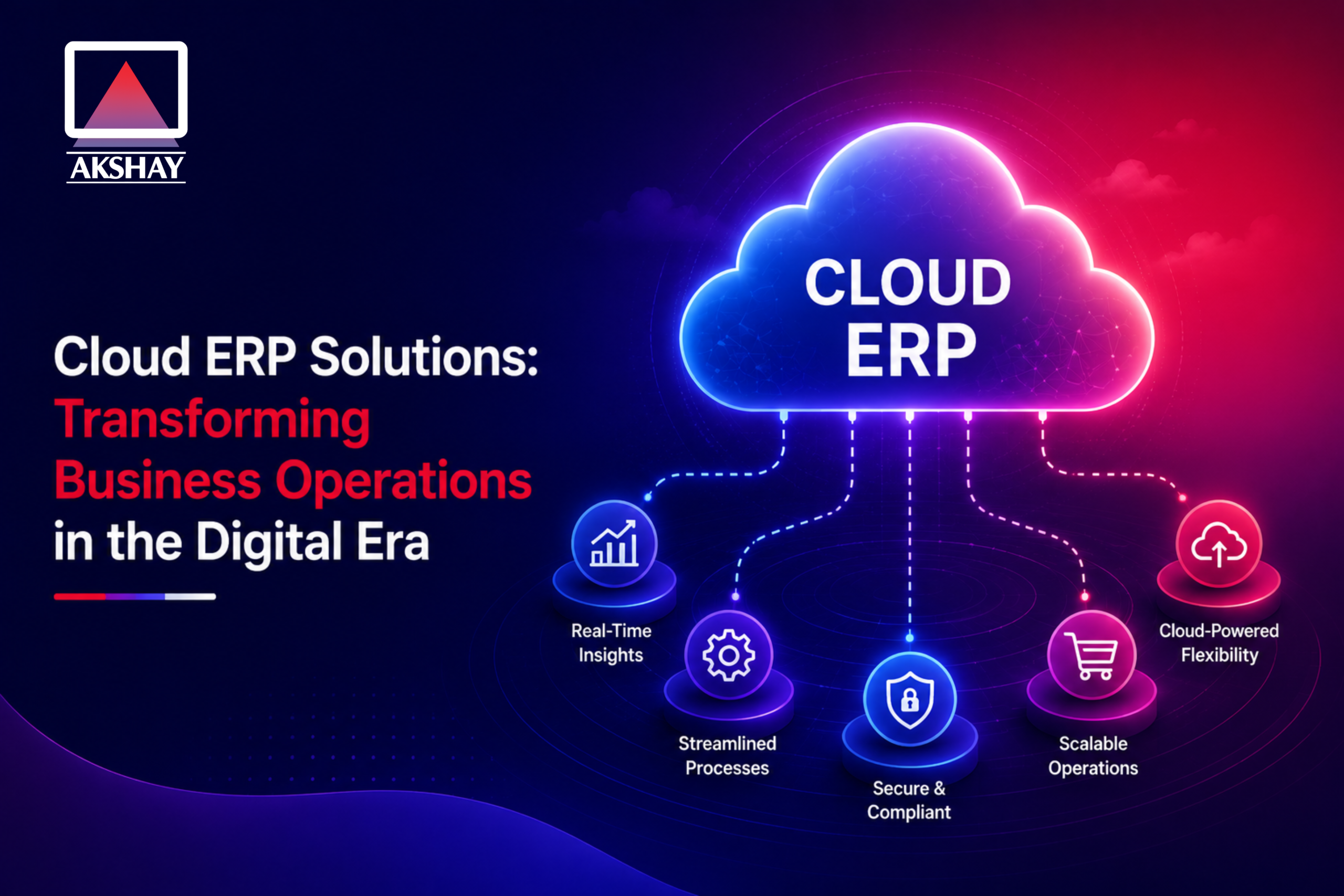
The Indian corporate world is changing fast. Old ways of managing don’t work anymore. To keep up, companies need cloud erp solutions to make their business operations smoother.
Digital tools help businesses grow. They move data to one place, giving insights for quick decisions. Now, it’s not just a choice; it’s a strategic necessity for success.
Updating your setup keeps your team quick and sharp. Cloud erp solutions help you grow without spending too much. Using tech to improve business operations is the best way to thrive today.
Key Takeaways
- Digital transformation is essential for Indian companies to remain competitive globally.
- Centralized data management improves decision-making speed and accuracy.
- Transitioning to modern platforms is a strategic requirement for sustainable growth.
- Scalability becomes easier when infrastructure is hosted on remote servers.
- Reducing operational overhead helps firms allocate resources toward innovation.
Understanding the Shift to Cloud ERP Solutions in India
Enterprise resource planning has changed a lot. It used to be tied to expensive servers that needed a lot of care. This made it hard for businesses to grow fast.
The Evolution of Enterprise Resource Planning
Old systems were hard to update and made data hard to share. This made it tough to make good decisions. Now, we have cloud adoption which is a big step forward.
Today’s systems can process data in real time. This was not possible before. Moving to the cloud lets businesses access important info from anywhere. It’s a big change from old, expensive setups to new, flexible ones.
Why Indian Businesses are Moving to the Cloud
The Indian market is seeing a lot of digital changes. Many local businesses are going to the cloud to keep up with big players. They want to grow fast and not spend a lot upfront.
India also has strict rules like GST. Cloud enterprise resource planning makes it easy to follow these rules. It updates itself, so businesses don’t have to worry about it. This is why more and more businesses are moving to the cloud.
Key Benefits of Cloud-Based Architectures
Going cloud-first gives businesses a big advantage in the indian market. It lets them focus on what they do best, not IT. Here are some key reasons why this is important:
- Scalability: You can change how much you use based on needs.
- Remote Accessibility: Your team can work from anywhere with internet.
- Enhanced Security: You get top security and updates from big companies.
- Cost Efficiency: You pay a set amount each month, not a lot upfront.
In short, enterprise resource planning in the cloud is a must. As more businesses move to the cloud, they’ll be ready for today’s economy.
Assessing Your Business Readiness for Digital Transformation
Starting a digital transformation means looking at your IT first. You need to see how your tech helps or hinders your work. This check helps you make smart choices about what to buy.
Evaluating Current IT Infrastructure
Your IT is key to your business. Start by listing all your tech, like computers and software. Checking these things shows if you’re ready for cloud tech.
- Hardware lifecycle: Find out if any devices are old.
- Network bandwidth: Make sure your internet is fast enough for cloud use.
- Software compatibility: See if your apps work with new tech.
Identifying Pain Points in Legacy Systems
Old systems can hold you back. They’re not flexible for today’s fast changes. Find out where these systems slow you down.
Look for things like manual data entry and slow reports. By knowing these problems, you can fix them first. Spotting these issues helps make your business more flexible.
Establishing a Digital Transformation Roadmap
After checking your current setup, plan your next steps. A good plan matches your tech upgrades with your goals. It breaks the change into easy steps to avoid big problems.
Your plan should cover a few key areas:
- Phased implementation: Start with less important parts first.
- Resource allocation: Set aside money for new tech and training.
- Goal setting: Set clear goals to measure your digital transformation success.
By planning carefully, you can move away from old systems smoothly. Good planning helps your whole team adjust well.
Defining Your Operational Requirements and Goals
Modernizing your business operations means looking at your current workflows and goals. A good digital transformation needs more than new software. It needs a clear plan to solve your specific problems. This way, your investment will bring value for many years.
Mapping Core Business Processes
Before improving your systems, document your current business processes in detail. Identify every step in your organization, from getting supplies to delivering the final product. Visualizing these workflows helps find bottlenecks that slow you down.
Work with department heads to get accurate data on daily tasks. This teamwork makes sure no important function is missed. A clear map is your guide for setting up your new system.
Setting Measurable KPIs for ERP Success
You can’t manage what you don’t measure. To see if your system is working, set specific Key Performance Indicators (KPIs). Quantifiable metrics help you see if your new system is up to par.
Track these metrics to see how you’re doing:
- Reduction in manual data entry time.
- Improvement in inventory turnover ratios.
- Decrease in order-to-cash cycle duration.
- Enhanced accuracy in financial reporting.
Prioritizing Features Based on Industry Needs
Every business is different. To boost operational efficiency, focus on the erp modules that solve your specific problems. For example, a manufacturing firm in India might need better supply chain visibility. A retail business might focus on integrating all sales channels.
Choose features that give you the most bang for your buck. Don’t try to use every module at once. This can make things too complicated. Instead, prioritize core functionalities that help you achieve your main goals and help your team right away.
Evaluating Top Cloud ERP Vendors for the Indian Market
Finding the right cloud ERP solutions is key for success in the Indian market. Businesses need more than basic features. They must find a platform that fits their growth and culture.
A careful evaluation process is important. It helps avoid risks and ensures a good return on investment.
Comparing Global Players like SAP and Oracle
Big names like SAP and Oracle offer strong systems for big businesses. They have deep features and analytics for managing global supply chains. SAP S/4HANA and Oracle NetSuite are top choices for those seeking top performance.
But, these giants need careful thought. They require a lot of change management and training. Your choice depends on your IT setup and daily needs.
Considering Localized Compliance and GST Integration
India’s tax rules are complex. You need software that gets local taxes. GST integration is essential for keeping finances right and avoiding fines. Vendors that focus on localized compliance help keep your taxes accurate.
Check if your vendor can keep up with tax law changes. A system that can’t adapt is a problem. Strong compliance features let your finance team focus on growth.
Analyzing Scalability and Support Services
Scalability means your system grows with your business. It should handle more data and users easily. Reliable support services are also key for quick help from local experts.
| Vendor Attribute | Global Leaders | Mid-Market Specialists |
| GST Integration | High (Native/Add-on) | High (Native) |
| Scalability | Enterprise-Grade | Flexible/Modular |
| Local Support | Partner Network | Direct/Dedicated |
Choose vendors with dedicated local support. They know India’s business challenges. Good support lowers costs and ensures success.
Planning the Migration Strategy for Seamless Integration
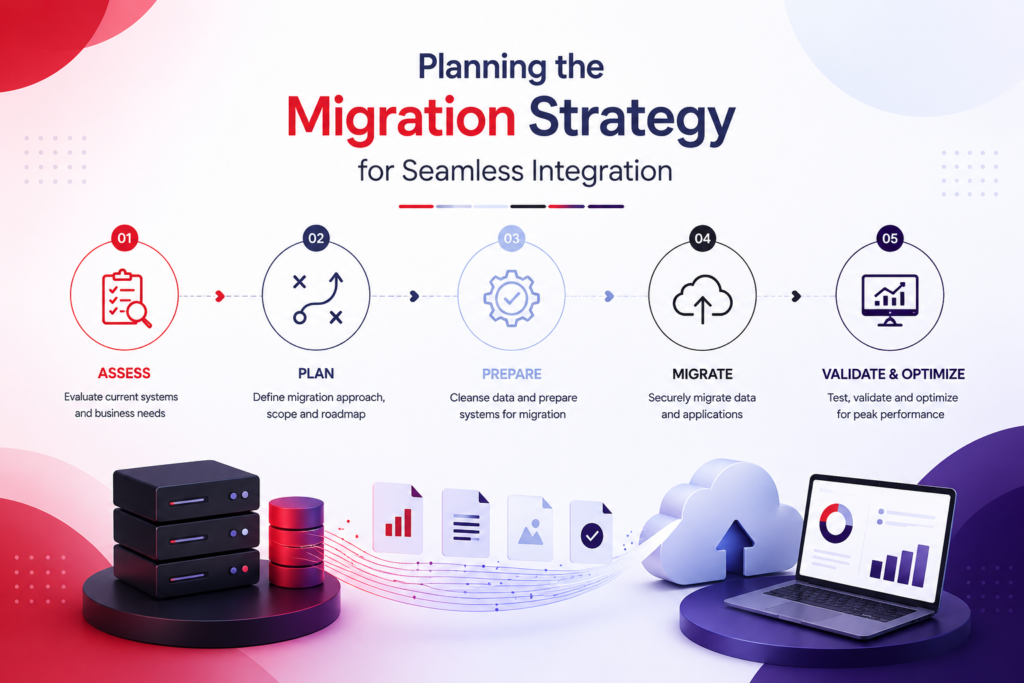
Planning your migration strategy is key to updating your business. A good plan reduces downtime and makes sure your cloud migration fits your business goals. It helps avoid problems that can stop big digital projects.
Choosing Between Phased and Big Bang Rollouts
Choosing how to introduce your new system is a big decision. A Big Bang rollout moves everything to the new system at once. It’s quick but risky. On the other hand, a phased rollout moves things step by step. This lets teams fix problems in smaller parts.
- Big Bang: Good for small groups with few connections.
- Phased: Best for big companies that need little disruption.
- Risk Mitigation: Phased rollouts are safer, making it easier to go back if needed.
Managing Stakeholder Expectations
For a successful erp implementation, clear communication is key. You must tell leaders, managers, and users about the plan and benefits. Good change management lowers worries and encourages people to accept the change.
Keep everyone updated and open about progress. When people know what’s happening, they’re more likely to help. Consistent engagement keeps the project moving forward.
Allocating Resources and Budgeting for Implementation
Planning your cloud migration budget needs a full view of costs. This includes software, data cleaning, training, and possible dips in work during the start. A good erp implementation budget helps deal with unexpected tech issues.
It’s also important to have the right people for the job. A team with IT and business experts is best. This team works together to make sure the system fits your business needs and stays within budget.
Executing the Implementation Process Step-by-Step
A well-planned deployment phase is key to a successful enterprise resource planning project. After the strategy is set, the focus is on the technical setup of the cloud environment. This stage needs careful attention to ensure the software meets your goals.
Configuring the ERP Environment
The first step in erp implementation is setting up the cloud infrastructure. IT teams must create secure connections and define user roles. They also need to configure the database architecture. Proper configuration is the base for all future operations.
During setup, admins must make sure the cloud environment is fast and reliable. Setting clear parameters early helps avoid technical problems later. This keeps system performance high as data grows.
Customizing Modules for Specific Business Workflows
Every company has unique business processes that standard software might not cover. Customizing erp modules lets your team tailor the system to fit your operations. This makes sure employees find the system easy to use.
In the Indian market, this often means adding local tax features or specific supply chain workflows. By modifying these tools, you make sure the software fits your industry needs. Flexibility during this phase is key to long-term user adoption.
Conducting User Acceptance Testing
Before going live, your team must do thorough user acceptance testing. This involves real users testing the software in real scenarios to find any gaps. It’s the last check to make sure the system meets all needs.
Testing confirms the system handles complex tasks well. If problems come up, they can be fixed before the system is fully used. This focus on quality assurance protects your investment and ensures a smooth transition.
| Implementation Phase | Primary Objective | Key Success Factor |
| Environment Setup | Infrastructure readiness | Security and connectivity |
| Module Customization | Workflow alignment | User-centric design |
| Acceptance Testing | Functional validation | Error-free performance |
| Final Deployment | System go-live | Stakeholder readiness |
Managing Data Migration and Security Protocols
Data integrity and security are key for a successful digital change. Moving from legacy systems to a new platform is a big step. It’s important to keep your data quality high during this time.
Cleaning and Validating Legacy Data
First, check your old databases for bad or old data. Data cleansing helps avoid problems with new software. Making sure data is the same format helps your new system work well right away.
Use automated scripts to find and fix any wrong data. This keeps your reports accurate. Clean data is the base for good business decisions and smooth operations.
Ensuring Data Privacy and Compliance with Indian Laws
In India, you must follow strict rules like the Digital Personal Data Protection (DPDP) Act. Your compliance plan must protect user data well. Make sure your gst integration meets tax laws.
Do regular checks to make sure you follow all laws. Being open about how you handle data builds trust. Staying ahead of legal needs helps avoid big problems.
Implementing Robust Access Controls
Strong data security needs many layers of protection. Use Role-Based Access Control (RBAC) to limit who sees what. This helps prevent data leaks or wrong changes.
- Multi-Factor Authentication (MFA): Adds a strong defense against bad logins.
- Encryption Protocols: Keeps data safe when it’s not moving and when it is.
- Audit Logs: Shows who did what, helping spot odd behavior.
These strict rules make a safe place for your digital work. Keep watching these rules to catch and fix problems fast. Keeping your digital stuff safe is always important for your company’s future.
Training Your Workforce for Cloud Adoption
Getting your team ready for cloud adoption is key. It’s not just about the tech. Your team’s skills make the investment worth it. A ready team keeps your digital shift smooth.
Developing Comprehensive Training Programs
Training should fit each job role, not be one-size-fits-all. This way, finance, supply chain, and HR teams learn what they need. It makes learning faster and boosts everyone’s confidence.
Hands-on practice is key in training. Teams should test the system before it goes live. This helps find issues and gets feedback before the big launch.
Overcoming Resistance to Change
New systems can make staff nervous. A good change management plan helps. Leaders should talk about how the new system will help everyone.
Being open is the best way to build trust. Here are some tips:
- Have town hall meetings to answer questions.
- Choose “super users” to help their peers.
- Celebrate small wins to keep everyone’s spirits up.
Providing Ongoing Support and Documentation
Support doesn’t stop after the system is up. Keeping your team productive and using the system is important. They need a place to find quick answers to tech problems.
Good documentation is a safety net for your team. Use videos, guides, or a help desk. This keeps your team strong and your business growing.
Monitoring Performance and Optimizing Cloud ERP Workflows
Once your system is live, the real work starts. You need to make your operational efficiency better. Keeping your cloud ERP solutions top-notch means always improving. This way, your software grows with your business.
Tracking System Performance Metrics
Keeping an eye on system performance is key. Watch server times, API speed, and database use. This helps spot problems before they slow down your team.
Good monitoring helps your system grow with your needs. If you see patterns in how much resources are used, adjust your cloud setup. This keeps your team fast and efficient.
Gathering User Feedback for Continuous Improvement
Numbers only tell part of the story. You need to hear from the people using the system. This helps you see how it affects their work.
Here are ways to get useful feedback:
- Regular surveys to find out what’s hard.
- Monthly meetings to talk about training.
- Digital boxes for new feature ideas.
Listening to your team makes them more likely to use the system well. This helps improve how things work.
Leveraging Analytics for Strategic Decision Making
Today’s systems offer lots of data. This data can help you make smart choices. Use reporting tools to understand your business and market.
These insights help with planning and using resources wisely. While growing, remember to keep your data safe. This is important in every decision.
Data-driven strategies help you move fast in a competitive world. Simple, clear dashboards help everyone work towards success.
Conclusion
Cloud ERP solutions are changing the game for businesses in India. They make complex tasks easier and let companies see what’s happening in real time.
But, success in the digital world is not just about picking a system like SAP or Oracle. It’s about planning well and keeping data safe. Leaders must protect sensitive information to keep trust high.
Investing in your team is key for growth. Trained employees work better with new systems and get more done. This focus on people makes technology work for your business.
Your path to being digitally mature is always evolving. Use data and flexible workflows to stay ahead. Begin your journey now to build a strong base for the future.