
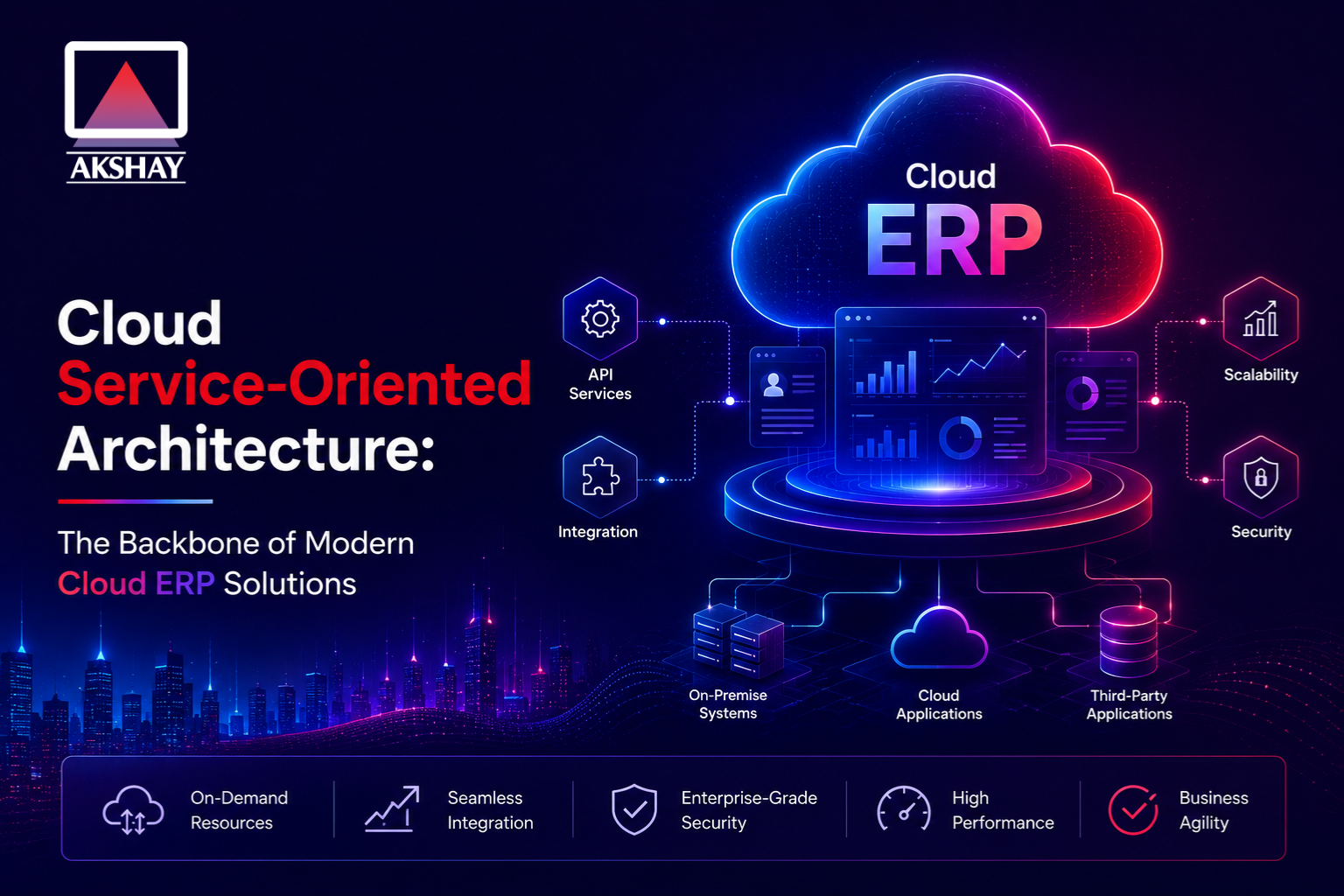
Businesses all over are quickly adopting digital transformation India to keep up. They need to leave old systems behind to grow and be quick.
Using a Cloud Service-Oriented Architecture helps them be flexible. It lets them innovate without being held back by tech issues.
This change is key for strong cloud ERP solutions that grow with your business. Now, companies see it as a must, not just an upgrade. It’s the base for staying ahead in today’s fast digital world.
Key Takeaways
- Digital transformation in India needs flexible, modern infrastructure.
- Decoupling business logic means faster updates and deployment.
- Scalability is a big win from leaving old systems behind.
- Modern ERP platforms give the speed needed for quick market changes.
- Strategic architectural shifts are now a must for business survival.
Understanding the Fundamentals of Cloud Service Oriented Architecture
Cloud service oriented architecture is key for today’s fast business world. It breaks down big systems into smaller parts. This lets companies quickly change with the market.
The way enterprise software architecture has changed is huge for Indian businesses. Before, they used big, connected systems. If one part failed, the whole thing could stop working, costing a lot of time and money.
Now, systems focus on modularity and loose coupling for better uptime. Services work alone, so updates don’t mess up everything. This makes it easier to add new things without breaking the system.
Knowing these basics helps leaders see why cloud-based systems are so flexible. By thinking in services, companies can easily add new tech as they grow. Here’s a table showing old vs. new ways of building systems.
| Feature | Monolithic Architecture | Service-Oriented Architecture |
| System Structure | Single, unified codebase | Independent, modular services |
| Scalability | Difficult and resource-heavy | Highly scalable per module |
| Maintenance | High risk of system-wide failure | Isolated updates and fixes |
| Deployment | Slow, infrequent releases | Rapid, continuous delivery |
Switching to a more agile enterprise software architecture is vital for success. As Indian companies go digital, using cloud service oriented architecture will help them stay ahead. Flexibility is now a must for any business to survive.
Assessing Your Business Readiness for Cloud ERP Integration
Many Indian businesses jump into digital changes without checking their current setup. Before making a big move, it’s key to look at your current operations. This check makes sure your switch to cloud ERP solutions fits your future plans.
Doing a detailed check helps spot missing pieces in your setup. By looking at your ERP integration early, you can dodge common problems that can slow down the start. Spending time on this now can save you from big delays later.
To see if your company is ready for this change, think about these key points:
- Technical Debt Audit: Find old software that might block cloud connections.
- Operational Maturity: Check if your team can handle a cloud setup.
- Data Integrity: Make sure your data is clean and ready for the move to new cloud ERP solutions.
- Process Standardization: Write down your main workflows to get them ready for automation.
Good ERP integration needs more than new software; it’s about how teams share info. You must see if your current ways work with a new, service-based system. Building a solid base now will bring big benefits in efficiency and growth for years.
Step One: Defining Your Service Portfolio and Business Requirements
Before moving to the cloud, find out which processes are key to your business. A clear service portfolio is the base of your digital change plan. By checking your current work flows, you can pick business process automation for the best results.
Identifying Core Business Processes for ERP Automation
Not all tasks need to be moved to the cloud right away. Focus on important areas like managing stock, following GST rules, and handling supply chains. These areas often see the biggest benefits from streamlined digital workflows.
By automating these tasks, you cut down on mistakes. Your team can then work on growing the business instead of just entering data. Efficiency is the ultimate goal for any modern Indian business.
Mapping Service Dependencies Across Departments
Your ERP modules need to work together well. It’s key to see how data moves between finance, HR, and sales. This helps avoid data silos that slow down growth.
Knowing these connections helps build a strong system. Good business process automation depends on these links to keep data right across the system. Interdepartmental transparency is vital for a cloud ERP to work well.
By writing down these links early, you avoid big problems later. Clear communication between leaders makes sure the service portfolio meets everyone’s needs. This careful planning keeps your operations stable for the future.
Step Two: Selecting the Right Cloud Infrastructure for Indian Market Compliance
Choosing the right cloud environment is key for businesses in India. As digital changes grow, companies must match their cloud infrastructure India with goals and laws. A good plan avoids big moves and keeps your ERP safe and open.
Evaluating Local Data Residency Requirements
India’s market rules are strict, thanks to the RBI and MeitY. They say financial and personal data must stay in India. Getting data residency compliance is vital for your license and trust with customers.
Look for sovereign cloud capabilities from providers. Here’s how to check your storage plan:
- Make sure your cloud provider has data centers in India.
- Check their rules on moving data across borders.
- Make sure backups and disaster recovery sites are in India too.
Comparing Public, Private, and Hybrid Cloud Models
Choosing a model depends on your security needs and budget. Public clouds are great for growing, but private clouds are safer for sensitive data. Many choose hybrid for the best of both.
| Model | Security Level | Scalability | Compliance Ease |
| Public | Standard | High | Moderate |
| Private | High | Low | Excellent |
| Hybrid | Balanced | High | High |
A hybrid model is often the best choice for big ERP setups in India. It keeps important data safe while using public clouds for less critical tasks. This way, your business stays flexible and follows local rules.
Step Three: Designing Modular Services for ERP Interoperability
Building a modular ecosystem is key for businesses to grow in India. It helps move away from old, stiff systems. Flexibility is key for success in today’s digital world.
Adopting Microservices for ERP Flexibility
Switching to microservices architecture breaks down big ERP tasks into smaller parts. Each part handles a specific task, like managing stock or handling payrolls. This way, changes in one part don’t mess up the whole system.
This setup lets IT teams update or add new features quickly. It’s great for Indian businesses that need to keep up with changing rules and standards. Decoupling services also means less chance of big problems during busy times.
Standardizing Communication Protocols
Good communication between different software parts is key for working well together. When they talk the same language, data moves easily across the company. This stops data from getting stuck in silos that slow down decisions.
Implementing RESTful APIs for Seamless Integration
RESTful API integration is the best way to link these modular parts. These APIs are light, flexible, and safe for sharing info. They help both new and old systems work together smoothly.
The table below shows how monolithic systems differ from modern modular ones:
| Feature | Monolithic ERP | Microservices ERP |
| Deployment | Full system restart | Independent module updates |
| Scalability | Limited to whole system | Granular, per-service scaling |
| Maintenance | High complexity | Simplified, isolated tasks |
| Integration | Rigid, custom coding | Flexible, API-driven |
Using these standards helps build a future-proof setup. As your business grows, this modular base will make adding new services and tools easy.
Step Four: Implementing API Management and Security Protocols
Modern ERP systems use APIs a lot. This makes security very important for Indian businesses. When you share your business data online, you need strong ERP security protocols to keep it safe. A good API plan helps keep your digital changes safe from cyber threats.
Securing Data in Transit and at Rest
Keeping data safe needs many steps. Make sure all data moving online is protected by data security standards like TLS 1.3. This stops hackers from getting in the way.
Also, data stored in your cloud must be encrypted. AES-256 encryption keeps your critical business intelligence safe, even if someone tries to get into your system. These steps are key to keeping your stakeholders’ trust.
Managing Identity and Access Control
Identity and access management is like a guard for your ERP. By giving users only what they need, you lower the chance of data leaks. This is called the principle of least privilege.
Having one place for identity management makes rules easier to follow. It also helps meet rules from local governments. Consistency is key in managing who can do what in the cloud.
Best Practices for Multi-Factor Authentication in ERP
Multi-factor authentication (MFA) adds an extra layer of protection against stolen passwords. Here are some tips to make your identity and access management better:
- Use hardware tokens for admin accounts to stop phishing.
- Use TOTP for regular users to keep data security standards.
- Have risk-based authentication for extra checks when logging in from new places.
- Change authentication keys often to keep your ERP security protocols strong.
By adding these security steps, you make a strong place for growth and safety. Proactive management of these steps is the best way to protect your business’s future.
Step Five: Orchestrating Data Flow Between Legacy Systems and Cloud ERP
Moving from old software to the cloud needs a smart plan. Many Indian companies see legacy system migration as more than just moving data. It’s about making everything work together smoothly. Good ERP integration keeps your business running smoothly during this big change.
Developing Middleware Solutions for Legacy Connectivity
To link new cloud systems with old ones, strong cloud middleware is key. It helps different systems talk to each other without changing everything at once. With an API-led layer, you can share old data with your new ERP.
Middleware solutions help by making different data types and ways of talking work together. This way, you can update your IT bit by bit, not all at once. It keeps your business running without big risks.
Ensuring Data Consistency Across Distributed Systems
Having one true source of data is critical when data is in both local servers and the cloud. Mistakes in data can cause big problems, like wrong GST reports. You need strict rules to keep all data the same everywhere.
Here are some tips for keeping your data reliable:
- Implement real-time synchronization to cut down on data errors.
- Use automated reconciliation tools to spot and fix mistakes right away.
- Make idempotent service calls to avoid double entries when networks fail.
- Keep detailed logs to track data as it moves through your system.
By focusing on these areas, you can overcome the hurdles of legacy system migration. A well-planned data flow is key to a strong ERP integration plan. The right cloud middleware now will help your business run better for a long time.
Step Six: Ensuring Scalability and Performance Optimization
As your business grows, your cloud architecture must adapt to handle increasing data demands. Keeping your system responsive is key for daily operations. This is even more important when user activity spikes unexpectedly. By focusing on cloud scalability, organizations can ensure their digital infrastructure remains robust and reliable.
Achieving consistent ERP performance optimization requires a strategic approach to resource management. Systems designed to handle fluctuating workloads avoid downtime and slow speeds. This proactive stance lets teams focus on growth, not troubleshooting.
Load Balancing Strategies for High-Traffic ERP Modules
Effective load balancing acts as a traffic controller for your digital environment. It spreads incoming requests across multiple servers to prevent any single node from becoming overwhelmed. This method is essential for high-traffic modules like payroll processing or inventory management during end-of-month cycles.
Implementing these strategies provides several key benefits for your enterprise:
- Reduced Latency: Users experience faster response times even during peak hours.
- High Availability: Traffic is automatically rerouted if a specific server fails.
- Improved Throughput: The system handles a higher volume of concurrent transactions efficiently.
Utilizing Auto-Scaling Features in Cloud Environments
Modern cloud platforms offer powerful tools to adjust resources in real-time. Auto-scaling allows your ERP to add or remove computing power based on current demand. This ensures that you only pay for the resources you actually use, which is a cost-effective way to maintain high performance.
By leveraging these automated features, your IT team can eliminate the need for manual intervention during sudden traffic surges. This dynamic flexibility is a cornerstone of modern cloud architecture. It guarantees that your business remains agile and ready to meet the evolving needs of the Indian market without compromising on speed or stability.
Step Seven: Managing Governance and Compliance in the Indian Regulatory Landscape
Indian businesses have to follow strict rules. They need to set up their digital systems carefully. Proactive management of these rules helps avoid big fines and keeps operations smooth.
Adhering to GST and Local Tax Reporting Standards
A GST compliance ERP is key for businesses in India. It must handle tax calculations, invoice making, and filing with GSTN. This makes sure your money reports are right.
Good ERP systems update fast when tax laws change. This lets your finance team grow the business instead of just doing paperwork. Consistency in tax reporting is important for good relations with the government.
Maintaining Audit Trails for Financial Transparency
Being open about money means tracking every deal. You need to keep records of all changes and actions. These logs help with checks and audits.
Keeping financial info local is also important. It meets Indian rules. Robust encryption and strict rules on who can see data protect it. Only the right people can look at or change important records.
| Compliance Category | Primary Objective | Implementation Strategy |
| GST Reporting | Tax Accuracy | Automated GSTN Integration |
| Data Residency | Local Sovereignty | Regional Cloud Hosting |
| Audit Trails | Transparency | Immutable Log Storage |
| Security | Risk Mitigation | Multi-Factor Authentication |
Step Eight: Monitoring and Maintaining Your Cloud SOA Ecosystem
A strong cloud ecosystem needs a plan for constant watching and quick fixing. IT infrastructure monitoring is key to spotting problems early. This way, your ERP services stay reliable and fast for everyone in India.
Setting Up Real-Time Performance Dashboards
Seeing what’s happening in your cloud is vital. Use dashboards that show data from all parts of your network. These tools give immediate insights into important metrics like how fast things work and if there are errors.
Good dashboards let your team see how everything is doing at a glance. By watching these signs, you can spot problems before they get worse. Real-time data visualization helps your team make quick, smart choices to keep your ERP at its best.
Establishing Incident Response Protocols
Even the best systems can face surprises. Having clear plans for when things go wrong is key. These plans tell everyone who does what when a problem pops up during IT infrastructure monitoring.
Your team should have a solid plan for dealing with tech issues. Here are some steps to build a strong response plan:
- Automated Alerting: Set up systems to tell the right IT teams right away when things don’t meet standards.
- Defined Escalation Paths: Make sure everyone knows who to call in case of a big problem.
- Post-Incident Reviews: Do deep checks after each problem to stop it from happening again.
By making these plans, you cut down on guesswork during crises. Preparedness is the best way to avoid downtime, keeping your business running smoothly even when tech problems come up.
Overcoming Common Challenges in Cloud ERP Deployment
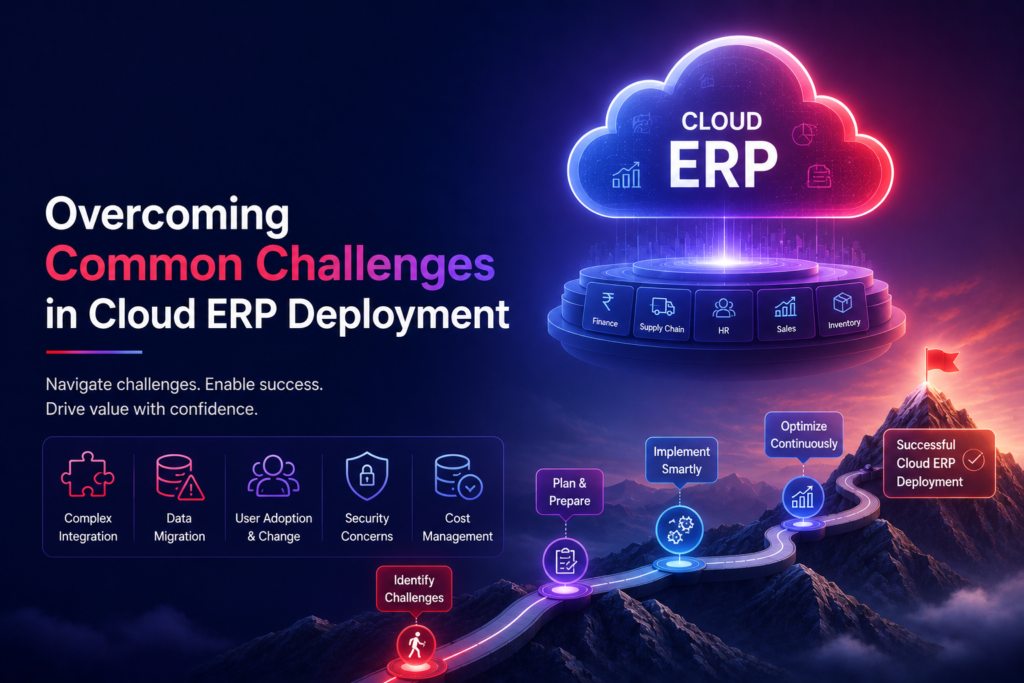
Getting a company to switch to digital can be tough. It often faces cloud ERP deployment challenges. These problems usually come from two main areas: technical issues and resistance from inside the company. Fixing these early helps keep the transition smooth and saves money.
Addressing Latency Issues in Regional Networks
In India, network quality can change a lot in different areas. This can cause delays in data updates, which is bad for seamless ERP work. To fix this, using local data centers and CDNs can help. This makes data closer to users.
Using edge computing can also help. It makes data processing faster by doing it closer to users. This is key for keeping systems running well during busy times.
Managing Change Resistance Within the Organization
Just fixing technical issues isn’t enough if people don’t want to change. Employees might worry that new systems will make their jobs harder. It’s important to explain how the new system will help in the long run.
Leaders need to lead by example. They should offer training and support. When people feel they’re learning, not losing their jobs, they’re more likely to use the new system. A proactive learning culture can turn doubts into support.
| Challenge Category | Primary Impact | Mitigation Strategy |
| Network Latency | Slow System Response | Edge Computing & CDNs |
| Cultural Resistance | Low User Adoption | Training & Communication |
| Data Integration | System Silos | Middleware Standardization |
Conclusion
Modern business success needs a strong service-oriented architecture. Aligning your cloud ERP with your goals is key. This makes your business grow and stay ahead in the market.
Digital transformation in India is more than new software. It’s about how teams handle data and infrastructure. Leaders who focus on modular design and security do better than others.
Start your journey to excellence with these steps. A scalable cloud environment helps your company meet new rules easily. This focus on innovation brings value to all stakeholders in India.
Work with your IT teams to check your services now. Plan the next steps in your digital transformation. Your path to a better, faster business is ready to start.