
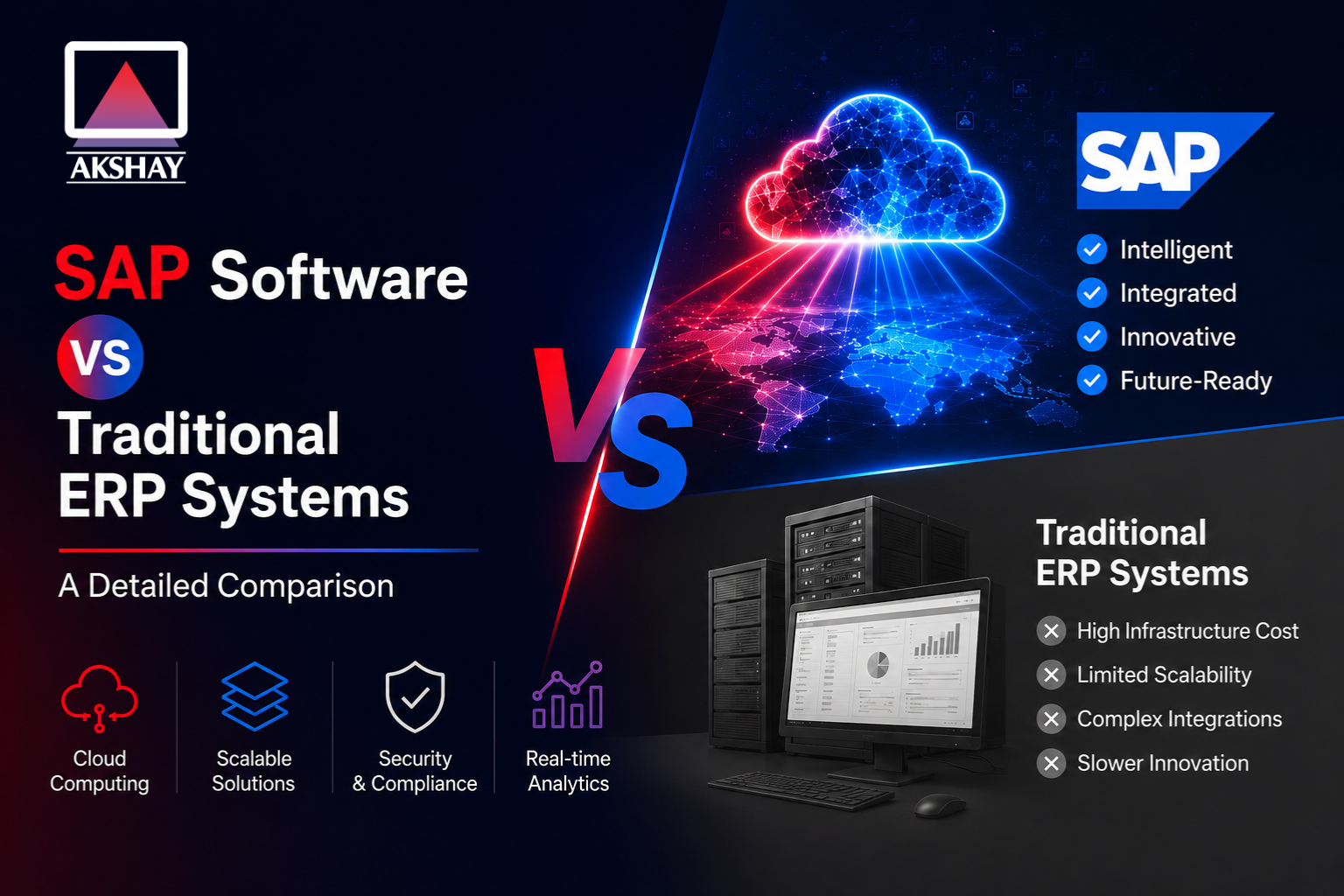
The Indian business world is changing fast. Companies must choose to update their systems to stay ahead globally.
Many businesses use old ERP systems that can’t meet today’s needs. These systems make it hard to make quick decisions because they keep data separate.
On the other hand, SAP Software offers a new way to manage businesses. It uses real-time data and cloud technology to make operations smoother.
Choosing the right system is key for success. Whether you’re small or big, knowing the difference between ERP systems and new SAP Software is vital for growth.
Key Takeaways
- The Indian market needs fast technology to stay ahead.
- Old systems can’t keep up with today’s business speed.
- New solutions give clear data to all departments in real-time.
- Picking the right platform is the base for long-term success.
- Cloud-based systems are important for growing businesses today.
The Evolution of Enterprise Resource Planning in India
In India, tracking business performance used to be hard. It needed lots of paper and manual work. This labor-intensive way was slow and often wrong.
But, it was good enough back then. Yet, as India’s economy grew fast, it couldn’t keep up.
From Manual Ledgers to Digital Transformation
As the market grew, companies needed to be faster. They moved to digital transformation. This meant leaving old ways for new database systems.
These new systems helped see what was happening in sales, inventory, and more. It was a big change.
It wasn’t just about being quick. It was about staying alive in a tough market. By automating tasks, teams could focus on growing the business. This made data very important for growth.
The Rise of Localized ERP Solutions
The use of enterprise resource planning software changed things for Indian firms. Early software didn’t fit India’s rules well. So, local solutions were made.
These new systems fit India’s tax rules perfectly. They helped companies grow without breaking rules. Now, these tools are key for staying ahead.
| Feature | Manual Ledgers | Modern ERP Systems |
| Data Accuracy | High risk of error | Automated precision |
| Accessibility | Physical location only | Cloud-based access |
| Compliance | Manual updates required | Real-time tax updates |
| Scalability | Very limited | Highly scalable |
Defining SAP Software and Its Core Architecture
SAP Software changes how companies manage their digital world. It combines different business tasks into one system. This makes operations smoother.
This setup is key for digital change in many fields in India. It gives scalability and reliability for growing businesses in a quick economy.
SAP S/4HANA: The Modern Standard
The S/4HANA platform is the top choice for managing business. It replaces old systems with a highly intelligent and simple data model.
Using this platform, companies can put all their financial, supply chain, and HR data together. This makes sure every team works from the same single source of truth. It cuts down on mistakes.
In-Memory Computing and Real-Time Data Processing
The real strength of this tech is its in-memory computing. It keeps data in RAM, unlike old systems that use slow disk storage.
This change makes data access and processing lightning-fast. Companies can now handle complex tasks in seconds, not hours. This gives them a big edge over competitors.
Also, real-time analytics let leaders make decisions based on current data. They can see market trends and how things are going instantly. This keeps their plans sharp and on track.
Characteristics of Traditional ERP Systems
Old enterprise resource planning systems can’t keep up with today’s fast pace. They were good in the past but now hold businesses back. Many struggle to grow because their software is too slow.
On-Premise Limitations and Maintenance Burdens
Traditional ERP systems need big investments in hardware. This includes servers, cooling systems, and space. It’s a big job for IT teams to keep everything updated.
When old hardware needs to be replaced, it’s expensive and disrupts work. This rigid infrastructure makes it hard for companies to adapt quickly. They focus more on keeping the system running than on innovation.
Data Silos and Integration Challenges
Old software often keeps data separate in different departments. This makes it hard for leaders to make smart decisions. They can’t see all the information they need in real time.
Connecting these old systems with new tech is hard and costly. Companies struggle to update their systems. Here’s a table showing the main differences between old and new systems.
| Feature | Traditional ERP | Modern Cloud ERP |
| Deployment | On-Premise Hardware | Cloud-Native/SaaS |
| Maintenance | Manual/High Effort | Automated/Low Effort |
| Data Access | Fragmented Silos | Unified Real-Time |
| Scalability | Limited/Rigid | Highly Elastic |
Scalability and Flexibility for Growing Indian Enterprises
In the fast-moving Indian market, being able to change quickly is key. Many Indian enterprises are changing fast to keep up with global rivals. They need to quickly adjust to new customer needs.
Adapting to Rapid Market Changes
Old software can hold companies back. It’s hard to change when the market does. True business scalability means growing with the company, not holding it back.
New software lets teams change workflows easily. This means launching new products or entering new markets quickly. Being quick to respond is what sets companies apart in a changing market.
Cloud-Native Capabilities vs Rigid Infrastructure
Switching to cloud-native architecture changes how companies handle data. Cloud systems are easy to update and don’t need constant upkeep. This saves money and lets companies innovate more.
Choosing cloud-first has big benefits for growing companies:
- Elastic Resource Allocation: Scale computing power as needed.
- Global Accessibility: Teams can work together from anywhere.
- Faster Deployment: Roll out updates and new features quickly.
- Lower Operational Friction: No need for manual server management.
Leaving old systems behind lets companies try new things. This strategic flexibility helps leaders focus on growth, not technical problems. The right software choice is key to success today.
Cost Analysis: Total Cost of Ownership
Looking at the cost of enterprise software is more than just the initial price. For many in India, the focus is on Total Cost of Ownership (TCO) for financial health. This view includes all expenses from start to finish of software use.
Initial Investment vs Long-Term Value
Switching to cloud-native solutions means moving from big upfront costs to ongoing expenses. The initial costs might seem high, but the long-term benefits are clear. These systems need less upkeep and allow for better business scalability.
Choosing modern platforms keeps your tech up-to-date with market needs. This reduces the need for costly upgrades. By focusing on TCO, companies can invest in new ideas, not just keeping systems running.
Hidden Costs in Legacy Maintenance
Old systems often hide big financial costs that aren’t seen on balance sheets. Keeping these systems up requires special skills and constant updates to avoid security issues. These hidden costs can eat into budgets, making it hard to grow digitally.
Also, older systems can’t grow easily, leading to wasted resources and high energy use. Moving to cloud-native solutions fixes these problems, making it easier to stay profitable.
| Cost Factor | Legacy ERP | Modern SAP S/4HANA |
| Infrastructure | High On-Premise Costs | Optimized Cloud Costs |
| Maintenance | Frequent Manual Updates | Automated Updates |
| Scalability | Rigid and Expensive | Flexible and Elastic |
Compliance and Regulatory Alignment in the Indian Context
India’s complex rules need strong digital tools. Businesses must focus on data accuracy and openness to stay ahead. Old manual ways can cause big mistakes and legal issues.
GST Integration and Tax Automation
Modern software makes handling Goods and Services Tax easy. It uses GST integration for automatic tax work. This cuts down on mistakes from typing errors.
Automation is key to avoiding legal trouble. Digital tax work gives clear views of financial duties. This ensures all deals follow government rules.
Meeting Local Statutory Reporting Requirements
Indian companies must follow strict reporting rules. Modern tools make this easier by creating automated reports for local needs. These systems are trusted by auditors and others.
Keeping a clear audit trail is vital for success in India. With integrated software, firms can track data and ensure filings are right. This approach helps avoid fines and builds trust with regulators.
User Experience and Accessibility
User experience is now key for software adoption in Indian businesses. When systems are easy to use, employees are more likely to use them. Prioritizing the end-user leads to better efficiency.
SAP Fiori: Redefining the Interface
SAP Fiori has changed how we interact with business processes. It offers a clean, role-based experience. This design loads fast, thanks to in-memory computing.
This design makes it easier for new employees to learn. Tasks are done faster, with fewer mistakes. Simplicity is the core philosophy behind this interface.
Mobile Accessibility for Distributed Teams
Indian businesses often work from different places. Mobile tools keep everyone connected. Real-time analytics on mobile devices help make quick decisions.
This mobility lets teams work together anywhere. Live data keeps everyone on the same page. Empowered teams make faster, more accurate decisions.
| Feature | Traditional ERP | SAP Fiori Interface |
| Design Philosophy | Function-heavy/Complex | User-centric/Simple |
| Device Support | Desktop Only | Multi-device/Responsive |
| Data Access | Delayed/Batch | Instant/Real-time |
| Learning Curve | Steep/Long | Minimal/Intuitive |
Security Protocols and Data Sovereignty
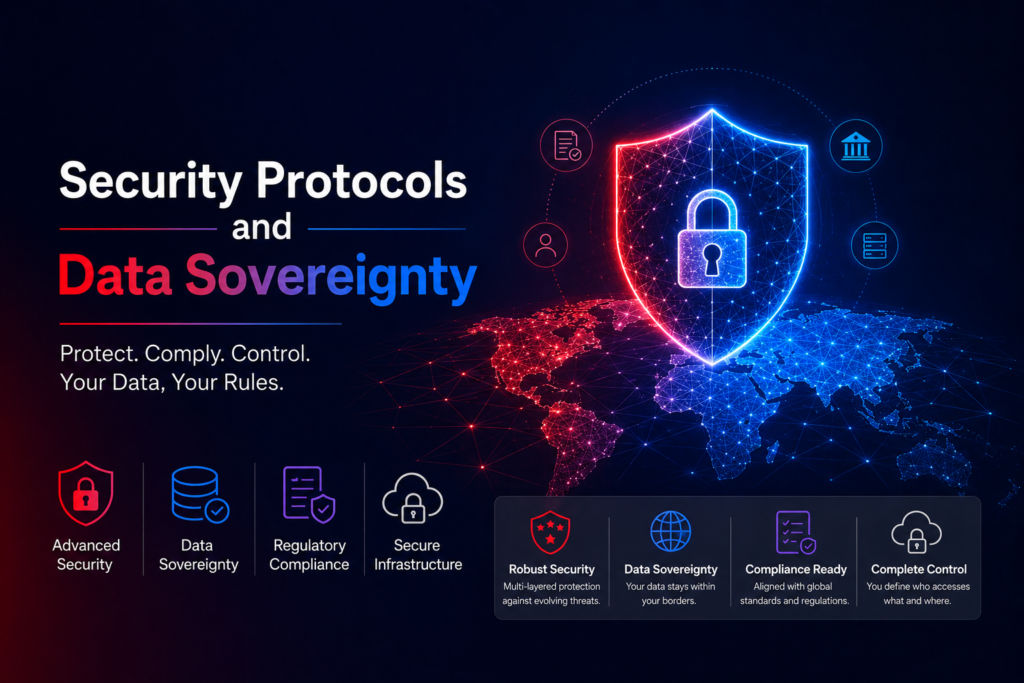
Digital transformation is speeding up. Keeping sensitive information safe is now more important than ever. Companies use complex systems that need strong defense to stay safe.
Protecting what’s important means being ready for new cyber threats all the time.
Advanced Threat Protection in SAP Environments
SAP systems have strong security to keep data safe. They use real-time monitoring and quick action to stop threats. This keeps data safe with advanced encryption and identity checks.
Important security features include:
- End-to-end encryption for data at rest and in transit.
- Multi-factor authentication to verify user identities across all access points.
- Automated patch management to address emerging threats instantly.
Data Residency Considerations for Indian Businesses
Rules for storing information have changed a lot. For Indian enterprises, following these rules is key to trust. Keeping data in the country is vital for stability.
Following data sovereignty rules means keeping data in the country. This helps meet local laws and reduces risks of sending data abroad. By choosing local hosting, Indian enterprises meet data sovereignty and security standards.
Strategic Decision Making: Choosing the Right Path
Choosing the right digital path is key for any growing Indian business. Moving to SAP Software is more than a tech upgrade. It’s a big change in how you handle info and daily tasks.
Leaders need to check if their current setup fits with their growth plans. A good plan helps avoid risks and makes sure you get the most from your investment.
Assessing Organizational Readiness
Before going to S/4HANA, companies must check their internal processes. This check shows if your team can handle a modern digital setup.
Cultural alignment is as important as technical skills. You need to get your team ready for new ways of working. Change resistance is often the biggest challenge.
Key readiness factors include:
- Evaluating current data quality and cleaning out old records.
- Finding key people who will support the new ERP systems.
- Setting clear goals to measure the success of the transition.
Migration Strategies from Legacy Systems
A successful legacy migration needs a careful plan that keeps business running. Many Indian companies do a phased rollout. This reduces disruption and lets teams adjust slowly.
Breaking the project into smaller parts helps keep important functions running. This way, you can make changes before fully switching to SAP Software.
Effective migration tactics involve:
- Starting with important modules to show quick benefits.
- Using automated tools to keep data safe during the move from old ERP systems.
- Doing thorough tests to avoid problems when switching to S/4HANA.
A good legacy migration is about managing the transition well. Focus on both tech and people to smoothly move into the future of enterprise tech.
Conclusion
Updating your business is key to growing and staying flexible. Moving to SAP solutions helps cut costs and stay ahead. This is important in today’s fast market.
Success comes from a good plan for moving to new systems. This plan should keep your business running smoothly. It lets your team focus on new ideas, not old problems.
Following rules is essential for a business in India. Making sure your GST reports are right and up-to-date is important. This keeps your business in line with local laws.
Getting your team to use new tools is where the real benefits lie. SAP Fiori makes it easy for everyone to work well, no matter where they are. This makes your whole team more productive.
Keeping your data safe is a big responsibility. Choosing the right way to store your data protects it. It also makes sure you follow all the laws in your area.
Check how your systems are doing now. Then, talk to our experts about how to improve your business. They can help you use these tools to change your business for the better.