
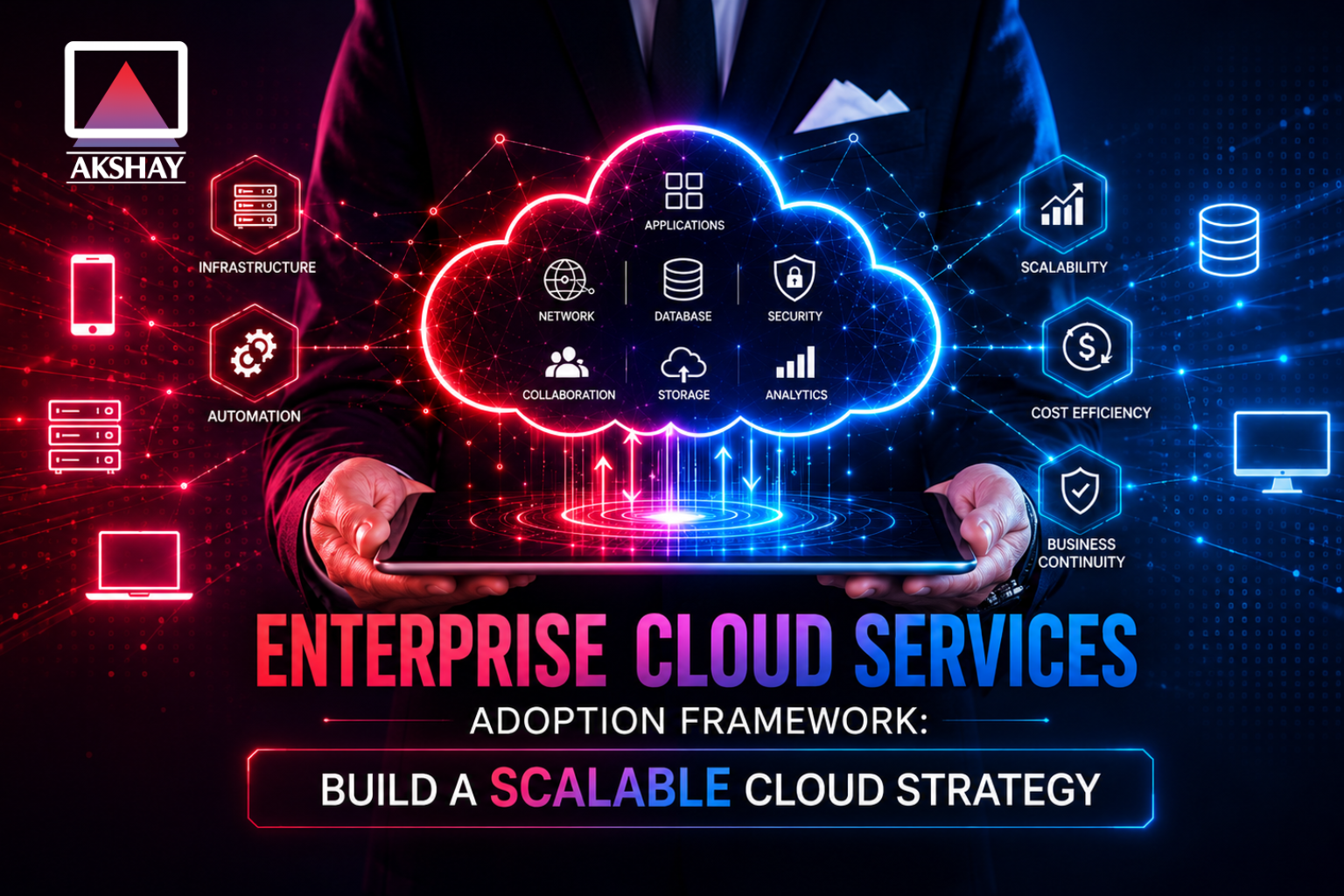
Businesses in India are moving fast to stay ahead. They need more than just moving data. They need a structured approach for long-term success. A formal Enterprise Cloud Adoption plan helps modernize operations and lower risks.
A clear roadmap is key for digital growth. Leaders can tackle technical challenges with confidence. This ensures every step supports the business and boosts efficiency.
Creating a Scalable Cloud Strategy is key for staying agile. This guide helps build a strong, growing environment. Focus on these principles to make your IT a powerful engine for innovation.
Key Takeaways
- Structured frameworks are vital for successful digital transformation in India.
- Clear objectives help align technical shifts with long-term business goals.
- Scalability ensures your infrastructure can handle future growth demands.
- A strategic roadmap reduces operational risks during the transition process.
- Modernizing IT systems creates a foundation for sustained innovation and efficiency.
The Strategic Imperative for Enterprise Cloud Adoption
The move to the cloud is now a must for businesses to stay alive in India. Enterprise Cloud Adoption drives growth and lets companies be quick and agile. Moving from old systems to the cloud opens up new possibilities.
Aligning Cloud Strategy with Business Objectives
Starting a cloud journey with Akshay Software Technologies Private Limited means linking tech goals to business needs. Leaders should make sure every cloud move helps meet financial and operational goals. When tech helps the business, it’s easy to see the benefits.
- Scalability: Adjusting resources to meet changing market needs.
- Cost Efficiency: Moving from big upfront costs to ongoing expenses.
- Innovation: Getting new digital products and services to market faster.
Assessing Digital Maturity in the Indian Market
Knowing where you stand in Digital Maturity India is key before big changes. Many struggle because they try to build new cloud systems on old processes. A detailed check finds the gaps that block tech integration.
Checking what you can do helps decide if you’re ready for a big cloud move or if you should take it slow. This check is like a plan, making sure you don’t try too much too soon with Enterprise Cloud Adoption.
Overcoming Common Barriers to Cloud Transformation
Even with a clear plan, big Cloud Transformation Barriers can slow things down. The main problems are old systems and fear of change. To get past these, you need a plan that focuses on talking and training.
To beat these challenges, leaders should work on:
- Legacy Modernization: Slowly breaking up big apps to fit with cloud systems.
- Cultural Shift: Helping staff see the value in learning new things.
- Strategic Planning: Overcoming Cloud Transformation Barriers by setting achievable goals and celebrating wins.
In the end, Enterprise Cloud Adoption is a careful and slow process. By understanding Digital Maturity India and facing fears, companies can build a strong base for the future.
Establishing a Robust Cloud Governance Model
Companies in India are using structured frameworks to keep track of their cloud assets. A Cloud Governance Model is key for managing cloud environments. It helps keep business goals in focus. This way, companies avoid silos and follow policies everywhere.
Defining Roles and Responsibilities in Cloud Operations
Clear roles are vital for a smooth digital shift. Teams work better when they know their tasks. Creating a Center of Excellence (CoE) links IT and business units. This keeps everyone on the same page.
- Assigning dedicated cloud architects to oversee infrastructure design.
- Empowering DevOps teams to manage deployment pipelines independently.
- Ensuring executive leadership maintains oversight of strategic resource allocation.
Implementing Policy-Driven Compliance and Security
Protecting data needs automated, policy-driven methods. Using Cloud Security Best Practices keeps digital assets safe. Automated rules make sure all resources follow strict rules.
Security in the development cycle catches problems early. This keeps trust with customers and investors. Regular checks keep compliance ongoing, not just a one-time thing.
Managing Cloud Costs and Financial Accountability
Good Cloud Cost Management keeps budgets clear and boosts ROI. Many struggle with unpredictable costs as they grow. A solid financial plan helps track and cut waste.
Using tags gives deep insight into who uses what. This helps plan better and make smart choices. Financial accountability keeps cloud spending useful, not wasteful.
Designing a Scalable Cloud Architecture
A successful digital transformation starts with a good cloud setup. Companies should focus on modular design. This way, they can build an Enterprise Cloud Architecture that grows with their needs. It keeps their tech flexible for changing market conditions in India.
Selecting Between Public, Private, and Hybrid Models
Choosing the right cloud model is key. It’s about balancing cost, control, and performance. Public clouds are great for startups because they scale fast. But, private clouds are better for secure data.
Many choose hybrid clouds. They use public clouds for extra traffic and keep sensitive data on-premises. A good Scalable Cloud Strategy picks the best model for each workload.
Leveraging Multi-Cloud Strategies for Resilience
More companies are using multi-cloud setups. This avoids being stuck with one provider and makes systems more stable. It spreads workloads across providers for better Multi-Cloud Resilience.
Managing this setup well is key. Effective governance helps keep track of all platforms. Done right, it lets you use the best services from different clouds.
Ensuring High Availability and Disaster Recovery
Keeping business running smoothly is vital. A good Scalable Cloud Strategy has failover plans for outages. This keeps customers trusting your digital services.
For lasting success, focus on these key areas of a Enterprise Cloud Architecture:
- Geographic Redundancy: Use resources in many zones to avoid local problems.
- Automated Backups: Use immutable storage to protect against ransomware and mistakes.
- Continuous Testing: Test disaster scenarios often to check your recovery plans.
By focusing on these, your company gets better Cloud Scalability and Multi-Cloud Resilience. Investing in these now will protect your business from future challenges.
Data Migration Strategies and Modernization
Companies in India face a big challenge. They need to be quick and follow the rules when moving data. Choosing the right way to move data can make things better and cheaper.
Evaluating Workload Suitability for Cloud Migration
Teams must check their apps before moving data. Not all apps are ready for the cloud. It’s important to pick the right apps to move first.
Good Cloud Migration Strategies sort apps into two groups. Some are ready for the cloud, and others need big changes. This helps avoid problems and keeps important systems running smoothly.
Executing the Six Rs of Migration: Rehost, Replatform, and Refactor
The Six Rs guide helps move apps. Rehosting is quick with little change. Replatforming makes small tweaks for better cloud use.
Refactoring is the biggest change. It makes apps work best in the cloud. The choice depends on your goals and budget.
| Strategy | Effort Level | Cloud Benefit |
| Rehost | Low | Fast migration |
| Replatform | Medium | Balanced optimization |
| Refactor | High | Maximum agility |
Managing Data Sovereignty and Local Compliance Requirements
Indian businesses must follow local data laws. Data Sovereignty India says some data must stay in the country. Following these rules is key to keeping customers happy.
It’s smart to work with cloud providers that have servers in India. This way, your data meets local rules and stays safe. Make sure your provider uses the latest security methods.
Building a Cloud-Native Culture and Skillset
Digital transformation is more than new software. It’s about changing how your team works. To stay ahead in India’s fast-changing digital world, you need a Cloud-Native Culture. This shift makes sure your tech investments pay off.
Upskilling Internal Teams for Cloud Proficiency
The cloud needs a team that knows modern systems. Start continuous learning programs to update skills. Certifications and workshops help employees manage complex systems with confidence.
Teams that know the cloud work better. Upskilling is ongoing, not just once. It cuts down on outside help and builds your team’s knowledge.
Adopting DevOps and Agile Methodologies
It’s key to break down walls between developers and ops teams. DevOps Methodologies make tasks automatic and speed up releases. Everyone works together for the same goals.
Agile methods make teams work better together. They focus on quick, small steps and feedback. Speed and reliability are now key to success.
Fostering Innovation Through Cloud-Native Development
A Cloud-Native Culture lets developers try new things without worry. Microservices and containers help build apps that grow and stay strong. This setup encourages quick learning from mistakes.
Free to innovate, developers make apps that meet today’s needs. DevOps Methodologies keep this innovation safe and right. The table below shows how teams change with these new ways.
| Feature | Traditional IT | Cloud-Native Team |
| Workflow | Siloed/Linear | Collaborative/Agile |
| Deployment | Manual/Infrequent | Automated/Continuous |
| Focus | Infrastructure Maintenance | Application Innovation |
| Failure Handling | Risk Aversion | Resilience/Learning |
Security and Identity Management in the Cloud

As Indian businesses grow online, their security needs to keep up. The old way of protecting networks doesn’t work anymore. Now, companies must be ready for threats from inside and outside.
Implementing Zero Trust Architecture
Zero Trust Architecture means never trusting anyone or anything. It checks every person and device trying to get into a network. This way, companies can stop attackers from moving around easily.
This approach divides the network into smaller parts. Even if one part gets hacked, the others stay safe. Following these Cloud Security Best Practices helps fight off new cyber threats.
Managing Identity and Access Management (IAM) at Scale
Handling IAM at Scale is a big challenge for big companies. As more people, devices, and apps join, managing access by hand is too easy to mess up. Using a central identity provider helps keep policies the same everywhere in the cloud.
Role-Based Access Control (RBAC) is key for managing identities. It gives access based on job, not person. This way, people only see what they need to do their job. It’s important for following rules and keeping things running smoothly.
Protecting Sensitive Data with Encryption and Threat Detection
Keeping data safe needs a plan that includes strong encryption and watching for threats. Encrypting data makes it unreadable to hackers, even if they get in. This is very important for companies in India.
Tools that find threats early help keep data safe. They use smart tech to spot problems fast. Here’s a table showing old vs. new security ways.
| Feature | Traditional Security | Modern Cloud Security |
| Perimeter Focus | Network-centric | Identity-centric |
| Trust Model | Implicit trust inside | Zero Trust Architecture |
| Access Control | Static permissions | Dynamic, context-aware |
| Data Protection | Basic firewalls | Encryption and AI detection |
Optimizing Cloud Performance and Operations
To get the most out of the cloud, we need to manage it better. Companies should focus on Cloud Performance Optimization as a key part of their work. This keeps digital tools working well for the fast-changing Indian market.
Monitoring and Observability for Cloud Infrastructure
Seeing how well the cloud works is more than just checking if it’s up. We need deep observability to find problems before they cause trouble. Advanced tools give us the info we need to improve how apps work and use resources.
Today’s tools let us track many things in our cloud setups very well. This detailed info helps us find and fix slow spots and make sure resources are used right. Proactive monitoring is key to a cloud that works well and stays stable.
Automating Infrastructure with Infrastructure as Code (IaC)
Setting up things manually can lead to mistakes and changes that aren’t planned. Using Infrastructure as Code lets us define our cloud setup in files that computers can read. This keeps things the same in all stages of work.
Automation with IaC makes it easy to grow and deploy things reliably. Treating our cloud like software lets us control changes and fix problems fast. This is key for a cloud that’s safe and can grow.
Continuous Improvement Through Feedback Loops
Getting better at running the cloud is an ongoing effort. Setting up continuous feedback loops helps us learn from every change and check. This learning cycle makes our cloud setup better over time.
By always learning and improving, companies can meet new challenges quickly. This cycle of checking and adjusting is important for lasting success. Here’s a table showing important ways to make your cloud work better.
| Strategy | Primary Benefit | Implementation Focus | Outcome |
| Observability | System Insight | Real-time Telemetry | Reduced Downtime |
| IaC | Consistency | Automated Provisioning | Lower Human Error |
| Feedback Loops | Agility | Iterative Refinement | Optimized Performance |
| Cloud Governance | Compliance | Policy Enforcement | Financial Control |
Navigating Regulatory Landscapes in India
Building a strong cloud strategy in India means keeping up with changing data protection rules. Companies must find a balance between innovation and following local laws. This balance is key to keeping trust and keeping operations running smoothly.
Adhering to MeitY Guidelines and Data Protection Laws
The Ministry of Electronics and Information Technology (MeitY) sets a clear path for cloud use in the public sector and more. Following MeitY Cloud Guidelines is critical for companies that handle sensitive data or work in regulated fields. These rules help ensure data is safe and meets national standards.
Businesses also need to follow the Digital Personal Data Protection Act. Compliance is not a one-time task but an ongoing process. By making legal rules part of the planning stage, companies can avoid expensive changes and legal trouble later.
Managing Vendor Relationships and Service Level Agreements
Choosing the right cloud provider is more than just looking at technical specs. Strong Cloud Service Level Agreements are key to a good vendor relationship. They set clear expectations for uptime, support, and how to handle problems. These agreements must fit your business needs and hold everyone accountable.
To manage these agreements well, you need regular checks and open talks. Look for providers that offer:
- Guaranteed uptime and clear rules for when they fail.
- Special support for important business tasks.
- Clear reports on security issues and when they do maintenance.
Ensuring Long-Term Sustainability and Scalability
True Cloud Scalability lets a company grow without being held back by old systems or laws. By planning for growth, businesses can meet changing needs while staying legal. This flexibility is key to staying ahead in India’s fast digital market.
Being sustainable also means using resources wisely to save money and the planet. Long-term success comes from picking technologies that grow with your business without sacrificing security or speed. When you plan for growth and follow the rules, your company can move quickly in a complex world.
Conclusion
For digital transformation to succeed, a clear vision is key. It must link tech infrastructure with business goals. Companies that take a whole view of cloud adoption can lead in the market.
Scalability is vital for today’s business success. Adding strong security and a cloud-native culture makes companies agile. These steps are key to creating lasting value.
Getting to a strong cloud setup needs effort from leaders and tech teams. Making your processes match global standards keeps your setup safe from threats. This plan helps you deal with complex rules and stay efficient.
Your digital growth starts with smart choices. Check your systems and use automation to make work easier. Leaders who train their teams now will see innovation later.
Start by checking your systems against these important points. Share your cloud journey or talk to experts to improve your plan. Your dedication to this change will shape your company’s digital future.