
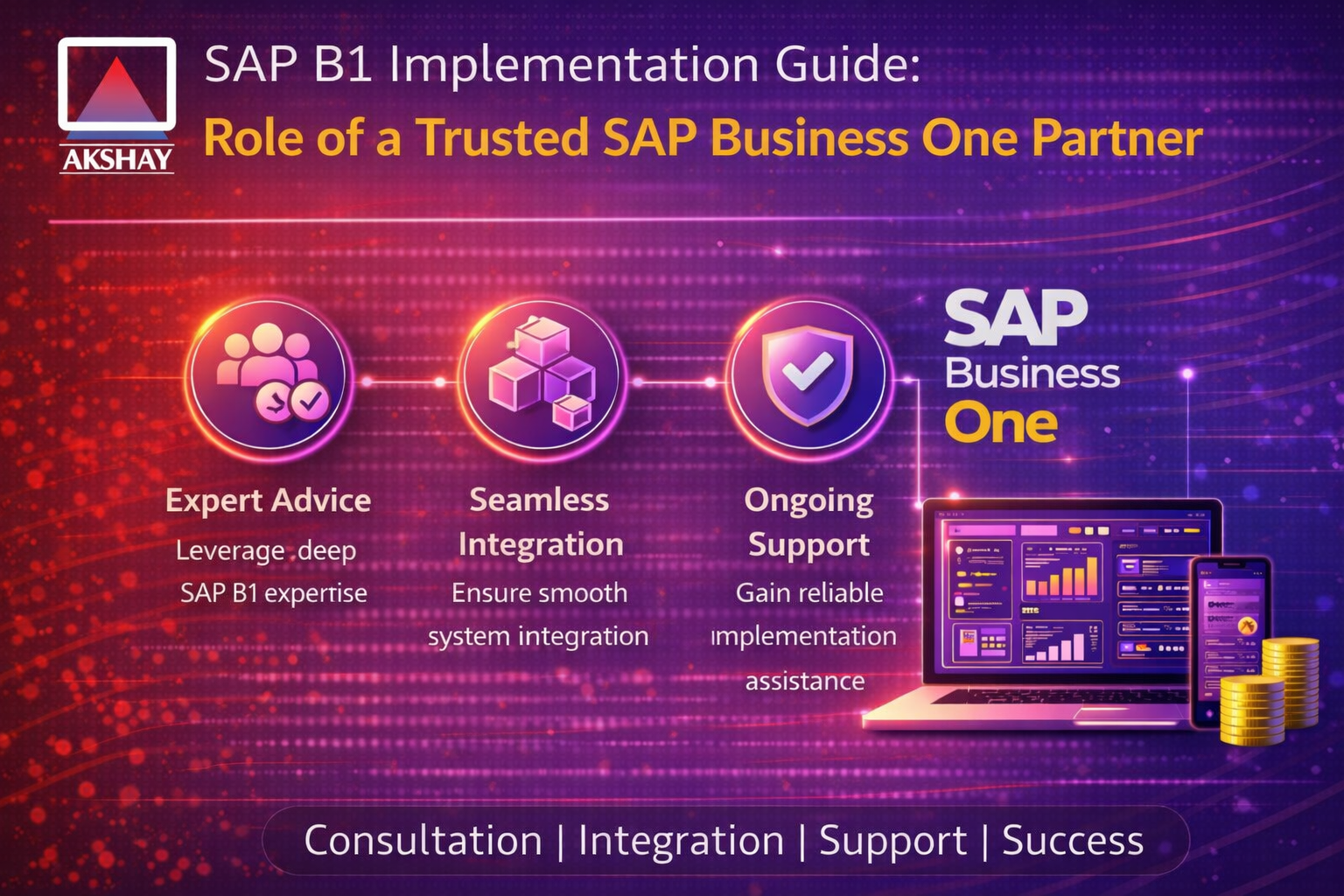
Expanding in the Indian market needs strong digital tools like SAP Business One partner and strategic foresight. Local businesses must use modern tools to keep up in a global world. A good SAP B1 setup is key for growing your business smoothly. It helps manage data well across all departments.
Choosing a skilled SAP Business One implementation partner does more than just help with setup. They make sure your goals match the software’s power. This way, you get the most out of it. They also help reduce downtime during the change.
This guide shows how a trusted Business One partner makes moving to a new ERP easier. They focus on customising and training users. This leads to a better return on investment. Let’s look at what makes a business successful in the long run.
Key Takeaways
- Recognising the importance of a strategic digital roadmap.
- Selecting a specialist to handle bespoke adjustments.
- Minimising operational disruptions during software setup.
- Organising training sessions for better staff adoption.
- Identifying key performance indicators for sustainable growth.
- Streamlining data accuracy across the entire firm.
Understanding SAP Business One and Its Implementation Landscape
Implementing SAP Business One is more than just installing software. It’s about changing how your business works to be better. Knowing what the software can do and the challenges it brings is key.
What is SAP Business One?
SAP Business One is an enterprise resource planning (ERP) solution for small and medium-sized enterprises (SMEs). It combines different business areas into one place. This helps businesses work better, be more efficient, and make smart choices.
The software has many features. These include managing money, sales, buying, stock, and reporting. With these tools, businesses can work more efficiently and quickly adapt to market changes.
The Complexity of SAP B1 Implementation
Setting up SAP Business One is a detailed process. It includes planning, setting up the system, moving data, and training users. The complexity comes from customising the system, moving data, and training users well.
| Complexity Factors | Description | Impact on Implementation |
| System Configuration | Tailoring the system to meet specific business needs. | High |
| Data Migration | Transferring data from legacy systems to SAP B1. | Medium to High |
| User Training | Ensuring users are proficient in using the new system. | High |
Why Partner Involvement is Essential
Working with a trusted SAP Business One partner is vital due to the complexity of the implementation. These partners have technical expertise, industry knowledge, and implementation experience. They help make the project run smoothly and fast.
Partnering reduces risks, lowers costs, and helps achieve goals faster.
The Critical Role of a Trusted SAP Business One Partner
A trusted SAP Business One partner is key for a smooth setup. They bring lots of experience and know-how. This helps businesses deal with SAP B1’s complex setup.
Such a partner offers many benefits. They have technical expertise and certified resources. Their team is made up of certified pros who know SAP Business One well.
Technical Expertise and Certified Resources
The partner’s tech team knows the latest SAP Business One tech and best ways to use it. They can set up, tweak, and link SAP B1 with other apps. This makes the switch easy.
Industry-Specific Knowledge and Experience
A partner with industry knowledge gets your business’s unique needs. They make SAP Business One fit your industry perfectly. This means the system works best for you.
Proven Implementation Methodology
A trusted partner uses a tried and tested method for setting up SAP Business One. This method is based on many successful projects. It makes sure the setup is done well and doesn’t mess up your work.
Risk Mitigation and Quality Assurance
Working with a trusted SAP Business One expert reduces risks. They make sure the system is checked well before it’s used. This means it meets your needs and works right.
In short, a trusted SAP Business One partner is vital for a good setup. They bring technical know-how, industry insight, a proven method, and ways to avoid risks. This makes sure your SAP B1 project is done on time, within budget, and meets your expectations.
How to Identify and Select the Right SAP Business One Partner
Finding the right SAP Business One partner needs careful thought. It’s key to make sure your SAP B1 works well and fits your business.

Verify SAP Certification and Partnership Status
First, check if the partner is SAP certified and a partner. SAP certification shows they know how to use SAP Business One well. Look on the SAP PartnerEdge website to see their status and level.
Evaluate Industry Experience and Track Record
Then, look at the partner’s experience and success in your industry. A partner who knows your industry can better meet your needs. Check their work and success stories to see if they’re a good fit for you.
Assess Technical Capabilities and Resource Availability
It’s also important to check the partner’s technical skills and resources. Make sure they have the right team to help with your project. Ask about their team and the skills of their consultants.
Review Client References and Case Studies
Looking at what other clients say can give you a good idea of the partner’s quality. Ask for references and talk to them. This will help you see the partner’s good and bad points.
Compare Service Offerings and Support Models
Lastly, compare what different partners offer and how they support you. Think about the services they provide and how they help after the project. Make sure their support fits your needs.
| Evaluation Criteria | Partner A | Partner B |
| SAP Certification | Yes, Gold Partner | Yes, Silver Partner |
| Industry Experience | 5+ years in Manufacturing | 3+ years in Retail |
| Technical Capabilities | Experienced in S/4HANA | Limited S/4HANA experience |
| Client References | Available upon request | Positive feedback from clients |
| Support Models | 24/7 Support | Business Hours Support |
By following these steps and carefully looking at SAP Business One partners, you can choose the best one for your business.
Preparing for SAP B1 Implementation with Your Partner
To make SAP B1 implementation smooth, start with solid preparation. This phase is key for a successful project that fits your business needs.
Conducting Initial Business Requirements Analysis
The first step is to look at your current business processes. Find areas that need bettering and see how SAP B1 can help. Your partner will help your team gather these needs and understand how things work.
Defining Project Scope and Objectives
It’s important to clearly define what the project aims to achieve. This means setting goals, timelines, and what needs to be done. Your partner will help make a plan that matches your business goals.
Establishing Project Governance and Communication Channels
Good project management and communication are vital. This means setting up who does what and how everyone will talk. Your partner will help make sure everything runs smoothly.
Resource Allocation and Team Formation
Lastly, make sure you have the right people and resources. This means picking the right team members from your side and your partner’s. Having the right team ensures the project can be done well.
The SAP B1 Implementation Process: Partner-Led Phases
The SAP B1 implementation process has key phases. A trusted partner guides you through these. They help make the switch to SAP Business One smooth.
Project Preparation and Planning
The first step is getting ready and planning. This is vital for a good start.
Creating the Solution Blueprint
Creating a solution blueprint is important. It shows how SAP Business One will fit your needs.
Conducting Gap Analysis
A gap analysis finds any missing parts. It shows if custom work is needed.
System Configuration and Customisation
After planning, it’s time to set up SAP B1. It’s made to fit your needs.
Configuring System Parameters
System parameters are set up. They match your business processes.
Developing Custom Solutions
Custom solutions are made for any gaps. This makes sure the system works for you.
Testing and Validation
Testing is key. It checks if the system works right.
User Acceptance Testing
User Acceptance Testing (UAT) checks if the system is ready. It makes sure it meets your needs.
Performance Testing
Performance testing checks how well the system works. It makes sure it can handle loads.
Go-Live and Deployment
The last step is making the system live. It’s ready for everyone to use.
Cutover Planning and Execution
A cutover plan is made for a smooth switch. It keeps your business running without a hitch.
By following these steps, businesses can smoothly switch to SAP B1. It improves how they work.
Data Migration: How Your Partner Ensures Accuracy and Completeness
Data migration is key in SAP B1 setup. It needs careful planning and doing to get it right. A good SAP Business One partner helps a lot. They use their knowledge to reduce risks and make the move smooth.
Data Assessment and Cleansing Strategy
The first thing is to check the data carefully. This is called data assessment. It helps find out what data to move, its quality, and any problems.
- They look at the current data structure and find any issues or extra data.
- They plan how to clean the data to fix any problems.
- They make rules for moving data to keep it accurate.
Migration Tools and Techniques
A good partner uses special migration tools and ways to move the data. These include:
- Software that helps move data automatically.
- Tools for custom data mapping and changing.
- Checks to make sure the data is correct.
Validation and Reconciliation Processes
To make sure the data is right and complete, a strong validation and reconciliation process is needed. This means:
- Checking the moved data against the original data.
- Looking for and fixing any data differences.
- Testing everything to make sure the data and system work well.
Training and Change Management Support from Your Partner
To get the most from SAP Business One, training and change management are key. A good partner can help a lot here. They make sure users know how to use the system well. They also help with changing to the new system smoothly.
Developing Customised Training Programmes
A good SAP Business One partner makes training that fits your company. They learn about your special ways and make training that meets your needs.
Super-User Training Approach
They pick important people for deep training. These super-users help others and make sure everyone uses the system right.
Change Management Strategies for User Adoption
Getting SAP Business One to work well needs good change management. Your partner will have plans for this. They’ll help with telling everyone about the change, training times, and help for any worries.
Documentation and Knowledge Transfer
Having good documents and knowing how to use the system is key for success. Your partner should give you clear guides. They make sure your team can use the system on their own.
| Training and Change Management Activities | Description | Benefits |
| Customised Training Programmes | Tailored training content based on organisational needs | Enhanced user proficiency and efficiency |
| Super-User Training | In-depth training for selected personnel | Internal champions for ongoing support |
| Change Management Strategies | Plans and mechanisms for managing change | Smooth transition and higher user adoption rates |
| Documentation and Knowledge Transfer | Comprehensive user manuals and training | Long-term system management capability |
Post-Implementation Support and Continuous Improvement
The post-implementation phase shows the real value of SAP Business One. It’s where continuous improvement and support shine. A trusted SAP Business One partner makes sure your system keeps delivering value.
Effective post-implementation support includes several key activities. These help keep and improve your SAP B1 system.
Hypercare Support Period
The hypercare support period is vital right after you start using the system. Your partner gives you lots of help during this time. They fix any problems and make sure you get used to the new system smoothly.
Ongoing Maintenance and System Updates
Keeping your SAP B1 system up-to-date is key. Your partner will make sure you have the latest SAP updates. This keeps your system safe and adds new features.
Performance Optimisation and System Enhancement
As your business grows, your SAP B1 system might need tweaks. Your partner can make your system work better for your business. They might change settings, add new features, or do custom work.
Annual Health Checks and System Reviews
It’s good to have annual health checks and system reviews. They make sure your SAP B1 system fits your business goals. These reviews find ways to improve and fix issues early.
- Identifying problems before they affect your business
- Keeping the system running well
- Matching the system with your changing business needs
Considerations for SAP B1 Implementation in the Indian Market
SAP B1 in India needs a deep understanding of the local business scene and rules. The Indian market has its own challenges and needs. Businesses must tackle these to make SAP B1 work well.
GST Compliance and Localisation Requirements
Complying with Goods and Services Tax (GST) rules is key. SAP B1 must handle GST, including tax rates and reports. A good SAP Business One partner will keep the system up to date with GST and local rules.
Indian Regulatory and Statutory Reporting
Indian firms must follow many reporting rules. SAP B1 can be set up to meet these needs. It can also adapt to new rules easily.
Local Partner Presence and Support Availability
A local SAP Business One partner is vital for quick help and local knowledge. They ensure your business keeps running smoothly.
Industry-Specific Requirements in India
India’s industries have their own needs. For example, manufacturing needs special inventory tools, while services might want project management modules. A skilled SAP B1 partner will know these and set up SAP B1 right.
By thinking about these points, businesses can make SAP B1 work well in India. It helps them grow and work more efficiently.
SAP B1 Implementation: The Value of a Trusted Partnership
A successful SAP Business One implementation needs careful planning and precise execution. A trusted SAP Business One partner is key in this process. They bring technical skills, industry knowledge, and proven methods.
Choosing a trusted partner helps businesses avoid risks and ensure data accuracy. They also help with user adoption. The partner’s role goes beyond the initial setup. They offer ongoing support, including maintenance, updates, and performance optimisation.
In India, where following local rules is important, a trusted partner is even more valuable. They understand local needs, like GST compliance and statutory reporting. This ensures the SAP B1 system meets specific business needs.
In conclusion, a trusted SAP Business One partner is vital for a successful implementation. They provide the expertise and support needed for business growth and efficiency. By picking the right partner, businesses can get the most from their investment and reach their goals.