
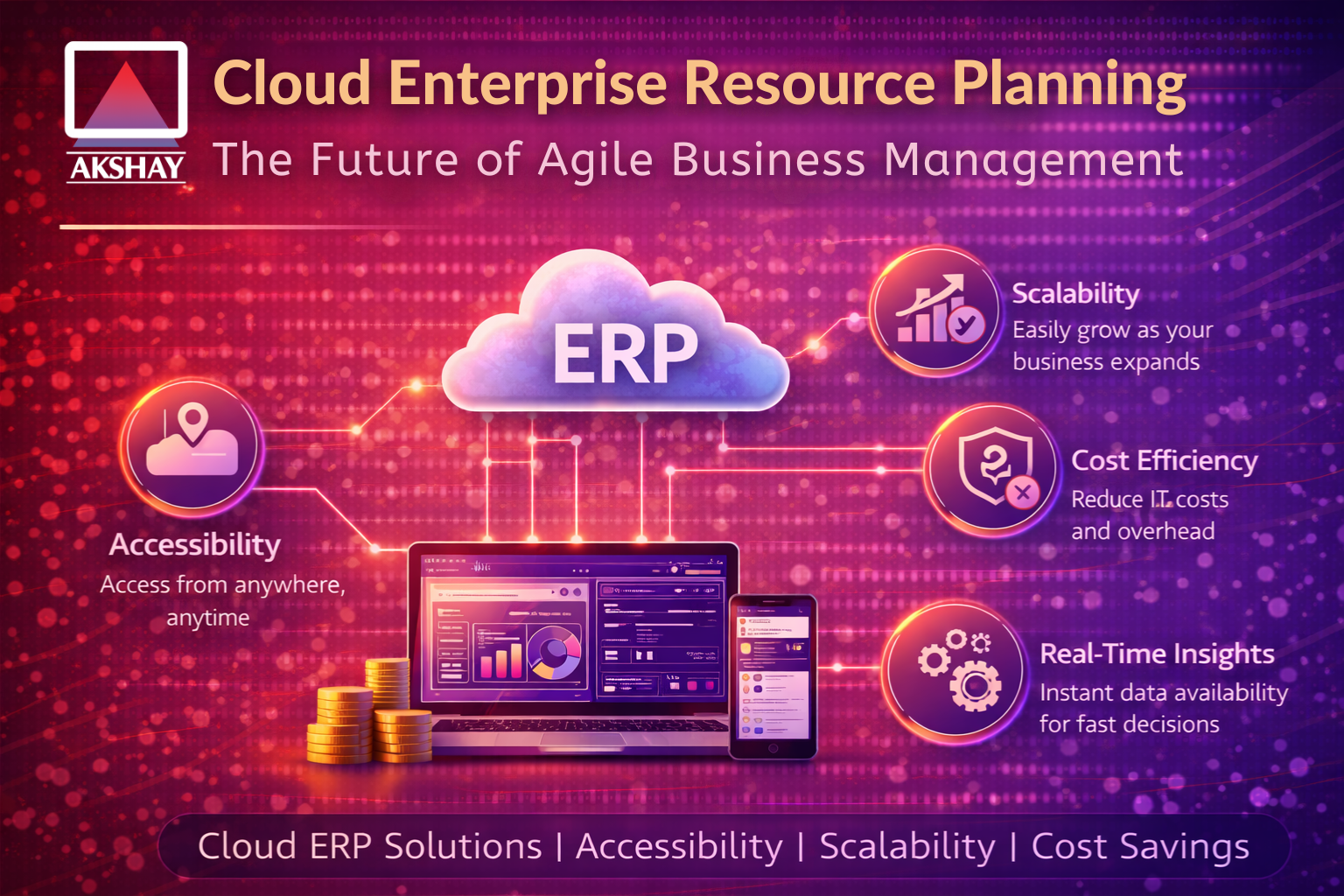
By using Cloud Enterprise Resource Planning, modern indian firms are quickly changing to keep up with global trends. Companies in places like Mumbai are focusing more on digital growth. This is key to staying competitive in a fast-paced economy.
These brands are moving to systems that offer seamless data flow. These online tools let staff access information from anywhere. This helps teams work better together, moving away from old hardware.
Using cloud ERP helps firms quickly adapt to new trends. It centralises all data, allowing managers to make informed decisions fast. This is at the core of agile business management today.
These systems keep work flowing even when a business grows fast. They help optimise tasks and cut down costs. Embracing this digital shift is key to lasting success.
Key Takeaways
- Digital systems improve operational speed and output for growing firms.
- Flexible tools help teams collaborate across different Indian states easily.
- Centralising information supports faster and more accurate decision-making processes.
- Modern software reduces the high costs of maintaining physical server rooms.
- Scalable platforms allow an organisation to grow without technical friction.
- Agile methods ensure businesses remain responsive to sudden changes in the market.
Understanding Cloud ERP and Its Transformative Impact on Indian Businesses
Indian businesses are getting better at being quick and competitive. Cloud ERP is a key reason for this. It’s changing how businesses work, thanks to new tech and the need for better operations.
What Is Cloud ERP?
Cloud ERP is software that helps manage a business’s operations and data online. It’s different from old systems because it’s cheaper to start with. You pay as you go, which is good for your wallet.
It lets businesses work from anywhere. This makes teamwork easier, no matter where people are.
The Shift from Traditional to Cloud-Based Systems
Businesses are moving to cloud ERP because it’s more flexible and cost-effective. Old ERP systems are hard to change and expensive to keep running. Cloud ERP is easy to adjust and doesn’t cost a lot to start.
Also, cloud ERP updates itself automatically. This means you always have the latest version without having to do anything.
Why Indian Enterprises Are Embracing Cloud Solutions
Indian businesses love cloud ERP because it makes things run smoother. It helps with data and making smart choices. It also brings all business parts together in one place.
Cloud ERP is great for businesses that need to grow or change fast. It’s perfect for dealing with quick changes in the market and customer needs.
Key Benefits of Cloud Enterprise Resource Planning Systems
Cloud ERP solutions bring many benefits. They make businesses more efficient and productive. They help organisations streamline, make better decisions, and grow.
Cost Efficiency and Reduced Infrastructure Investment
Cloud ERP is great for saving money. It lets businesses cut down on big costs. They don’t have to buy and keep expensive hardware and software.
- Lower upfront costs
- Reduced maintenance and support expenses
- Predictable subscription-based pricing
Scalability and Flexibility for Growing Businesses
Cloud ERP is very scalable and flexible. It helps businesses grow easily. They can quickly change size as needed.
It also lets businesses work from anywhere. They can use different devices at any time.
Real-Time Data Access and Enhanced Collaboration
Cloud ERP gives real-time data access. This helps businesses make quick decisions. It also makes working together better.
- Improved data visibility across the organisation
- Enhanced collaboration and communication
- Faster decision-making processes
Automatic Updates and Improved Security
Cloud ERP gets automatic updates. This means businesses always have the latest features and security. It makes things easier and safer.
Cloud ERP also has strong security. This keeps business data safe.
Assessing Your Business Requirements Before Migration
It’s key to know your business requirements for a smooth move to cloud ERP. You need to look at your current operations, find what needs bettering, and see how cloud ERP can help.
Evaluating Current Business Processes and Pain Points
Start by checking your current business processes. Spot the inefficiencies and where your system falls short. Knowing your pain points helps see how cloud ERP can fix these and boost your business.
Getting input from all departments is also important. This way, the cloud ERP fits the needs of everyone in your business.
Identifying Essential Features and Modules
After knowing your business’s weak spots, figure out what features and modules you need in a cloud ERP. Think about what’s important for your business, like managing money or people.
Focus on the must-haves for your business. This makes sure the cloud ERP you pick will help your business grow.
Determining Budget and Resource Allocation
Looking at your budget and resource allocation is vital for a cloud ERP move. Consider the upfront cost and ongoing expenses like subscription fees and training.
Make sure you have enough time and people for a smooth transition and setup.
Analysing Integration Needs with Existing Systems
Lastly, think about how the cloud ERP will work with your current systems. Understand how it will connect with other apps and make sure data moves smoothly.
By carefully looking at your integration needs, you can avoid problems. This ensures your cloud ERP works well with your current setup.
How to Choose the Right Cloud ERP Solution for Your Organisation
Finding the right cloud ERP solution can change your business for the better. But, it’s important to think about a few key things. The cloud ERP market has many options. You need to look at different providers, how they deploy their services, and what features they offer.
Comparing Leading Cloud ERP Providers
There are many cloud ERP providers out there. Each one has its own strengths and what it can do. Here are some of the top ones:
- SAP S/4HANA Cloud: It’s great for complex business needs because it handles data well.
- Oracle NetSuite: It’s a full package for ERP, CRM, and e-commerce. It’s good for businesses that want everything in one place.
- Microsoft Dynamics 365: It has ERP and CRM features. It works well with Microsoft’s tools, making things easier for teams.
- Tally on Cloud: It’s popular in India. It’s easy to use and has strong accounting features.
SAP S/4HANA Cloud
SAP S/4HANA Cloud is for big and complex businesses. It processes data in real-time and has advanced analytics. It makes business processes simpler and gives a clear view of the company.
Oracle NetSuite
Oracle NetSuite is a cloud-based suite for managing businesses. It includes ERP, CRM, and e-commerce. It’s great for making operations smoother and improving customer relationships.
Microsoft Dynamics 365
Microsoft Dynamics 365 offers cloud-based ERP and CRM solutions. It works well with Microsoft Office 365 and other tools. This makes teamwork and productivity better across the company.
Tally on Cloud
Tally on Cloud is the cloud version of Tally accounting software. It’s well-known in India. It brings the familiar features of Tally to the cloud, making it scalable and accessible.
Evaluating Vendor Credentials and Support Services
Choosing a cloud ERP provider means looking at their experience and support. Important things to check include:
- Experience and Reputation: Choose vendors with a good track record and happy customers.
- Support and Maintenance: Make sure they offer full support, from setup to ongoing help.
- Security and Compliance: Check if they follow important security and compliance rules.
Understanding Deployment Models: Public, Private, and Hybrid Cloud
Cloud ERP solutions can be set up in different ways. Each has its own benefits:
- Public Cloud: It’s scalable and cost-effective. The ERP is hosted by the vendor.
- Private Cloud: It’s dedicated to your business. It offers more security and control.
- Hybrid Cloud: It mixes public and private clouds. It’s flexible and can be customised.
Considering Industry-Specific Requirements
Every industry has its own needs for a cloud ERP solution. For example:
- Manufacturing: It needs good inventory management and supply chain tools.
- Retail: It requires strong e-commerce and inventory management.
- Services: It benefits from project management and CRM tools.
By looking at these factors and what your business needs, you can pick the right cloud ERP solution.
Step-by-Step Implementation of Cloud Enterprise Resource Planning
Getting a cloud ERP system up and running needs a good plan. This plan includes key steps to make sure the system fits the company’s needs. It also makes sure everyone uses it well.
Forming a Cross-Functional Implementation Team
The first step is to create a team with people from different areas. This team should have members from finance, operations, and IT. A team with different skills makes sure the ERP system fits the company’s goals.
Conducting Data Audit and Cleansing
Before moving to the cloud ERP, check and clean the data. This means looking at the data to see if it’s right and complete. Cleaning the data helps avoid moving old or wrong data, making the move smoother.
| Data Audit Activities | Description | Benefits |
| Data Review | Look at the data for mistakes or wrong parts | More accurate data |
| Data Cleansing | Fix or remove wrong data | Better data trustworthiness |
| Data Standardisation | Make all data formats the same | Easier data joining |
Configuring and Customising Your Cloud ERP System
After cleaning the data, set up and change the cloud ERP system. This means setting up how things work, defining roles, and making the system fit your business needs. Setting it up right is key to getting the most from the ERP system.
Migrating Data Securely to the Cloud Platform
Moving data to the cloud is a big part of the process. It’s important to move the data safely, keeping important info safe. Using strong security during data move is key to avoid data loss.
Conducting User Training and Change Management
Teaching users how to use the cloud ERP system is key. Good training and support help users get the most out of it. Good change management helps people accept the new system.
Performing Testing and Quality Assurance
Before it’s live, do lots of testing and quality checks. This means trying out different things, finding bugs, and making sure it works right. Good testing means a smooth start.
Executing a Phased Go-Live Strategy
Using a phased go-live plan helps companies move to the new system slowly. This way, there’s less disruption and the system is stable. A good plan for starting up is key to the ERP’s success.
Optimising Cloud ERP Performance for Maximum ROI
Getting the most out of Cloud ERP is key for business growth. After setting up a Cloud ERP system, it’s important to make it work better for your business.
Monitoring Key Performance Indicators
It’s vital to watch key performance indicators (KPIs) to see how Cloud ERP affects your business. Look at things like lower costs, better supply chain, and happier customers. This helps you spot where you can get better and make smart choices.
Some important KPIs to keep an eye on are:
- Average order fulfilment time
- Inventory turnover ratio
- Financial close cycle time
- User adoption rates
Leveraging Advanced Analytics and Reporting Tools
Cloud ERP systems have cool tools for deep insights. These tools help you understand your business better, spot trends, and make smart choices. They’re great for predictive maintenance, demand forecasting, and smart resource use.
Using these tools can bring many benefits, like:
- More accurate forecasts
- Better decision-making
- Improved risk management
Continuous Process Improvement and System Updates
Always looking to improve is key to getting the most from Cloud ERP. Check your processes, find and fix bottlenecks, and update your system regularly. This keeps your system safe and running smoothly.
Here’s how to keep improving:
- Regularly check your processes
- Listen to user feedback
- Keep up with system updates
Ensuring Data Governance and Compliance
Good data management and following rules are essential for Cloud ERP. You need to keep data safe, accurate, and follow the law. This builds trust and avoids trouble.
Important data management points include:
- Data quality and integrity
- Data security
- Following the law
Overcoming Common Cloud ERP Implementation Challenges
Organisations in India face many challenges when moving to cloud ERP. These can affect the project’s success if not tackled right. It’s key to know these obstacles and find ways to beat them for a smooth transition.
Managing Resistance to Change Within the Organisation
One big challenge is getting people to accept change. Employees might not want to change because they’re used to the old ways or fear losing their jobs. To help, companies should focus on change management.
This means training, workshops, and telling everyone how the new system will help. It’s also good to pick change champions who can help others adjust. Getting employees involved and listening to their worries can also help a lot.
Addressing Data Security and Privacy Concerns
Data security and privacy are top worries with cloud ERP. Companies must pick a provider with strong security, like encryption and access controls. They also need to follow India’s data protection laws, like the Information Technology Act, 2000.
For better security, companies should make their own rules for handling data. This includes teaching employees about security and running regular security checks.
Handling Integration Complexities
Linking the new system with old ones is hard. Companies have many systems that need to work with the new ERP. It’s important to choose a provider that makes integration easy, with tools like APIs.
Creating a detailed plan for integration is key. This plan should cover what needs to be done, when, and who will do it. It should also include testing to make sure everything works well together.
Ensuring Reliable Internet Connectivity in India
Good internet is vital for cloud ERP to work well. In India, internet quality varies a lot. Companies need to check their internet before starting.
They should talk to their ERP provider to make sure the system works well in India. This means looking at things like how much bandwidth is needed and how fast data can travel.
Conclusion
Indian businesses are changing fast, and using cloud ERP is key. Cloud ERP changes how businesses work, making them more agile.
Cloud ERP helps companies work better together and make smart choices. It makes businesses flexible and ready for new challenges.
Technology is the future of business, and cloud ERP is leading the way. It helps businesses stay ahead by being efficient and innovative. By using cloud ERP, Indian companies can succeed for a long time.