
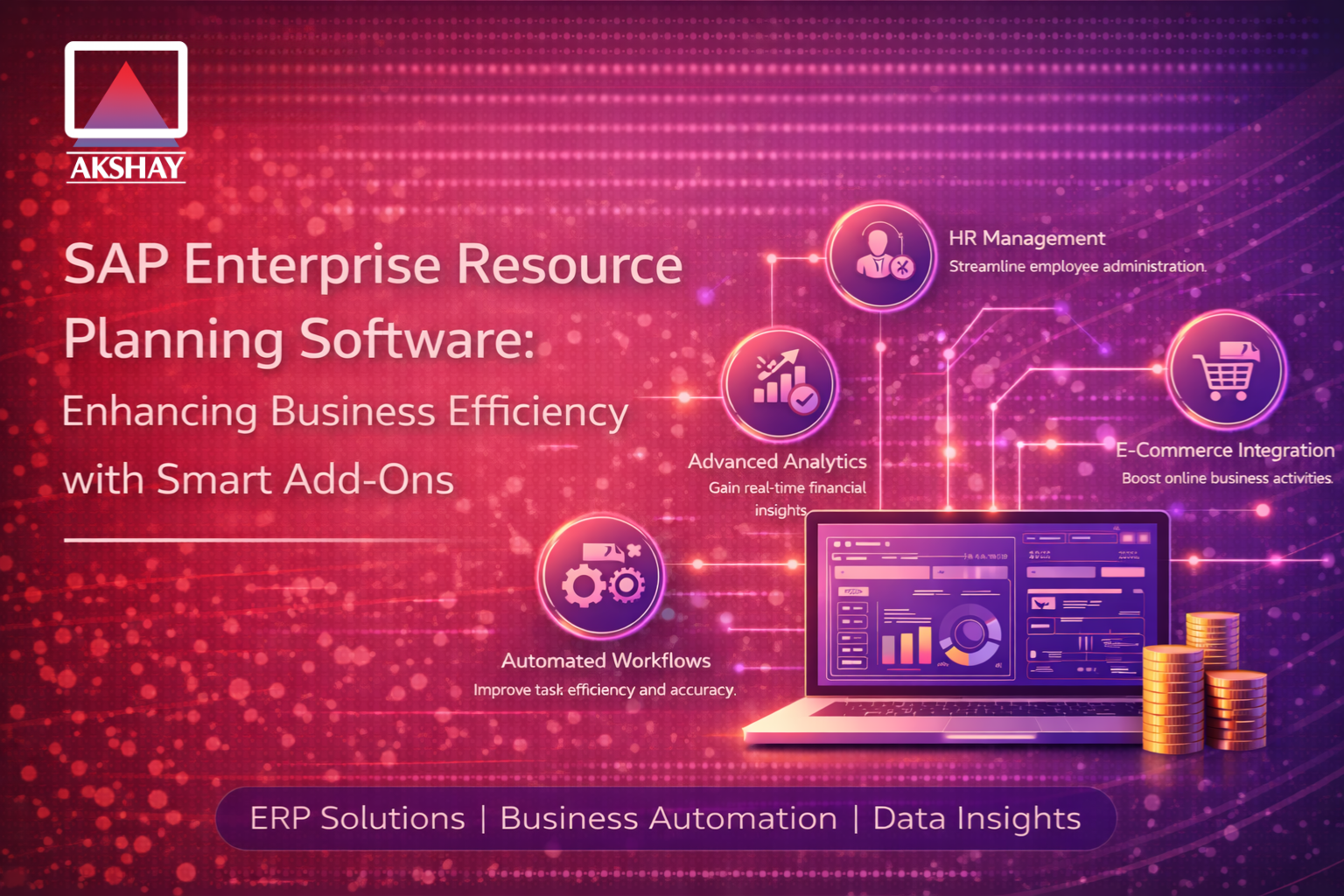
Indian firms face a fast-paced market needing agility and precision. In Mumbai and Bangalore, the need for live data is greater than ever. Local companies aim to optimise their work to compete globally.
New tools let teams focus on new ideas, not just typing data. This shift helps all parts of the firm work together smoothly. Running sap enterprise resource planning software offers a clear path for growth and open records.
These tools help leaders reach a better state of business efficiency in many fields. Smart add-ons improve the main system by solving tough problems. These digital gains turn old ways of working into new success stories.
Learning about these changes helps organisations modernise how they handle data. It creates a safe space for long-term wins. This guide shows how smart features lift your firm to new heights.
Key Takeaways
- Streamlining daily business tasks across all departments.
- Improving data accuracy for diverse Indian teams.
- Boosting overall business efficiency with integrated tools.
- Using customised add-ons for specific industry needs.
- Helping local organisations grow through better digital insights.
- Speeding up vital decision making with real-time analytics.
Understanding SAP ERP: The Foundation of Modern Business Operations
Modern business operations rely on strong ERP systems like SAP. These systems bring together different functions into one. This makes managing resources better, making SAP ERP key for businesses.
What is SAP ERP and Why It Matters for Your Business
SAP ERP is a software that manages many business areas. It handles finances, human resources, supply chain, and customer relations. Using SAP ERP helps businesses run smoother, work better, and save money.
It gives real-time data and insights for better decisions. In today’s fast world, having the right info quickly is a big plus.
The Evolution from SAP ECC to SAP S/4HANA
SAP ECC has been a mainstay for SAP for years. But SAP S/4HANA brings a new, advanced ERP solution. It uses a new database for better performance and analytics.
This change is big for companies wanting the latest ERP tech. SAP S/4HANA is faster, simpler, and smarter than SAP ECC.
How Integration Transforms Business Process Management
Integration is key in SAP ERP. It lets data flow smoothly between departments. This unites business processes, boosts teamwork, and helps adapt to market changes.
| Integration Aspect | Benefits | Impact on Business |
| Financial Management | Real-time financial reporting, improved budgeting | Enhanced financial control and decision-making |
| Supply Chain Management | Streamlined procurement, inventory management | Reduced costs, improved supply chain visibility |
| Human Capital Management | Efficient HR processes, better talent management | Improved employee engagement, reduced turnover |
Core Benefits of Implementing SAP ERP Solutions
SAP ERP solutions are a set of tools to make businesses more efficient. They bring together different parts of a company into one system. This makes businesses work better.
Streamlined Data Management Across All Departments
One big plus of SAP ERP is streamlining data management across departments. It uses a central database to keep data the same everywhere. This stops data from getting lost and helps teams work together better.
Having one place for all data helps keep it correct. It also helps make better choices. This means fewer mistakes and more efficiency.
Real-Time Reporting and Advanced Analytics Capabilities
SAP ERP solutions offer real-time reporting and advanced analytics. This lets businesses react fast to market changes. They can watch their operations closely and act quickly.
The advanced analytics help businesses analyse their data deeply. They find trends and patterns for better decisions. This helps them stay ahead in the market.
Enhanced Decision-Making Through Centralised Information Systems
SAP ERP solutions give a centralised information system. This helps make informed decisions with the latest data. Everyone gets the same data, making decisions more consistent.
This system also cuts down on data mistakes. It makes decision-making more reliable.
Cost Reduction and Optimal Resource Utilisation
Using SAP ERP solutions can cut costs and use resources better. It makes processes smoother and gets rid of waste. This saves money and boosts profits.
Using resources wisely means doing more with less. It makes businesses more productive and competitive.
Essential Modules in SAP Enterprise Resource Planning Software
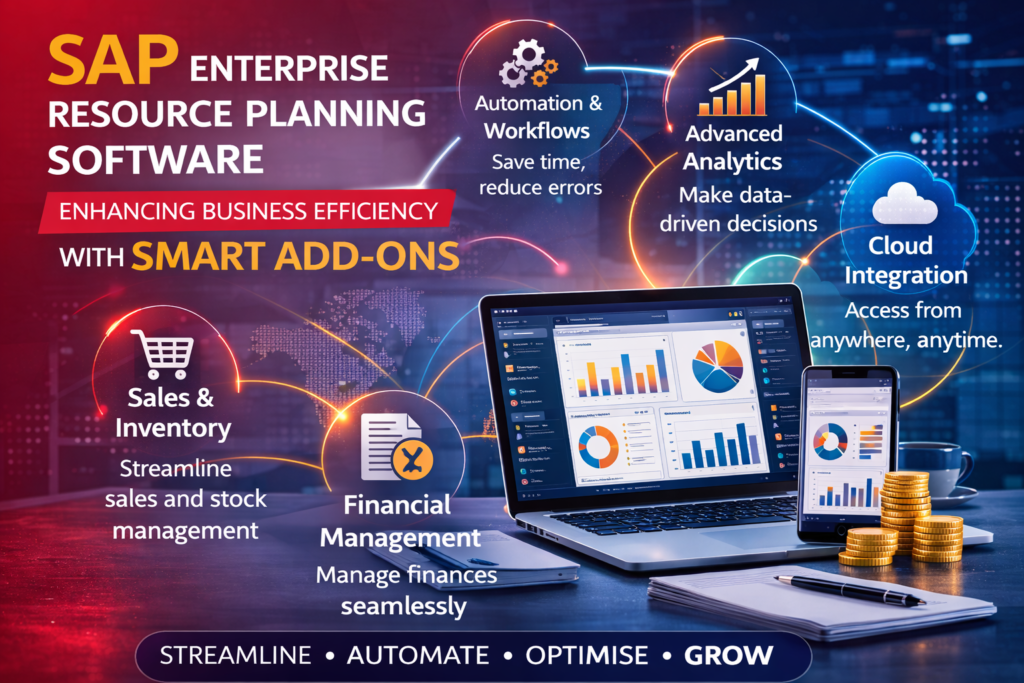
SAP ERP software has key modules for different business tasks. Each module is made to work well with others. This makes sure data flows smoothly and operations run smoothly.
Finance and Controlling (FICO) for Financial Management
SAP FICO handles financial tasks. It helps manage money, accounts, and reports. Effective financial management is key for good decisions, and SAP FICO helps with this.
The FICO module works with other SAP parts. This keeps financial data current and correct everywhere in the company. It also helps follow financial rules, lowering the chance of breaking them.
Materials Management (MM) for Procurement and Inventory
SAP MM manages buying and stock. It handles getting goods, checking stock, and checking invoices. Efficient procurement processes are important for a smooth supply chain. SAP MM makes these tasks easier.
| Key Features of SAP MM | Description |
| Procurement | Automates the purchasing process, from requisition to order. |
| Inventory Management | Manages stock levels, ensuring optimal inventory. |
| Invoice Verification | Verifies invoices against purchase orders and goods received. |
Sales and Distribution (SD) for Revenue Operations
SAP SD handles sales, delivery, and billing. It’s key for companies that make money from sales. The module helps manage orders, prices, and deliveries, making sure customers get what they need.
Key benefits of SAP SD include happy customers from quick deliveries and correct bills. It also helps in managing sales better with good pricing and quotes.
Production Planning (PP) for Manufacturing Excellence
SAP PP is important for making things. It helps plan and control making things. Effective production planning means making what’s needed, cutting waste, and working better.
Human Capital Management (HCM) for Workforce Optimisation
SAP HCM manages people well. It includes tasks like people management, pay, hiring, and checking how well people do. Strategic workforce management is key for success, and SAP HCM has the tools for it.
By linking these key modules, SAP ERP offers a full platform for managing business. This link ensures data is the same everywhere, helping make better decisions and work better.
Smart Add-Ons: Extending Your SAP ERP Capabilities
Adding smart add-ons to SAP ERP systems boosts business growth and efficiency. These add-ons make SAP ERP more flexible and powerful. They help meet specific business needs.
Defining SAP Add-Ons and Their Strategic Value
SAP add-ons are software pieces that add to SAP ERP without changing it. They bring extra features and better user experience. They also support unique business processes.
Key benefits of SAP add-ons include:
- Enhanced functionality to support specific business processes
- Improved user experience through customised interfaces and workflows
- Flexibility to adapt to changing business needs without core system modifications
- Potential for increased productivity and efficiency
The Business Case for Investing in Smart Add-On Solutions
Smart add-on solutions can greatly benefit a business. They make SAP ERP systems more efficient. This leads to cost savings and better decision-making.
For example, an add-on that automates tasks or offers real-time analytics helps businesses make quick decisions. The right smart add-ons give organisations a big strategic edge.
Integration Architecture and Compatibility Requirements
When adding smart add-ons to SAP ERP, think about integration architecture and compatibility. A good plan ensures smooth interaction between the add-on and ERP system. This avoids problems.
Key considerations for integration architecture include:
- Check the add-on’s technical needs and make sure it works with your SAP ERP version
- Design an integration framework that grows and adapts
- Use strong security to keep data safe and access controlled
By focusing on these points, businesses can make sure their SAP ERP and add-ons work well together. This leads to success.
Critical Smart Add-Ons for Enhanced Business Functionality
Adding smart add-ons to SAP ERP boosts a company’s work flow. These tools meet specific needs, making the business run better and grow.
Financial Management and Compliance Add-Ons
Good financial management is key for any business. SAP ERP can be better with add-ons for finance. They make money work smoother and follow rules.
Advanced Payment Processing and Cash Management
These add-ons help manage money better. They give clear views of cash, helping with money flow and cutting down on mistakes.
Automated Tax Compliance and Regulatory Reporting
These tools help deal with taxes and rules. They make it easier to stay on track, lowering the chance of trouble with the law.
Supply Chain and Logistics Enhancement Tools
Improving supply chain and logistics is important. SAP ERP add-ons offer tools to make these areas better.
Extended Warehouse Management System Capabilities
These add-ons make managing stock and warehouses better. They improve stock accuracy and make logistics smoother.
Transportation Management and Fleet Optimisation
These tools help manage transport better. By making routes better, companies can save money and get things delivered faster.
Customer Relationship and Sales Performance Add-Ons
Improving how a company deals with customers and sells is key. SAP ERP add-ons help with this, making customer and sales work better.
Integrated CRM and Customer Experience Platforms
These platforms help manage customer interactions. They give better insights into customers, making their experience better.
E-Commerce Integration and Digital Sales Channels
These tools help sell more online. By linking e-commerce with SAP ERP, companies can make selling easier and connect better with customers.
Manufacturing and Quality Management Extensions
For makers, better production and quality control are vital. SAP ERP add-ons offer tools to make making things better.
Advanced Planning and Scheduling Solutions
These solutions help manage making things better. They improve making things and cut down on waiting times.
Quality Control and Assurance Systems
These systems keep product quality high. By using these, companies can cut down on quality problems and make customers happier.
Strategic Implementation: Planning Your SAP ERP Deployment
A successful SAP ERP deployment needs a good plan. This plan must match your organisation’s needs and goals. You must know your business well, find areas to improve, and use SAP ERP to boost efficiency and growth.
Comprehensive Business Requirements Assessment
Starting with a detailed business requirements assessment is key. This step gathers and looks at your current business processes. It finds gaps and decides what SAP ERP can do for you.
Key steps in this assessment include:
- Talking to people from different departments to learn about their needs and problems.
- Writing down how things are done now and spotting areas for betterment.
- Figuring out what SAP ERP needs to do for your business.
Selecting the Optimal Deployment Model
Picking the best deployment model is vital for SAP ERP success. You have three main options: On-Premise, Cloud, and Hybrid. Each has its own benefits and things to think about.
| Deployment Model | Key Characteristics | Suitability |
| On-Premise | More control over data and setup, can be customised a lot. | Good for companies with special security or rules needs. |
| Cloud | Flexible, costs less upfront, always updated. | Best for businesses wanting to be flexible and not handle IT much. |
| Hybrid | Mixes on-premise and cloud, offers flexibility. | For companies needing both control and to grow. |
Developing Effective Change Management and Training Programmes
Good change management and training are key for a smooth SAP ERP transition. You need to get your team ready for the changes.
Key aspects include:
- Telling everyone why and how SAP ERP will help.
- Training each role well.
- Having a support team for questions and problems.
Creating Realistic Timelines and Resource Allocation Plans
Creating a solid project timeline and resource plan is critical. You need to set realistic goals, assign the right people, and plan for unexpected things.
Critical factors to consider:
- Understanding how complex the project is and what resources you need.
- Setting clear goals and deadlines.
- Making sure you have enough money for the project.
SAP ERP in the Indian Business Context
SAP ERP is key for businesses in India, making them more efficient and compliant. The Indian market has seen a big rise in SAP ERP use. This is true for many sectors like manufacturing, retail, and services.
Adoption Trends Across Manufacturing, Retail, and Services Sectors
SAP ERP is used a lot in different sectors in India. In manufacturing, it makes production smoother and supply chains better. Retail uses it for managing stock and customer relationships. The services sector uses it for finance and managing people.
Key Trends:
- More use in manufacturing for planning and supply chain.
- Retail focuses on stock and customer service.
- Services sector works on finance and people management.
Navigating India-Specific Regulatory and Compliance Requirements
Indian businesses face special rules and compliance needs. SAP ERP helps by having features like GST integration and labour law compliance.
Seamless GST Integration and Automated Tax Filing
SAP ERP makes GST integration easy, helping with tax filings. This automated feature cuts down manual work, reducing errors and penalties.
Labour Law Compliance and Statutory Reporting Features
The labour law feature in SAP ERP helps follow rules like Provident Fund and Employee State Insurance. It also helps with making reports as needed.
Localisation Capabilities for Indian Business Practices
SAP ERP has localisation features for Indian businesses. It supports local languages and follows Indian accounting standards.
Localisation benefits:
- Support for local languages and formats.
- Follows Indian accounting standards and rules.
Case Examples: Indian Enterprises Achieving Success with SAP ERP
Many Indian companies have seen big benefits from SAP ERP. For example, a big manufacturing company used it to improve planning and supply chain. This led to better productivity and lower costs.
| Company | Sector | Benefits Achieved |
| XYZ Manufacturing | Manufacturing | Improved productivity, reduced costs |
| ABC Retail | Retail | Enhanced inventory management, better customer engagement |
Maximising ROI and Long-Term Value from Your SAP Investment
To get the most from SAP, you need a plan. This plan should watch performance, keep improving, and plan for growth. It’s important to manage your SAP ERP well to get the best results.
Establishing and Tracking Performance Metrics and KPIs
It’s key to set clear goals for SAP ERP. These goals should match your business aims. They help see how well you’re doing in finance, operations, and customer happiness.
Key metrics may include:
- Return on Investment (ROI)
- Total Cost of Ownership (TCO)
- Process efficiency gains
- User adoption rates
Implementing Continuous Optimisation and Regular System Upgrades
Keeping SAP ERP up-to-date is essential. Regular updates and maintenance help improve performance and security. This keeps your system running smoothly.
Best practices include:
- Regularly reviewing system performance
- Applying patches and updates promptly
- Engaging with SAP experts for guidance on optimisation
Utilising SAP Community Resources and Expert Support Networks
The SAP community is a great help. It offers forums, guides, and expert advice. This helps businesses learn and grow.
SAP community resources offer:
- Access to a vast knowledge base
- Opportunities for collaboration and knowledge sharing
- Expert advice on complex issues
Planning for Scalability and Future Business Growth
As your business grows, so should your SAP ERP. Planning for this means thinking about future needs and system capacity. You need solutions that can grow with you.
Key considerations for scalability planning include:
- Anticipating future business growth
- Evaluating the system’s capacity to handle increased demand
- Designing a flexible architecture
Conclusion
SAP ERP is key for modern businesses wanting to get better and stay ahead. It brings together different business parts into one system. This makes processes smoother, data better, and decisions smarter.
Using SAP ERP well, with the right add-ons, can really help a business grow. It helps with money management, supply chains, customer relations, and making things better. SAP ERP has all the tools needed to grow a business and make more money.
In India, businesses face many changes. Using SAP ERP can be a big help. It makes businesses more flexible, saves money, and boosts competitiveness. This leads to lasting growth and success.