

Many organisations using SAP Business One still rely on perimeter based security models. Once users log in, they are often trusted by default. This creates a serious risk. A single compromised credential, unmanaged device, or internal misuse can expose sensitive financial and operational data.
SAP B1 zero trust security addresses this challenge by removing implicit trust entirely. Every user, device, and request is verified continuously, regardless of location. For Indian enterprises facing growing cyber threats, regulatory pressure, and hybrid work environments, zero trust is no longer optional. It is a practical security requirement.
This article explains how zero trust principles apply to SAP Business One, why they matter, and how businesses can implement them without disrupting operations.
Key Takeaways
- SAP B1 zero trust security eliminates implicit trust
- Identity and access management is the foundation
- Least privilege access reduces risk significantly
- Multi factor authentication is essential
- Continuous monitoring improves threat detection
- Data centric security protects business critical information
What Is SAP B1 Zero Trust Security
SAP B1 zero trust security is a security approach that assumes no user or system should be trusted automatically. Access is granted only after identity, device posture, and context are verified. Verification continues throughout the session, not just at login.
Unlike traditional security models that focus on firewalls and network boundaries, zero trust focuses on identity, data, and behaviour.
Core principles applied to SAP Business One
- Never trust by default
- Always verify identity and access requests
- Apply least privilege access control
- Monitor user activity continuously
- Protect data at every stage
These principles ensure SAP Business One remains secure even when users access it remotely or from different devices.
Why Traditional SAP B1 Security Is No Longer Enough
SAP Business One environments have changed significantly in recent years. Cloud hosting, remote access, and third party integrations are now common.
Traditional security models fail because they:
- Trust users once they log in
- Rely heavily on network location
- Provide broad access rights
- Lack real time activity monitoring
Attackers exploit these gaps through stolen credentials, phishing, or insider misuse. Zero trust security closes these gaps by enforcing strict validation at every step.
Key Components of SAP B1 Zero Trust Security
Identity and Access Management for SAP Business One
Identity is the foundation of zero trust. Every user must be uniquely identified and authenticated before accessing SAP Business One.
Effective identity and access management includes:
- Centralised user identity management
- Role based access aligned with job responsibilities
- Strong authentication policies
- Regular access reviews
This reduces the risk of unauthorised access and privilege misuse.
SAP B1 Least Privilege Access Control
Least privilege ensures users only have access to what they need and nothing more.
In SAP Business One, this means:
- Limiting access to specific modules
- Restricting sensitive financial and master data
- Removing unused or legacy permissions
- Assigning temporary access where required
Least privilege access control significantly reduces damage from compromised accounts.
Multi Factor Authentication for SAP Business One
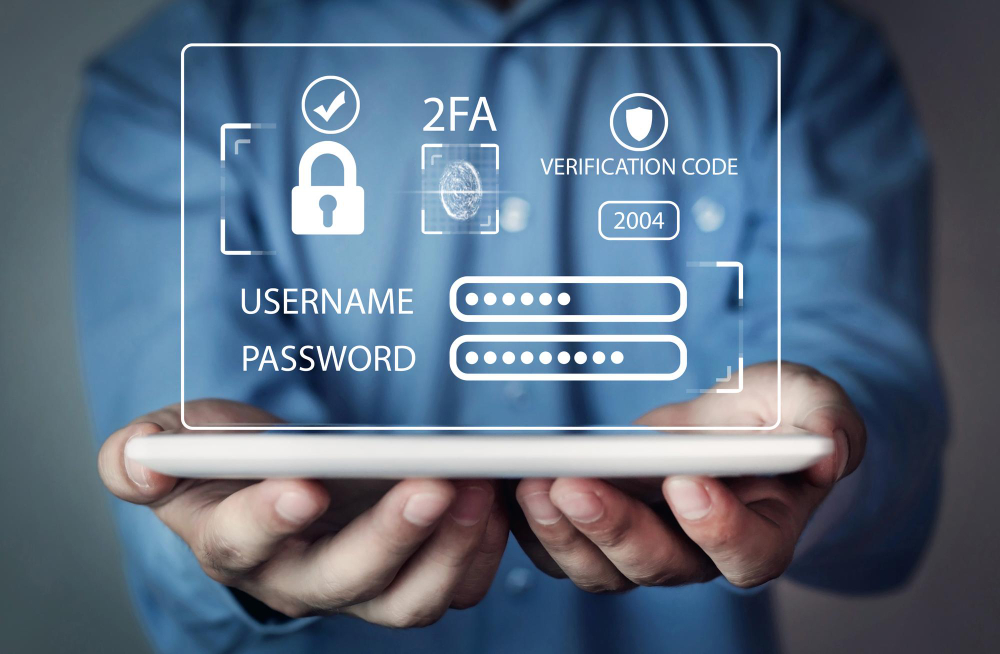
Passwords alone are no longer sufficient. Multi factor authentication for SAP Business One adds an extra layer of security by requiring additional verification.
Common authentication factors include:
- One time passcodes
- Authenticator apps
- Device based verification
Even if credentials are stolen, attackers cannot access SAP B1 without the second factor.
Endpoint and Device Posture Verification in SAP B1 Access
Zero trust evaluates not only the user but also the device being used.
Before granting access, the system checks:
- Device security status
- Operating system updates
- Presence of security controls
- Device ownership and compliance
Access can be limited or blocked if the device does not meet security standards.
SAP Business One Micro-segmentation and Network Security
Microsegmentation divides the SAP B1 environment into smaller, controlled segments. Each segment has its own access rules.
Benefits include:
- Preventing lateral movement inside the network
- Isolating critical SAP components
- Reducing attack surface
- Containing breaches quickly
This is especially useful in environments with multiple integrations or distributed users.
Continuous Monitoring of SAP B1 User Activity

Zero trust security requires constant visibility into what users are doing.
Continuous monitoring focuses on:
- Login behaviour patterns
- Data access frequency
- Unusual transaction activity
- Privilege escalation attempts
Suspicious behaviour can trigger alerts or automatic access restrictions.
Data Centric Security for SAP B1 Environments
Data is the most valuable asset in SAP Business One. Zero trust protects data directly rather than relying only on infrastructure controls.
Data centric security includes:
- Encryption of sensitive records
- Access controls based on data type
- Monitoring data usage and exports
- Protecting backups and reports
This ensures financial and operational data remains secure at all times.
How SAP B1 Zero Trust Security Works in Practice
The zero trust process follows a clear and repeatable flow.
Step by step access validation
- User requests access to SAP Business One
- Identity is verified using strong authentication
- Device posture is evaluated
- Access rights are checked against least privilege policies
- Network and application segmentation rules are applied
- Session activity is monitored continuously
Access is adjusted dynamically based on risk and behaviour.
Key Benefits of SAP B1 Zero Trust Security
Implementing zero trust in SAP Business One delivers measurable benefits.
Business and security advantages
- Strong protection against credential theft
- Reduced insider risk
- Improved compliance readiness
- Secure remote and hybrid access
- Better visibility into system usage
For Indian businesses handling sensitive financial data, these benefits support long term operational stability.
SAP B1 Zero Trust Security vs Traditional Security
| Aspect | Traditional Security | Zero Trust Security |
|---|---|---|
| Trust model | Implicit after login | Continuous verification |
| Access control | Broad permissions | Least privilege access |
| Device checks | Limited | Mandatory posture validation |
| Monitoring | Periodic | Continuous |
| Breach containment | Slow | Immediate isolation |
This comparison highlights why zero trust is more effective for modern SAP B1 deployments.
Conclusion
SAP Business One is central to finance, operations, and decision making. Securing it requires more than traditional controls. SAP B1 zero trust security provides a structured, practical approach to protecting access, data, and users in today’s threat landscape.
For Indian organisations adopting cloud hosting, remote work, or regulatory frameworks, zero trust ensures SAP Business One remains secure without compromising usability.
If your SAP B1 environment still relies on perimeter based security, now is the time to reassess. Implementing zero trust principles can significantly reduce risk while supporting growth and compliance across India’s evolving digital ecosystem.