
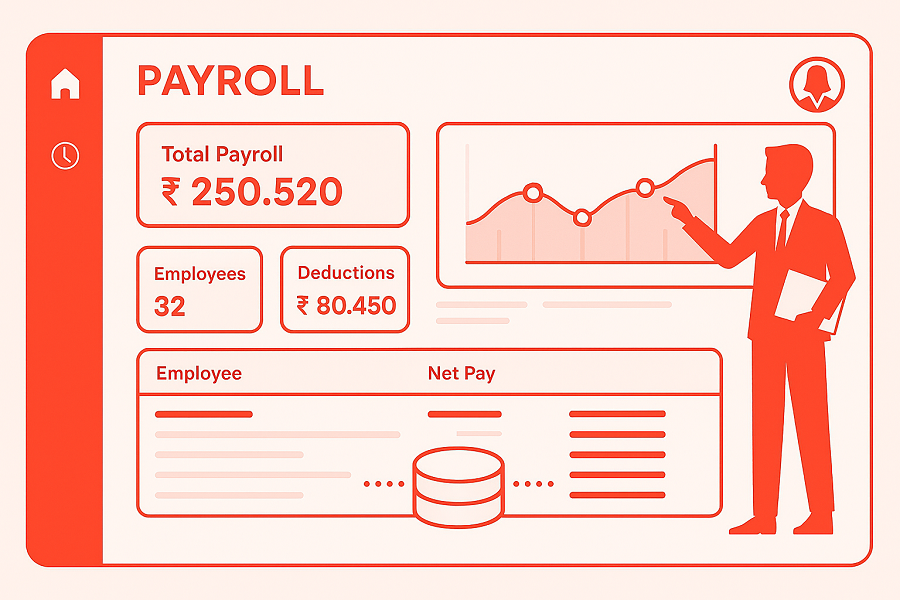
Real time payroll processing has become essential as payroll complexity increases. According to industry studies, payroll errors cost organization’s an estimated 1 to 3 percent of total payroll spend each year due to rework, penalties, and compliance gaps. In India, where statutory rules change frequently, businesses are moving towards real-time payroll processing to reduce risk and improve operational control.
This article explains what real-time payroll processing is, how it works, and why it matters for Indian organisations managing growing workforces and regulatory obligations.
Introduction to real time payroll processing
Payroll is no longer a monthly back office activity. With remote work, flexible shifts, and frequent compliance updates, payroll teams need instant visibility into data. Real-time payroll processing enables payroll calculations, validations, and postings as employee data changes rather than waiting until month end.
By processing payroll in real time, organisations gain accuracy, transparency, and confidence across HR, finance, and payroll functions.
What is real time payroll processing
Real-time payroll processing refers to the ability to calculate and update payroll instantly when changes occur in employee data. This includes attendance, overtime, bonuses, deductions, and statutory contributions.
Instead of batch based payroll runs, payroll data flows continuously from integrated systems into the payroll engine.
Key elements include
- Live payroll calculations triggered by data changes
- Immediate posting of payroll entries into finance systems
- Continuous validation against statutory and company rules
This approach reduces last minute surprises and improves payroll reliability.
Why traditional payroll models fall short
Traditional payroll systems rely on fixed cycles and manual checks. These limitations become even more pronounced for organizations operating across borders, where global payroll challenges such as regulatory variation, reporting complexity, and multi-currency processing demand greater accuracy and real-time visibility. This creates several challenges for Indian organizations.
Common limitations include
- Delayed error detection until payroll finalisation
- High dependency on manual reconciliations
- Increased risk of non compliance due to late rule updates
- Limited visibility for finance and HR teams
As payroll volumes increase, these issues scale rapidly, making real-time payroll processing a practical alternative.
Core components of real time payroll processing
Real time payroll calculation and posting
Real-time payroll calculation and posting ensures that salary components are recalculated automatically when inputs change. For example, when attendance data is updated, salary and statutory values adjust instantly.
This enables
- Accurate gross to net calculations at any time
- Faster payroll approvals
- Reduced end cycle workload
Finance teams also benefit from real-time posting into accounting systems, improving cash flow planning.
Integrated time and attendance payroll system
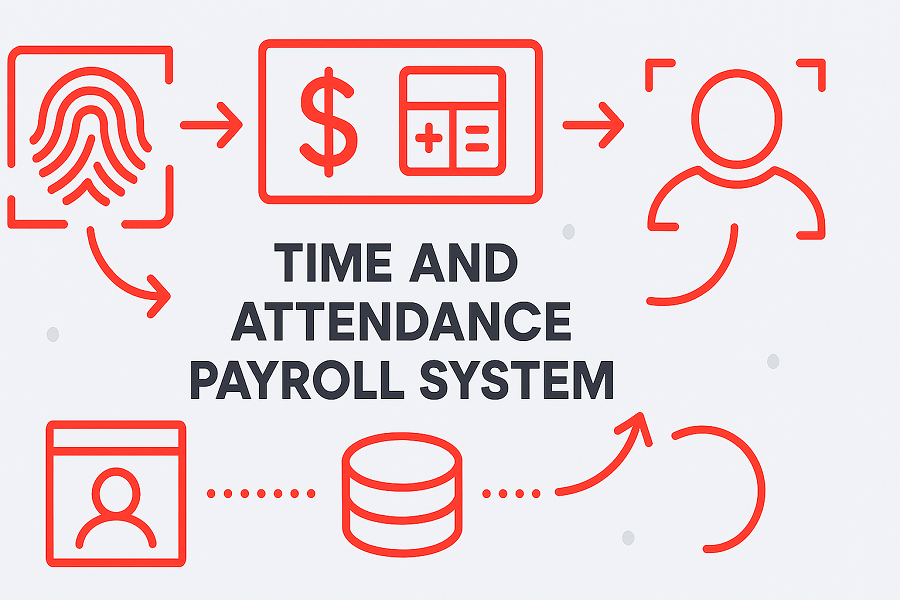
An integrated time and attendance payroll system connects biometric devices, mobile apps, or shift management tools directly with payroll.
Benefits include
- Elimination of manual attendance uploads
- Accurate overtime and leave calculations
- Real-time visibility into payable hours
This integration is especially valuable for manufacturing, retail, and services sectors in India.
Automated payroll compliance and tax updates
Automated payroll compliance and tax updates ensure statutory calculations remain accurate even when regulations change.
This includes
- Provident Fund and Employee State Insurance updates
- Professional tax rules across states
- Income tax slab and surcharge changes
Automation reduces reliance on manual monitoring and lowers compliance risk.
Cloud based payroll management with live data
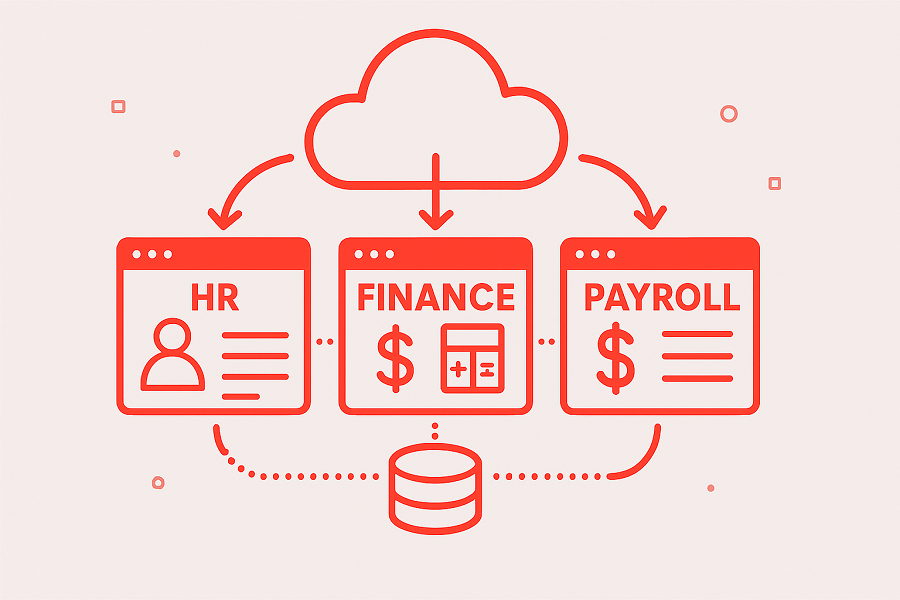
Cloud based payroll management with live data allows authorised users to access payroll information securely from anywhere.
Key advantages include
- Real-time dashboards for payroll status
- Faster collaboration between HR and finance
- Scalable infrastructure without heavy IT investment
Cloud systems also support frequent updates without business disruption.
HR, finance, and payroll data synchronization
HR, finance, and payroll data synchronization ensures consistency across departments. Employee master data, cost centres, and salary structures remain aligned in real time.
This reduces
- Data mismatches
- Reconciliation delays
- Audit queries
Integrated takeaways lead to smoother month end and year end closures.
How real time payroll processing works
The process of real-time payroll processing follows a structured yet flexible flow.
- Employee data updates – Attendance, leave, incentives, or changes in salary components are captured instantly.
- Live validation – The system validates data against payroll rules and statutory requirements.
- Instant calculation – Payroll values are recalculated in real time based on updated inputs.
- Posting and reporting – Payroll entries are posted to finance systems and reflected in dashboards.
- Continuous monitoring – Payroll teams monitor payroll status throughout the cycle instead of only at the end.
This approach reduces last minute firefighting and improves payroll confidence.
Key benefits for Indian organisations
For many growing organizations, these operational gains directly contribute to the ROI of outsourcing payroll, where access to real-time systems, compliance expertise, and scalable infrastructure delivers measurable financial and efficiency returns.
Improved payroll accuracy
Real-time processing significantly reduces calculation errors by eliminating manual intervention and delayed checks.
Stronger compliance control
Automated compliance logic ensures statutory deductions and contributions remain accurate across changing regulations.
Faster payroll cycles
Payroll teams spend less time on corrections and approvals, enabling faster payroll closure.
Better employee experience
Employees receive accurate payslips and timely updates, improving trust and satisfaction.
Enhanced decision making
Finance and HR leaders gain real-time insights into payroll costs and workforce trends.
Comparison of traditional vs real-time payroll processing
| Aspect | Traditional payroll | Real-time payroll processing |
|---|---|---|
| Processing method | Batch based | Continuous |
| Error detection | End of cycle | Instant |
| Compliance updates | Manual | Automated |
| Data visibility | Limited | Live |
| Scalability | Restricted | High |
This comparison highlights why many Indian organisations are modernising payroll operations.
Best practices for adopting real time payroll processing
To implement real-time payroll processing effectively, organisations should follow these practices.
- Standardise payroll policies and rules
- Integrate time, HR, and finance systems early
- Ensure statutory configurations are validated
- Train payroll teams on real-time workflows
- Use dashboards for continuous monitoring
- Hire a Payroll Outsourcing Vendor to manage all of these and free up your time
Key takeaways for payroll and finance leaders
• Real-time payroll processing improves accuracy and compliance
• Live data integration reduces manual effort and errors
• Automated compliance supports changing Indian regulations
• Cloud based systems enable scalability and accessibility
• HR and finance alignment strengthens payroll governance
Real time payroll processing for compliant and efficient payroll operations in India
Real-time payroll processing enables Indian organisations to manage payroll with confidence, accuracy, and transparency. By shifting from batch based cycles to continuous processing, businesses reduce risk, improve efficiency, and support a better employee experience.
For organization’s navigating complex statutory requirements and growing workforces, adopting real-time payroll processing is a practical step towards long term operational resilience.