
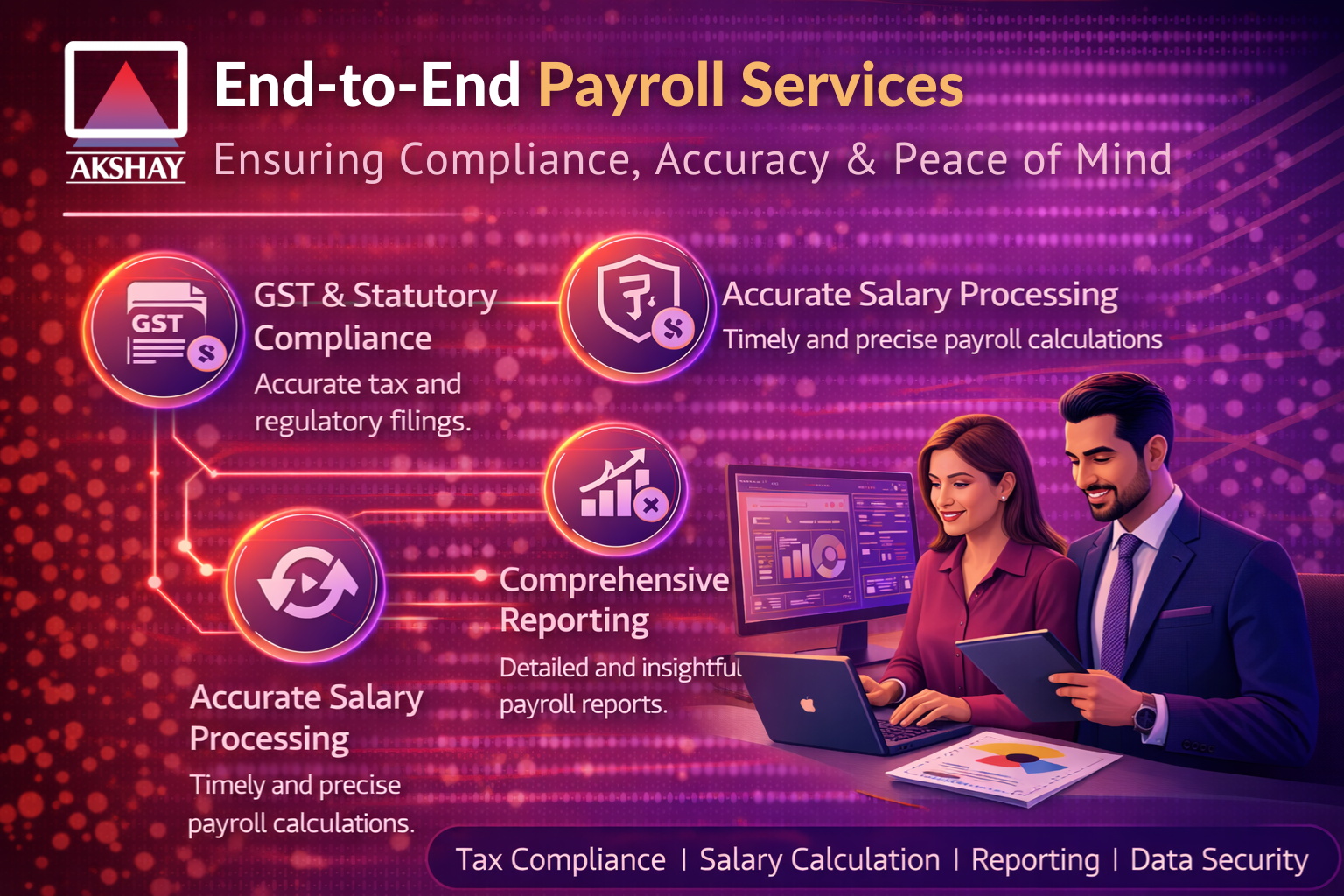
Running a business in India needs careful money watching. Local labour laws can be tricky for growing companies. It’s important to follow these rules to avoid fines and keep staff happy.
Using a strong end-to-end payroll system makes things easier. It makes sure employees get paid on time and follows statutory compliance. This builds trust and keeps workers loyal.
Payroll management is more than just paying wages and taxes. It’s a safe way to handle private data and cut down on mistakes. This keeps your business safe from errors and data breaches.
This guide shows how services can make your business better. We’ll look at key steps for better work and peace of mind. Learn how to make your office work smoother and grow your business.
Key Takeaways
- Ensure compliance with Indian labour laws and tax regulations.
- Reduce manual errors by automating complex financial calculations.
- Improve employee trust through consistent and timely salary disbursements.
- Enhance data security for sensitive worker information and bank details.
- Optimise administrative time to focus on strategic business expansion.
- Gain real-time insights into labour costs and financial reporting.
Understanding End-to-End Payroll Services
The modern business world needs a full approach to payroll. This is where end-to-end payroll services come in. They make payroll processes smooth, accurate, and follow the rules.
What Are End-to-End Payroll Services?
End-to-end payroll services cover a wide range of tasks. This includes payroll processing, following the law, handling tax, and managing employee benefits. By using these services, businesses get better at payroll thanks to experts and new tech.
The Complete Scope of Modern Payroll Management
Modern payroll is more than just paying salaries. It involves many tasks like:
- Salary calculations and processing
- Following the law and managing rules
- Handling tax and filing
- Managing employee benefits and claims
- Keeping track of leave and attendance
Using end-to-end payroll services helps organisations do these tasks well. This reduces the chance of breaking the rules and facing penalties.
Core Components of Complete Payroll Services
Complete payroll services cover many areas. They ensure companies follow the rules and keep employees happy. These services handle payroll’s complex tasks, making sure everything is correct and on time.
Salary Processing and Calculation
Salary processing is key in payroll services. It calculates employee pay, including basic pay, bonuses, and deductions. Accurate salary processing means employees get paid right and on time. This boosts their mood and work effort.
Statutory Compliance and Regulatory Management
Following laws is vital in payroll management. This means sticking to rules about wages, savings, and insurance. Statutory compliance keeps companies out of trouble and protects their good name.
Tax Deductions and Filing
Tax deductions and filing are important parts of payroll. They take tax from salaries and send in tax returns. Efficient tax management keeps companies in line with tax laws, avoiding fines.
Employee Benefits and Reimbursement Administration
Managing employee benefits is another key part. This includes health insurance, leave, and travel pay. Effective benefits administration makes employees happy and helps companies keep the best staff.
| Component | Description | Benefits |
| Salary Processing and Calculation | Accurate computation of employee salaries | Timely and correct payment to employees |
| Statutory Compliance and Regulatory Management | Adherence to labour laws and regulations | Avoidance of legal penalties and reputational damage |
| Tax Deductions and Filing | Deduction and filing of taxes | Compliance with tax laws and avoidance of penalties |
| Employee Benefits and Reimbursement Administration | Management of employee benefits and reimbursements | Enhanced employee satisfaction and retention |
Navigating Payroll Compliance in the Indian Context
In India, making sure payroll is correct is a big challenge. It involves knowing and following many labour laws and rules. Because there are so many rules, it’s key for companies to keep up with the latest laws.
Essential Indian Labour Laws and Statutory Requirements
Indian labour laws cover a lot, like jobs, pay, and social security. Companies must follow these laws:
The Payment of Wages Act, 1936
This law makes sure workers get paid on time. It says how often pay must be given and what can be taken out of it.
Employees’ Provident Fund and Miscellaneous Provisions Act, 1952
This act helps with social security and retirement. Companies must put money into the Employees’ Provident Fund (EPF) and the Employees’ Pension Scheme (EPS) for their workers.
Employees’ State Insurance Act, 1948
This act gives medical care and other help when workers are sick, have a baby, or get hurt at work. Companies must pay into the Employees’ State Insurance Corporation (ESIC) for these benefits.
Professional Tax and Income Tax Regulations
Professional tax is a tax on income that varies by state. Companies must take out and send this tax. They also have to follow income tax rules, like taking out Tax Deducted at Source (TDS) from salaries.
| Statute | Purpose | Key Compliance Requirements |
| The Payment of Wages Act, 1936 | Regulates timely payment of wages | Payment within specified timeframe, permissible deductions |
| Employees’ Provident Fund and Miscellaneous Provisions Act, 1952 | Provides retirement and social security benefits | Contribution to EPF and EPS |
| Employees’ State Insurance Act, 1948 | Provides medical care and benefits | Contribution to ESIC |
| Professional Tax and Income Tax Regulations | Tax compliance | Deduction and remittance of professional tax, TDS on salaries |
The Cost of Non-Compliance
Not following Indian labour laws can lead to big fines and penalties. Companies might face legal trouble, damage to their reputation, and money loss. So, it’s very important for businesses to focus on following the rules to avoid these problems.
Consequences of Non-Compliance:
- Financial penalties and fines
- Legal action against the organisation
- Reputational damage
- Loss of business licenses or permits
Implement End-to-End Payroll Services: A Step-by-Step Guide
Implementing end-to-end payroll services takes several key steps. These steps help organisations meet compliance, accuracy, and peace of mind. A structured approach ensures a smooth transition to managing payroll fully.
Conduct a Complete Payroll Audit
Start by doing a detailed payroll audit. This step looks at current payroll processes, finds what’s not working well, and spots areas for betterment. It helps understand the current payroll setup, including salaries, benefits, and legal needs.
Key things to check during the audit are:
- Is the payroll data correct and complete?
- Are we following all laws?
- Is our current payroll process efficient?
- How do we handle employee benefits and reimbursements?
Define Your Organisation’s Specific Needs
After the audit, define what you need from payroll services. Think about the features and functions you require. Important things to consider are:
- Can the service grow with our business?
- Does it follow local labour laws?
- Does it work well with our HR and accounting systems?
- Is it easy for employees and administrators to use?
Research and Choose a Service Provider
Finding the right payroll service provider is key. Look into their experience, technology, and support. Important things to look at are:
- Have they worked with similar businesses before?
- What technology and software do they use?
- Do they know about local laws?
- How good is their customer support?
Plan Data Migration and System Integration
Planning data migration and system integration is vital. Make sure your payroll data moves smoothly to the new system. It should also work well with other HR and accounting systems. Important steps are:
- Clean and prepare the data.
- Match data fields to the new system.
- Test the data migration for accuracy.
- Make sure it works with other systems.
Prepare Employee Communication and Training
Good communication and training are essential for a smooth change. Create a plan to tell employees about the changes. Provide training for those using the new system. Important steps are:
- Make a communication plan and schedule.
- Make user guides and training materials.
- Hold training sessions for employees and administrators.
- Set up support for questions after the change.
Execute Testing and Validation Procedures
Before starting the new system, do thorough testing and validation. This makes sure it works right, handles payroll well, and follows laws. Important testing areas are:
- Does it process payroll correctly?
- Does it follow legal deductions and filings?
- Does it work with other systems?
- Is user access and security good?
Launch and Establish Ongoing Monitoring
After testing, launch the new system. But, the work doesn’t stop there. Keep an eye on the system to make sure it meets your needs and changes with the business. Important ongoing tasks are:
- Do regular system checks and reviews.
- Keep an eye on payroll processes.
- Update the system for new laws and changes.
- Offer ongoing support to employees and administrators.
How Automated Systems Guarantee Payroll Accuracy
Payroll accuracy is key for businesses. Automated systems are changing the game. They help reduce errors and meet legal rules.
Eliminating Human Error Through Automation
Manual payroll can lead to big mistakes. Automated payroll systems fix this by accurately handling salaries and taxes. They use rules and algorithms for precise work.
For example, they handle Provident Fund (PF) and Employee State Insurance (ESI) correctly. This lowers the chance of breaking the law.
Real-Time Data Synchronisation Across Systems
Automated systems keep data in sync across HR and finance. This keeps payroll info current and consistent everywhere.
Real-time syncing also links well with other systems. Like time tracking, leave management, and performance reviews.
| Benefits of Real-Time Data Synchronisation | Description |
| Consistency | Ensures payroll data is consistent across all systems |
| Accuracy | Reduces errors caused by outdated or incorrect data |
| Efficiency | Streamlines payroll processing and reduces manual effort |
Comprehensive Audit Trails and Detailed Reporting
Automated systems offer comprehensive audit trails and detailed reporting. This lets companies track changes and stay transparent.
These tools are great for keeping up with rules. They show all payroll actions and changes clearly.
- Audit trails help find and fix errors
- Detailed reports help make smart choices and plans
The Peace of Mind Benefits of Professional Payroll Services
Professional payroll services do more than just follow rules. They help businesses run smoothly and give them peace of mind. Outsourcing payroll to experts brings many benefits.
Reclaiming Valuable Time for Strategic HR Functions
Outsourcing payroll lets businesses save time. They can then focus on important HR tasks. This means HR teams can work on things like hiring, keeping employees happy, and managing benefits.
With more time for HR, businesses can make their workplaces better. They can create better training, improve company culture, and make policies that help everyone.
| HR Function | In-house Payroll | Outsourced Payroll |
| Talent Acquisition | Limited focus due to payroll tasks | Enhanced focus on recruitment strategies |
| Employee Engagement | Restricted by payroll administration | Improved employee engagement initiatives |
| Benefits Administration | Time-consuming due to payroll complexities | Streamlined benefits management |
Minimising Legal and Financial Risk
Professional payroll services help reduce legal and financial risks. They keep up with all the rules. This means businesses avoid big fines and damage to their reputation.
Seamless Scalability as Your Business Grows
As businesses grow, so do their payroll needs. Professional payroll services grow with them. They adapt without needing a lot of new resources.
This means payroll stays efficient and accurate, even when the business is expanding fast.
In short, professional payroll services give businesses peace of mind. They save time for HR, reduce risks, and grow with the business. This lets businesses focus on what they do best and grow.
Choosing the Right Payroll Services Provider in India
Finding a good payroll services provider in India is key. They help with rules, pay accuracy, and give you peace of mind.
Critical Features and Capabilities to Evaluate
When looking at payroll services providers in India, there are important things to check. This helps you choose wisely.
Indian Compliance Expertise and Knowledge
A provider must know a lot about Indian labour laws. They should handle Provident Fund (PF), Employees’ State Insurance (ESI), and other rules well.
Robust Technology Infrastructure and Security
The provider needs a strong tech setup. This means data is safe and secure. Look for things like encryption and regular backups.
Responsive Customer Support and Service Level Agreements
Good customer support is key. It helps solve problems fast. Make sure the provider has clear Service Level Agreements (SLAs).
Essential Questions to Ask
Ask the right questions to check providers. Some questions are:
- What experience do you have with Indian businesses?
- How do you keep up with Indian labour law changes?
- Can you show me examples of your work?
- How do you protect our data?
Understanding Costs and Calculating Return on Investment
It’s important to know the costs of payroll services. Think about savings, less risk, and happier employees. This helps you see if it’s worth it.
By looking at these points, you can pick the best payroll services provider in India.
Conclusion
End-to-end payroll services help businesses manage their payroll well. Outsourcing to a trusted provider ensures they follow rules, pay correctly, and relaxes HR teams.
These services bring many advantages. They make payroll smoother, lower the risk of mistakes, and make employees happier. As companies grow, a good payroll service grows with them, supporting and guiding.
Choosing the right payroll service in India is key. Look at their skills, experience, and how they’re seen by others. The right partner boosts compliance, accuracy, and helps manage HR better.