
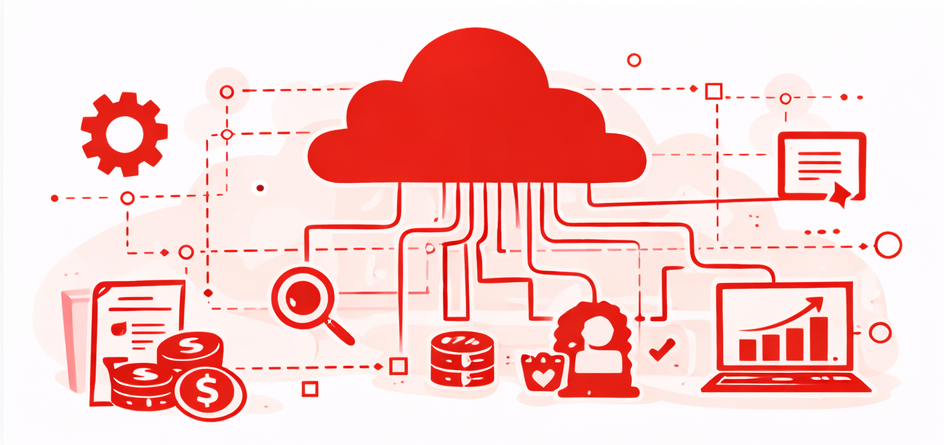
Is your enterprise’s most valuable asset—its data—trapped in isolated silos? This forces decisions on instinct, not insight. In India’s dynamic market, forward-thinking organisations face a key question. True digital transformation is more than adopting new software. It’s about rewiring how your business communicates. Strategic cloud ERP integration is the key. It connects your core Enterprise Resource Planning system in the cloud with all other apps, platforms, and data sources.
This is not just for your IT team. It’s a core business need for seamless data flow and informed decision-making.
This guide is for business leaders. We’ll explore the benefits, strategies, technologies, and a blueprint for implementation.
Our aim is to help organisations thrive in a fully connected digital economy.
Key Takeaways
- Cloud ERP integration is the critical foundation for a unified and intelligent business ecosystem, not just an IT project.
- Strategic system integration is a core business imperative for improving visibility and agility.
- Seamless data flow breaks down information silos, enabling real-time insights across departments.
- Successful integration directly supports better, faster decision-making based on accurate information.
- A well-planned strategy is essential for Indian businesses to compete in the digital economy.
- Implementation requires a clear blueprint covering technology, processes, and people.
- The ultimate goal is achieving operational transparency and a connected enterprise.
Why Cloud ERP Integration is Non-Negotiable for Modern Businesses
Choosing a Cloud ERP is now essential, not just a nice-to-have. Companies stuck with old systems can’t make quick, smart choices. They need a connected system to thrive.
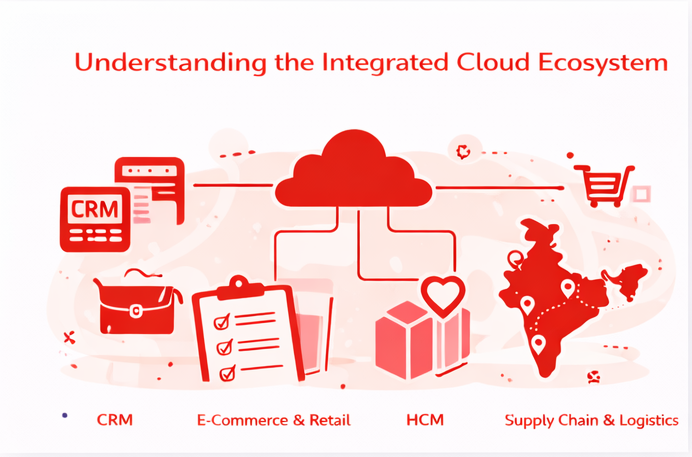
Understanding the Integrated Cloud Ecosystem
A cloud ecosystem is like a network where all your apps can communicate smoothly. Your Cloud ERP is like the brain, managing data flow across your company.
This setup reduces manual work and mistakes. Your financials, customer info, and more are all connected. This helps apps like:
- Customer Relationship Management (CRM) platforms for sales and service data.
- E-commerce and retail systems for inventory and orders.
- Human Capital Management (HCM) suites for payroll and talent.
- Supply chain and logistics tools for full visibility.
A good ERP system integration turns data into useful business insights.
The Business Case: Efficiency, Insight, and Agility
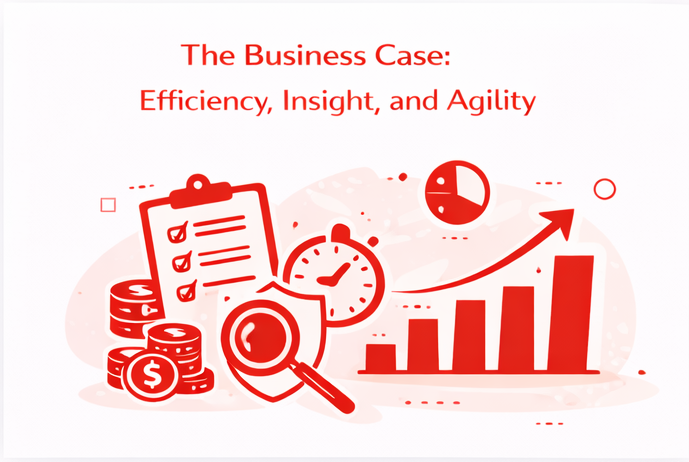
Integrating your systems makes sense financially and operationally. It boosts your bottom line and strategy.
First, you get more efficient. Tasks like orders and reports are automated. This saves money and reduces mistakes, letting your team do better work.
Second, you get better insights. With all data in one place, you can make quick decisions. Managers can track sales and profits easily and make forecasts based on current data.
Third, you become more agile. An integrated system helps you adapt fast. Launching new products or entering new markets is easier, not chaotic.
Competitive Advantage in the Digital Indian Market
In India’s fast-changing digital economy, integration is key. The market’s size, diversity, and speed need a flexible technology stack.
A unified Cloud ERP gives you an edge. You can quickly meet local demands, tailoring marketing and inventory to each area. This is vital in India’s varied markets.
It also makes dealing with rules like GST easier. Your financials stay consistent, reducing risk and saving time.
Lastly, it helps you handle supply chain issues better. With clear visibility, you can manage disruptions and keep deliveries on time. For growth in India, a strong erp system integration strategy is essential.
Core Strategies for Effective Cloud ERP Integration
Now, let’s talk about real strategies for cloud ERP integration. Choosing the right method is key. It affects your system’s speed, cost, and future success. For Indian businesses, picking the right cloud services integration is critical.
API-Led Connectivity: Building a Flexible Foundation
Modern integration uses APIs. APIs are like building blocks that let systems talk to each other. This makes everything work smoothly together.
This method is great for many reasons. It makes things scalable, so you can easily add new apps. It also improves developer productivity by reusing components repeatedly. In India’s fast-changing market, this flexibility is very useful.
Imagine a system where everything connects easily. Your online shop can link to your ERP through an API. Your CRM can then get customer info from the same API. This saves money and speeds up the development of new ideas.
Leveraging an Integration Platform as a Service (iPaaS)
Handling many APIs can get complicated. That’s where an iPaaS comes in. An iPaaS is a cloud service that helps manage and automate app and data connections.
It’s like a central place for all your cloud services. Top solutions like Boomi, MuleSoft, and Workato offer tools and dashboards. They help manage different apps, old systems, and databases.
The big plus is less work for IT. Your team can easily set up and check integrations. This speeds up projects and keeps data safe.
Evaluating Point-to-Point and Hybrid Approaches
Not every integration needs a big platform. It’s important to know the different ways to connect systems. The main types are point-to-point and hybrid.
Point-to-Point Integration makes a direct link between two systems. It’s easy to set up for simple needs.
- Pros: Quick to start, low delay for that one connection.
- Cons: Gets messy as systems grow, hard to keep up, lacks an overall view.
Hybrid Integration mixes direct links for simple tasks with a central service for complex ones. This is often the best choice.
- Pros: Good balance of speed and control, saves money, and works with old systems in India.
- Cons: Needs more planning to decide which connections to use.
Most Indian businesses find that hybrid work best suits them. It gives quick wins and a strong base for the future.
Aligning Your Integration Strategy with Business Objectives
A good integration strategy must help your business goals. Your technical plan should match your company’s aims.
First, ask what you want to achieve. Do you want faster orders, better customer insights, or real-time GST reports? Your integration should help these goals.
For example, to improve customer service, your systems must share data in real-time. This ensures that every technical effort delivers real business benefits, such as more sales or loyal customers.
Check your integration plan against business goals often. This keeps your integration flexible and helps you stay ahead in India’s fast market.
Essential Technologies and Tools Powering Integration
Every cloud ERP integration needs the right tech stack. This includes protocols, standards, and platforms. They make your applications work together smoothly.
For fast-growing Indian businesses, picking the right tools is key. It affects costs, vendor lock-in, and working with local digital services.
APIs Explained: RESTful Services, SOAP, and GraphQL
APIs are the base for cloud ERP integration. They let different software parts talk to each other. Choosing the right API is important for how well it works and for developers.
RESTful APIs are popular for cloud integrations. They use HTTP methods and are easy to scale. They’re great for web and mobile apps.
SOAP is older and more complex. It uses XML and has security features. It’s good for old systems or where standards are strict.
GraphQL is new and flexible. It lets apps get just the data they need. This is useful for complex integrations.
Choosing depends on the project. REST for general use, SOAP for security, and GraphQL for data-rich apps.
Data Standards and Transformation: JSON, XML, and ETL
Data must be in a common format for systems to work together. This is where data formats and transformation come in.
JSON is the main language for web APIs. It’s easy to read and use. It’s the top choice for most projects.
XML is more detailed and structured. It’s used in B2B exchanges and for older systems.
ETL processes are essential. They clean and change data for different systems. Good ETL ensures data is right and on time.
Indian businesses should consider local support and costs. The right platform makes integration easier and more strategic.
A Step-by-Step Blueprint for Integration Implementation
For Indian businesses, a clear plan makes cloud services integration easy. It’s a step-by-step journey from planning to live use. This guide helps connect your apps, data, and people smoothly.
A successful ERP cloud integration is a journey, not a single event. These three phases keep your project on track and efficient.
Phase 1: Discovery, Analysis, and Planning
This first phase is about knowing your current setup and future goals. Rushing here can lead to delays and extra costs.
Conducting a Detailed Systems and Process Audit
Start by mapping your digital world. Find all apps, databases, and manual steps that will link with the new ERP. This audit answers important questions.
- Which systems hold master data (e.g., customer, product, financial)?
- Where are the current data silos and manual data entry points?
- What are the existing workflows, and where are the bottlenecks?
- What is the technical state of legacy systems? Can they support modern APIs?
This audit shows the real scope of your cloud services integration effort. It highlights key connections for day-one and others for later.
Setting Clear Goals, KPIs, and Governance
After the audit, define success clearly. Avoid vague goals like “improve efficiency.” Set Specific, Measurable, Achievable, Relevant, and Time-bound (SMART) goals.
Common KPIs for an erp cloud integration project include:
- Reduction in manual data entry hours per week.
- Improvement in order-to-cash cycle time.
- Increase in real-time data availability for decision-making.
- Reduction in integration-related error rates.
Also, form a governance committee. It includes IT, business units, and leadership. This team makes decisions, manages risks, and ensures the project meets business goals.
Phase 2: Design, Build, and Secure
This phase turns plans into reality. It involves making key technical choices and building secure connections.
Architectural Design and Technology Stack Selection
Architects design the integration flow based on your audit and goals. They decide how data moves and is transformed. Key choices include real-time or batch processing and the data model.
The technology stack is chosen here. This often includes:
- An Integration Platform as a Service (iPaaS) for centralised management.
- Specific API protocols (RESTful APIs are common for cloud integrations).
- Data transformation tools within the iPaaS or separate ETL utilities.
The design must be flexible and scalable for future growth and new apps.
Embedding Security, Compliance, and Data Governance
Security is essential and cannot be an afterthought. For Indian businesses, this means following global best practices and local regulations. Every data flow must be secured.
Key actions include end-to-end encryption, strict API access, and user roles. Data governance policies are needed for quality, ownership, and lifecycle management.
Focus on compliance standards relevant to your industry, like data localisation. Building these protocols into the architecture is more effective than adding them later.
Phase 3: Testing, Go-Live, and Continuous Optimisation
The final phase ensures the integration works well in the real world and continues to deliver value.
Executing Thorough Testing and Stakeholder Sign-off
Comprehensive testing is essential. Go beyond simple checks to structured testing cycles.
- Unit Testing: Validate each individual integration interface or API call.
- Integration Testing: Test how the connected systems work together as a whole.
- User Acceptance Testing (UAT): Business users validate that real-world processes function correctly.
- Performance and Load Testing: Ensure the system handles peak transaction volumes.
Formal sign-off from business stakeholders on the UAT results is the green light for go-live. Plan a controlled launch, perhaps migrating data in batches or enabling the integration for a pilot department first.
Monitoring Performance and Evolving the Integration
After go-live, focus on monitoring and optimisation. Use the KPIs defined in Phase 1 to measure success. Implement dashboard tools to track data flow health, error rates, and system latency.
A proactive monitoring stance allows you to identify and fix issues before users notice them. Your erp cloud integration must evolve as business needs change.
Schedule regular reviews to assess if new systems need connecting, if processes can be further optimised, or if new business intelligence can be extracted from the integrated data flow. This turns your integration from a project into a permanent strategic asset.
Conclusion
A good cloud ERP integration makes separate systems work together as a single system. It links your whole business, from finance to customer service.
In India, having a strong cloud ERP integration is essential. It helps your business grow strong, make smart choices, and adapt quickly.
Think of this integration as a never-ending process. Using APIs and modern platforms keeps your business fresh and ready for new things.
Choosing a smart cloud ERP integration helps your business grow for the long term. It keeps you ahead in India’s fast-changing digital world.