
E invoicing GST compliance 2026 is quickly becoming one of the most discussed topics in Indian finance and taxation circles.
For many B2B companies, a major challenge in account based marketing is fragmented billing data across key accounts, leading to reporting delays and lost revenue insights. According to industry studies, over 30 percent of mid sized Indian enterprises still struggle with invoice mismatches and manual reconciliation, directly impacting cash flow and compliance.
This is where the move towards mandatory and expanded e invoicing under GST becomes a turning point, not only for tax authorities but also for businesses seeking accuracy, transparency and automation.
In this guide, we will explore what E invoicing GST compliance 2026 means, why it matters, how it works and how Indian businesses can prepare for it confidently.
Introduction to E invoicing GST compliance 2026
E invoicing under GST is not new in India. It was introduced in a phased manner starting with large enterprises and later extended to smaller businesses. By 2026, the government aims to broaden its scope and strengthen enforcement, making E invoicing GST compliance 2026 a critical requirement rather than an option.
At its core, e invoicing means generating invoices in a standardised digital format that is authenticated by the GST network. This ensures every invoice is reported in real time and is traceable throughout the supply chain.
For businesses, this shift is less about compliance alone and more about adopting a more reliable and automated invoicing ecosystem.
What exactly is E invoicing under GST
E invoicing under GST refers to the electronic generation and reporting of B2B invoices through the Invoice Registration Portal managed by the government.
Instead of uploading invoice data manually into GST returns, businesses generate invoices in their accounting or ERP system and then register them on the portal. Once validated, a unique Invoice Reference Number and QR code are issued.
This data flows automatically into GST returns, reducing duplication and errors.
Why the 2026 timeline matters
The year 2026 is significant because the government is expected to
Expand e invoicing to more taxpayer categories
Tighten validation rules and penalties
Integrate deeper with e way bills and GST returns
Encourage full scale E invoicing automation across industries
This makes early preparation essential for businesses that want to avoid operational disruptions later.
Why E invoicing GST compliance is becoming mandatory
The primary objective of the GST regime is transparency and reduction of tax leakage. Traditional invoicing allowed room for manipulation, delayed reporting and mismatches.
E invoicing addresses these issues by
Providing real time reporting of transactions
Reducing fake or duplicate invoices
Improving tax collection efficiency
Enabling faster dispute resolution
From a business perspective, compliance is no longer just about avoiding penalties. It is about aligning with a system that promotes trust and predictability.
Key benefits of E invoicing GST compliance 2026
Adopting E invoicing GST compliance 2026 brings advantages that go beyond regulatory adherence.
Improved accuracy and reduced errors
Since invoices are validated at the source, the chances of incorrect GSTINs, tax rates or values drop significantly.
This reduces rejections, credit mismatches and manual corrections.
Faster GST return filing
Invoice data flows directly into GST returns, cutting down the time and effort needed to prepare and reconcile returns each month.
This allows finance teams to focus more on analysis and planning rather than data entry.
Enhanced cash flow management
With cleaner data and faster reconciliations, businesses can claim input tax credit sooner and avoid working capital blocks.
This is especially valuable for B2B companies with high transaction volumes.
Better compliance and audit readiness
Every invoice is traceable and time stamped, making audits smoother and less disruptive.
This builds credibility with tax authorities and business partners alike.
Foundation for E invoicing automation
Once E invoicing is implemented, it becomes easier to automate related processes such as payments, reconciliations and reporting, creating a more connected finance ecosystem.
How E invoicing GST compliance works in practice
Understanding the process helps remove much of the complexity around E invoicing.
Here is a simplified step by step flow.
Step 1 Invoice generation in your system
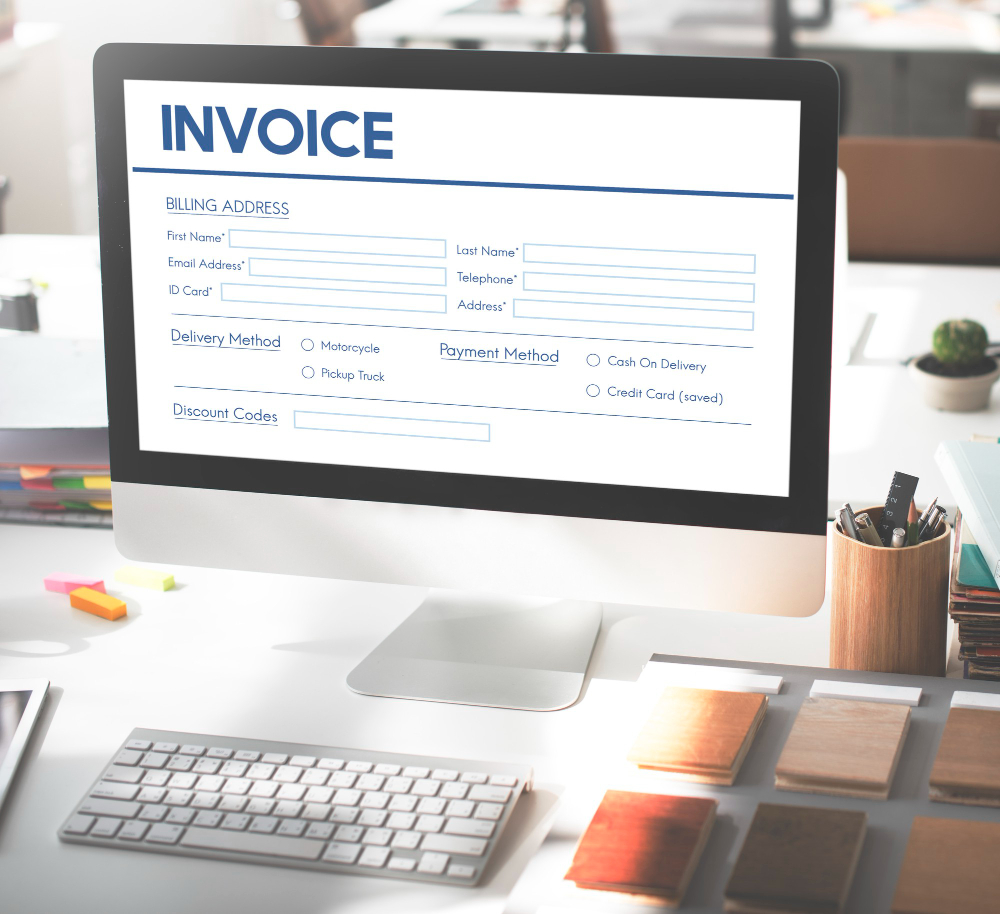
The business creates an invoice in its ERP or accounting software in the prescribed format.
This is where tools like SAP E invoicing Add On become important, as they ensure invoices are generated in compliance with GST standards.
Step 2 Upload to Invoice Registration Portal
The invoice data is uploaded to the government portal either directly or through an integrated API.
Step 3 Validation and IRN generation
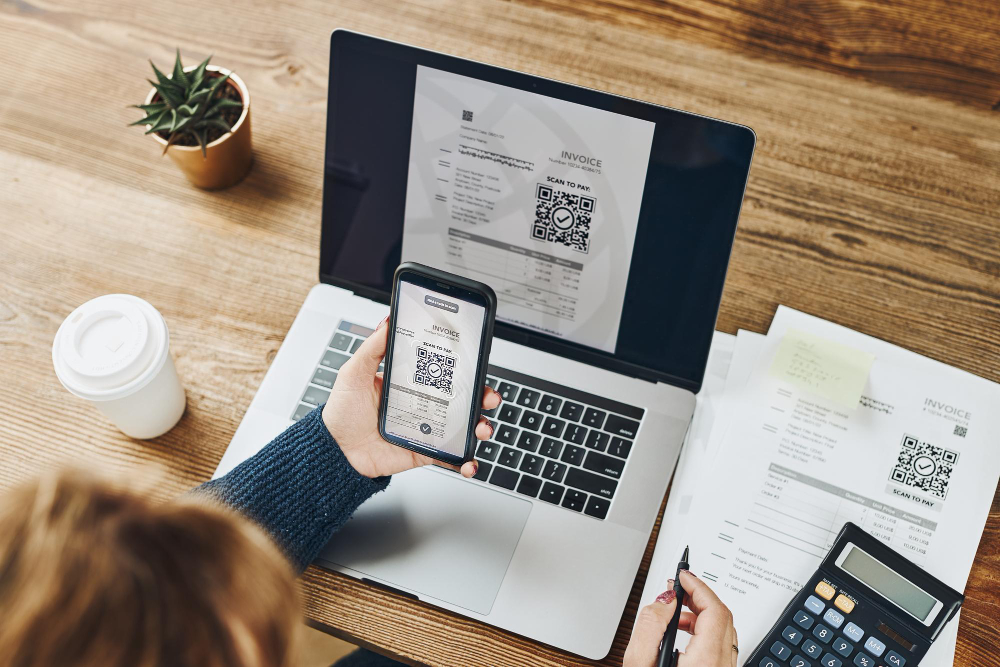
The portal validates the invoice and generates a unique Invoice Reference Number and QR code.
Only after this step is the invoice considered legally valid.
Step 4 Data flows to GST returns and e way bill
The validated data is automatically shared with the GST system and e way bill portal, reducing the need for multiple entries.
Step 5 Invoice sharing with buyer
The final invoice with QR code and IRN is shared with the buyer for their records and compliance.
Role of SAP E invoicing Add On in compliance
Many Indian enterprises use SAP as their core ERP. The SAP E invoicing Add On plays a crucial role in enabling seamless compliance.
It allows businesses to
Generate invoices in the required schema
Integrate directly with the GST portal
Automate IRN generation and QR code embedding
Track invoice status and errors centrally
This not only simplifies compliance but also reduces dependency on external tools and manual interventions.
For businesses already on SAP, implementing this add on is often the most efficient path to E invoicing GST compliance 2026.
E invoicing automation and its growing importance
Manual compliance might work for a small number of invoices, but it becomes unmanageable as volumes grow.
E invoicing automation ensures that the entire process from invoice creation to reporting happens with minimal human intervention.
Key components of E invoicing automation include
Real time integration with ERP systems
Automated validations before submission
Instant error alerts and corrections
Auto population of GST returns
Automation reduces the risk of non compliance while improving speed and scalability.
As the government tightens compliance norms towards 2026, automation will shift from being a competitive advantage to a necessity.
Common challenges businesses face
Despite its benefits, many businesses struggle during the transition to E invoicing.
Some common challenges include
Legacy systems not compatible with GST formats
Lack of internal expertise
High initial implementation effort
Change resistance among teams
The key to overcoming these challenges lies in early planning, choosing the right technology partner and investing in training.
How to prepare your business for E invoicing GST compliance 2026
Preparation should begin well before E invoicing becomes mandatory for your category.
Here are some practical steps.
Assess your current invoicing process
Map how invoices are currently generated, approved and reported. Identify manual touchpoints and potential risk areas.
Upgrade or integrate your ERP
Ensure your accounting or ERP system supports GST compliant e invoicing. For SAP users, evaluate the SAP E invoicing Add On or certified alternatives.
Invest in E invoicing automation
Choose solutions that can scale with your business and adapt to regulatory changes.
Avoid short term fixes that require heavy manual work.
Train your finance and operations teams
Compliance is not just a system issue but also a people issue.
Teams should understand not only how to use the tools but also why compliance matters.
Run parallel testing
Before going live fully, run E invoicing in parallel with your existing process to identify gaps and resolve them.
Industry impact of E invoicing GST compliance 2026
Different industries will feel the impact differently.
Manufacturing and wholesale businesses with high B2B volumes will benefit from faster reconciliations.
IT and professional services firms will see improved accuracy in cross state transactions.
Logistics and supply chain companies will gain better traceability and integration with e way bills.
Overall, E invoicing is expected to make the Indian tax ecosystem more mature and globally aligned.
Frequently asked questions on E invoicing GST compliance 2026
Is E invoicing mandatory for all businesses by 2026
The government has not yet announced a single threshold for all businesses. However, the trend clearly shows gradual inclusion of smaller taxpayers, making widespread adoption very likely by 2026.
Does E invoicing apply to B2C transactions
Currently, E invoicing mainly applies to B2B transactions. B2C invoices require QR codes for digital payments but not full e invoicing as of now.
Can small businesses manage E invoicing without automation
Technically yes, but it becomes inefficient and risky as volumes grow. Even small businesses benefit from basic automation tools.
How does E invoicing affect GST audits
With all invoices digitally validated and time stamped, audits become faster and more data driven, reducing ambiguity and disputes.